After being in Spain for so long, I feel like I’ve evolved from a newbie who only knew how to order Patatas Bravas to a semi-local who can expertly navigate the world of tapas. But there’s one struggle I couldn’t shake: I’d see stunning Spanish food photos on my friends’ social media feeds, with vibrant colors and beautiful composition. Then I’d look at my own attempts—like in this post on how to take great food photos without showing your face—and they were either poorly lit or taken at awkward angles, failing to capture the food’s deliciousness. After some research and practice, I’m here to share a few mobile food photography tips that I’ve found to be tried and true!
Light! Light! Light
! I can’t stress this enough. For bright, appetizing photos, natural light is your best friend. When dining out, always try to get a seat by the window. The sunlight streaming in and hitting the food instantly enhances its texture. Whatever you do, turn off your phone’s flash. The harsh, direct flash will only make your paella look greasy, flat, and devoid of dimension—a true appetite killer.
Next up is the angle. Different dishes call for different shooting angles. Instead of memorizing rules, here’s a practical cheat sheet I’ve put together:
| Spanish Dish | Recommended Angle | Quick Tip |
|---|
| Paella | Top-down / Flat lay | Best for showing off its rich ingredients and the full circular pan |
| Tapas | Top-down or 45-degree angle | Shoot multiple plates together from above to create a sense of abundance |
| Jamón Ibérico | Side shot / Close-up | Highlights the glossy sheen and texture of the fat |
| Crema Catalana | 45-degree or eye-level angle | Focus on capturing the dynamic moment the caramel crust is cracked |
Don’t forget to highlight details and create atmosphere. A great food photo is about more than just the dish itself; the surrounding environment and props are also key. For instance, when photographing paella, include a lemon wedge, a wine glass, or a colorful napkin in the frame to enrich the composition. When shooting Jamón, get closer to capture the tempting, glistening fat. Remember, it’s the details that make a photo compelling.
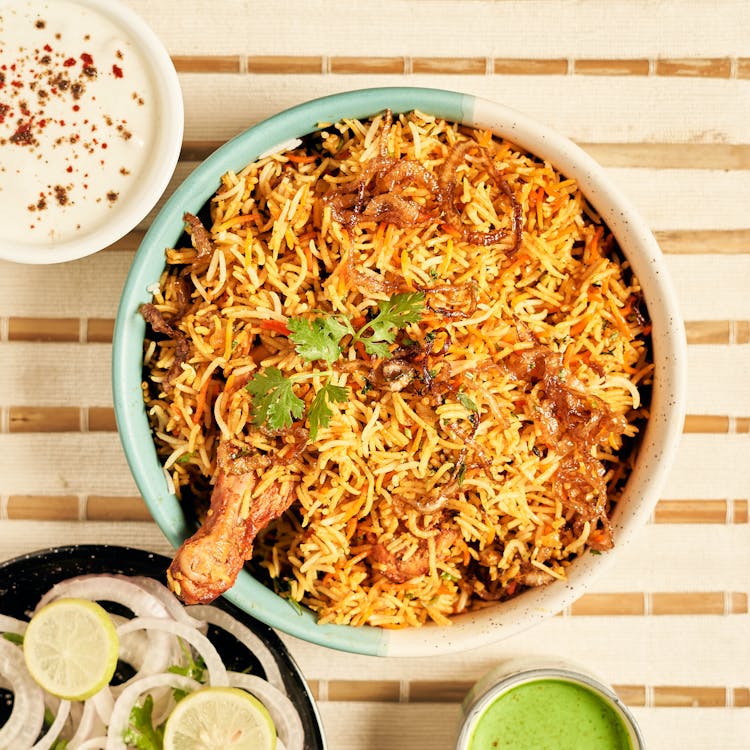
The final touch, the one that makes all the difference, is some simple post-processing. You don’t need to master complex software like Photoshop; your phone’s built-in editor or a free app will do the trick. Slightly increasing the brightness, contrast, and saturation can make the colors of the food more vibrant and appealing. But remember not to over-edit. Preserving the natural texture of the food is crucial—you don’t want it to end up looking ‘plastic’.
So, that’s my two cents! I hope these tips help. Food is meant to be savored, but it’s also worth capturing its beauty on camera. Feel free to share your own amazing food shots and secret tips in the replies. Let’s all eat, drink, and take better photos together in Spain!
