When I first moved to Spain, the healthcare system was my biggest uncertainty. I’d heard that public healthcare was free but had long waiting times, while private insurance was fast but expensive, which left me completely confused. Recently, due to a minor surgery for a family member, I got to experience both the public and private systems. Today, from an ordinary user’s perspective, I’ll share my view on Spanish healthcare, hoping to offer some reference for newcomers.
Public Healthcare: Is the ‘Free Lunch’ Really Worth It?
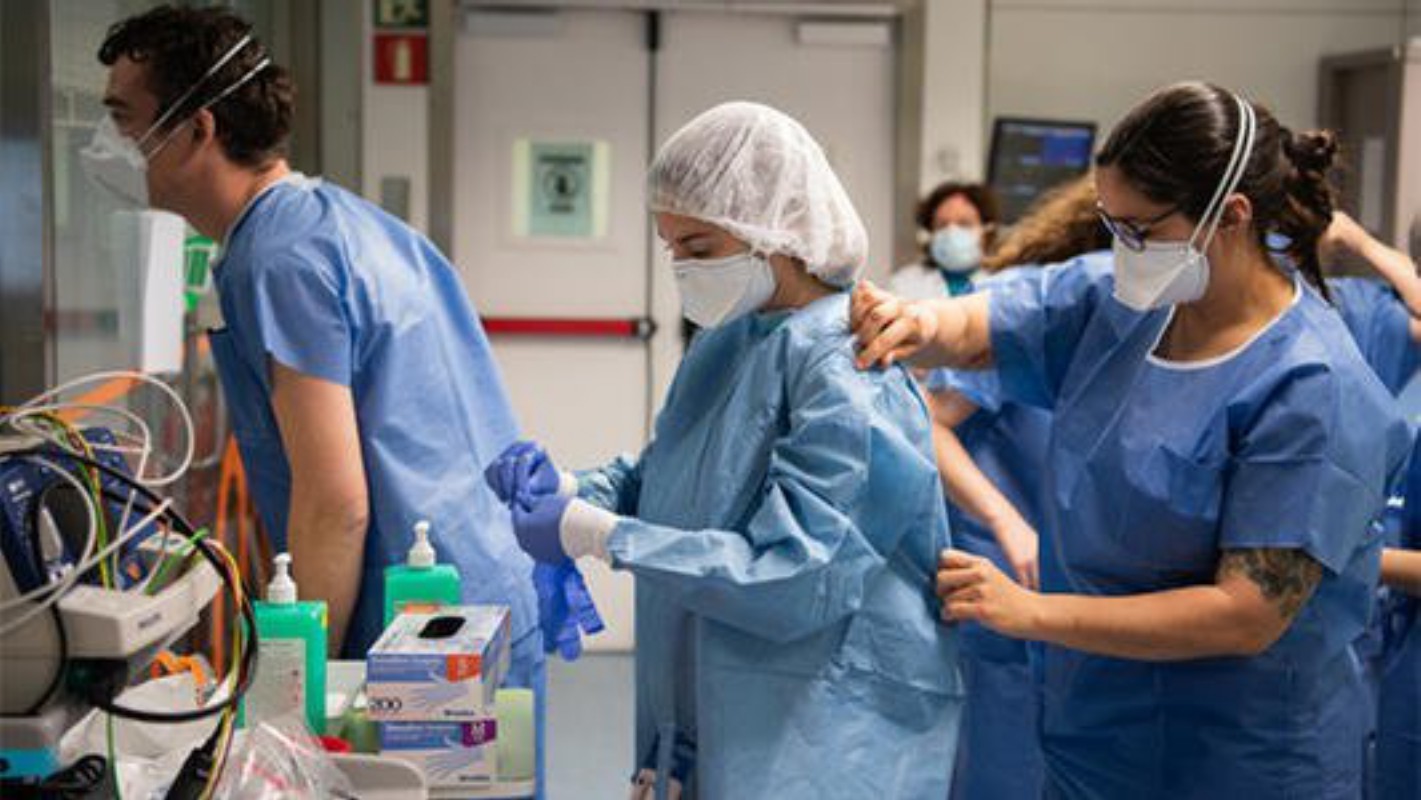
Let’s start with the public healthcare system. As long as you are registered with social security, whether through work or as a dependent, seeing a doctor, getting tests, medication, and even hospitalization for surgery are basically free. This benefit certainly sounds appealing. My family member’s recent surgery within the Spanish healthcare system was done in a public hospital, and we didn’t pay a single cent from start to finish. The doctors’ professionalism was top-notch—very thorough and responsible—and the equipment was also very advanced. However, there’s no such thing as a perfect free lunch, and the biggest problem with public healthcare is—the wait
!
Getting a referral from a family doctor to a specialist can easily mean waiting for several months. If it’s not an emergency, waiting more than half a year for tests like an ultrasound or an MRI is also quite normal. Therefore, if you have a chronic or non-urgent condition, a public hospital is a very economical choice, but you must be mentally prepared to wait.
Private Healthcare: Paying for Time and Experience?
Now let’s talk about private healthcare. After getting private insurance, the experience of seeing a doctor is on a whole different level. You can usually get an appointment with a specialist within a week, and various tests can be scheduled on demand with almost no waiting. The hospital environment and service are comparable to a hotel, doctors and nurses are friendly, and there are even dedicated international departments offering translation services, which is very helpful for those who don’t speak Spanish well. Of course, all of this is built on the power of money. A comprehensive private insurance plan can cost anywhere from a few hundred to over a thousand euros a year, depending on your age and coverage. In my experience with the Spanish healthcare system
, I first used private insurance to get all the tests done, which quickly identified the issue. Then, I took the diagnostic report to a public hospital to get in line for the surgery, which perfectly combined the advantages of both public and private systems.
Public vs. Private: A Quick Comparison
To make it clearer for everyone, I’ve made a simple comparison table:
| Aspect | Public Healthcare | Private Healthcare |
|---|
| Cost | Basically free | Requires private insurance or self-pay |
| Waiting Time | Long | Short |
| Service Experience | Standard | Excellent |
| Doctor’s Quality | Generally very high | Generally very high |
| Suitable For | Chronic conditions, limited budget | Acute conditions, seeking efficiency and experience |
So, is the quality of healthcare in Spain good? My answer is a resounding yes. Whether public or private, the top-tier medical resources and the quality of doctors are world-class. The key is how you choose and utilize the system based on your own needs and financial situation. For most ordinary people dealing with [Spanish healthcare], a ‘public-first, private-as-supplement’ approach might be the most cost-effective solution. I’m curious, what have your experiences with the healthcare system been like? Feel free to leave a comment and discuss below!
