For those new to Spain, is the healthcare system a bit confusing? Don’t worry, today we’re breaking it down to help you understand where to go when you’re sick and what the differences are between a Centro de Salud, a Hospital, and Urgencias.
Understanding the Key Locations
First, you need to know the basic types of medical facilities. It’s a bit different from what you might be used to; you don’t just rush to a large hospital for every ailment.
Local Health Center (Centro de Salud)
This is the place you’ll interact with most often, similar to a local clinic or primary care center. After you register and get your health card, you’ll be assigned to a specific Centro de Salud and a family doctor (GP). This is where you go for common illnesses like colds and fevers, prescription refills for chronic conditions, routine check-ups, or to get a referral to see a specialist. Experiences within the system can vary, as you can see in user stories about everything from simple visits to a medical interview. Remember, you always need a Cita Previa (prior appointment) to see your GP or a nurse! You can easily book one through your autonomous community’s health app, which is very convenient.
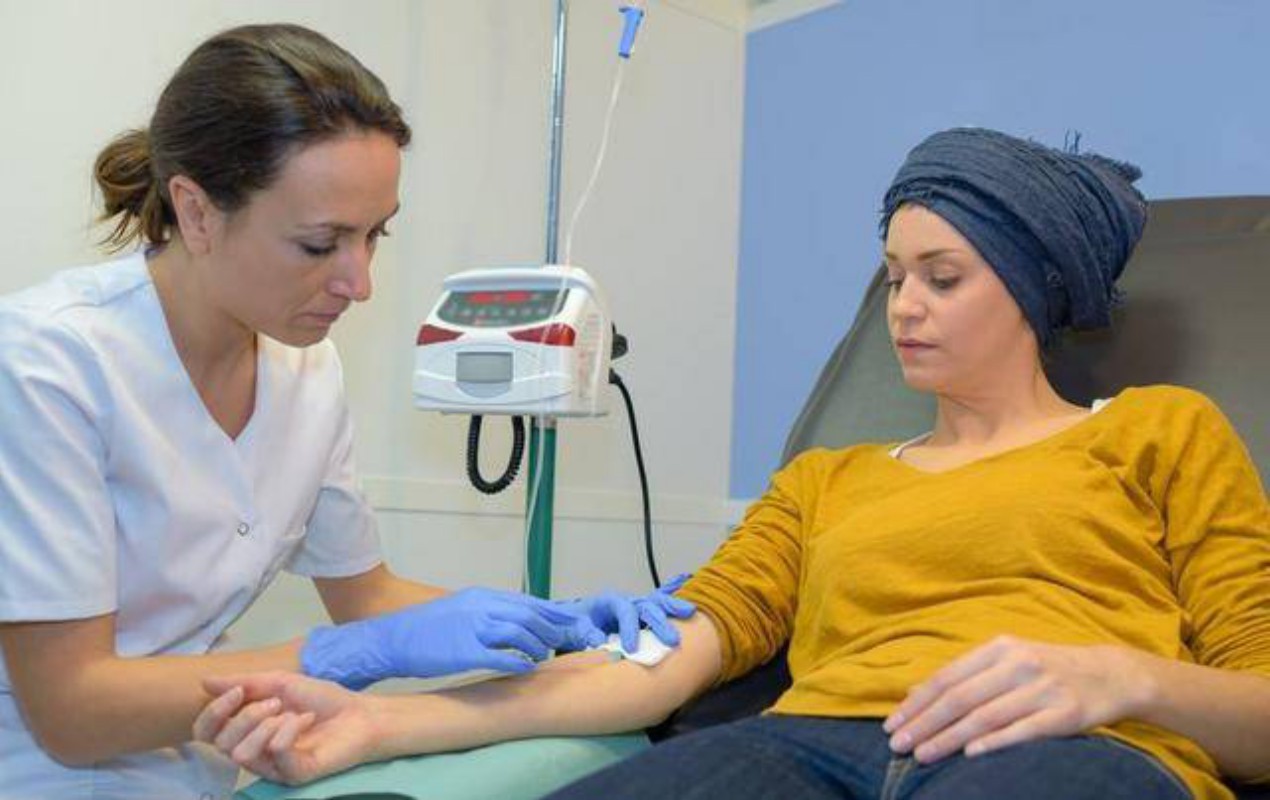
General Hospital (Hospital)
Hospitals are typically for treating more complex and serious illnesses. Want to see a specialist at the hospital directly? That’s nearly impossible. In Spain’s public system, you need a referral from your family doctor to see a specialist at a hospital. And then comes the long wait… sometimes it feels like forever. Of course, for major procedures like surgeries or advanced diagnostic tests within the Spanish healthcare system, the Hospital is where it happens.
Emergency Room (Urgencias)
This is crucial! Urgencias is for life-threatening emergencies
! This includes severe trauma, difficulty breathing, heart attacks, acute allergic reactions, and so on. Please don’t go to the ER for a common cold or just because you want to be seen quickly, as this takes resources away from those who truly need them. There are two types of Urgencias: one is a 24-hour service located in some larger Centros de Salud or dedicated emergency centers for “less urgent” situations; the other is the ER inside a Hospital, which deals with the most critical patients. A triage nurse will assess your condition to determine its urgency, so it’s not a first-come, first-served system.
To summarize, the functions and scenarios for the three are as follows:
| Medical Facility | Main Function | When to Go |
|---|
| Centro de Salud | Primary care, prescriptions, referrals | Common colds/fevers, chronic disease management, routine check-ups |
| Hospital | Specialist consultations, surgery, hospitalization | Complex conditions requiring a specialist, major surgeries |
| Urgencias | Emergency care | Serious accidents, heart attack, difficulty breathing, and other critical situations |
Minor issues to the health center, serious conditions need a referral, and life-threatening emergencies go to the ER! This is the basic principle. We hope this post helps newcomers to Spain who are still getting familiar with the healthcare system. If you have any experiences or tips to share, feel free to discuss them below!
