When I first moved to Spain, one of my biggest worries was what would happen if I got sick. I’d heard all sorts of things—some good, some warning about endless waiting lists in the public system. After several years and a few trips to hospitals and clinics for myself and my family, I finally have some firsthand experience. Today, I’m starting this thread to share a few aspects of the Spanish healthcare system that I find genuinely impressive. This is all based on my personal experience, and I welcome everyone to join the discussion and add their own perspectives.
Broad Universal Coverage Guarantees Basic Healthcare
First and foremost is Spain’s public healthcare system. As long as you have legal residency and are contributing to social security, you’re essentially entitled to its benefits. The biggest advantage is that consultations, hospital stays, most tests, and even major surgeries cost you almost nothing out of pocket. For instance, a family member of mine had a minor surgery; from admission to discharge, apart from some special care items we bought ourselves, the bill for the Spanish healthcare was literally €0. For an average family, this is a huge safety net, ensuring that a serious illness won’t lead to financial ruin. For everyday aches and pains, booking an appointment with your GP at the local health center (centro de salud) is also very convenient.
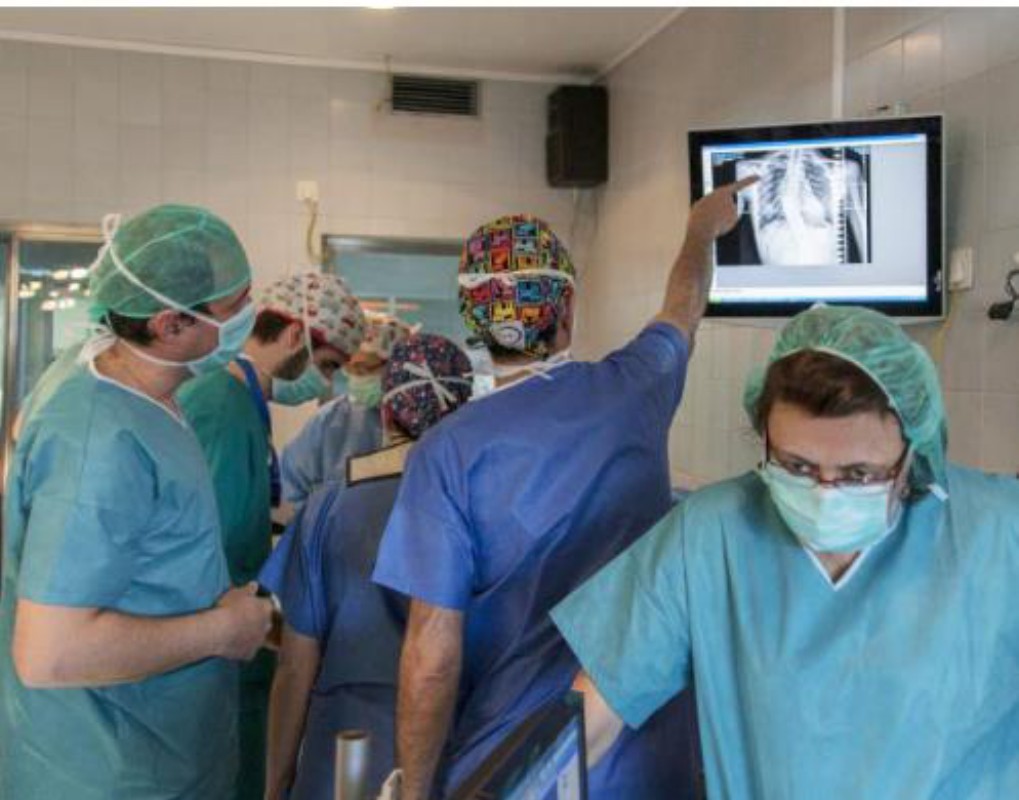
Separation of Medical and Pharmaceutical Services & Transparent Pricing
I think Spain’s ‘pharmaceutical separation’ model is excellent. Doctors only diagnose and write prescriptions; patients then take the prescription to any pharmacy to buy the medicine. The benefit here is that doctors have no incentive to over-prescribe for profit, and drug prices are relatively transparent. Furthermore, with a social security card, most prescription medications are subsidized by the government, meaning you only pay a small portion. The co-payment is even lower for retirees, with some medications being completely free. The pharmacists at my local pharmacy are very professional. Sometimes, for minor ailments, I can get great advice from them, and they’ll help determine if I need to see a doctor or if an over-the-counter remedy will suffice.
Responsive Emergency System
While people often complain about the long waiting times for specialist appointments and surgeries in the public system, my personal experience with emergency services has been quite positive. One time, my child had a high fever in the middle of the night. We drove straight to the public hospital’s emergency room. From triage and examination to the doctor providing a treatment plan, the entire process was orderly and efficient, despite being crowded. They triage patients based on the severity of their condition, ensuring that truly critical cases are treated first. This is very reassuring, knowing that in an emergency, your life is protected.
Public vs. Private: A Simple Comparison
To give you a clearer picture, I’ve made a simple table comparing some features of public and private healthcare:
| Feature | Public Healthcare | Private Healthcare |
|---|
| Cost | Free (covered by social security) | Requires insurance, with monthly fees from tens to hundreds of euros |
| Appointment Speed | GP appointments are relatively fast; long waits for specialists and surgeries | Fast appointments, direct access to specialists |
| Coverage | Comprehensive, including major and chronic illnesses | Depends on the insurance plan; some treatments may be excluded |
| Patient Experience | Long waiting times, facilities may be older | Pleasant environment, attentive service, short waiting times |
Spain’s healthcare system has its pros and cons. The public system provides a solid ‘safety net,’ while private insurance offers efficiency and a more comfortable experience. Many of my local friends use a combination of both. They use the public system for minor issues or non-urgent specialist visits, and turn to their private insurance when they need a quick diagnosis or a better patient experience. I hope my small contribution has been helpful to you!
