Lately, I’ve had some free time and came across several reports ranking the world’s healthcare systems. I was a bit surprised, yet not entirely, to see Spain consistently near the top. After all, having lived here for a few years, I’ve had some firsthand experience with the medical system. Today, I’d like to share some of the data I found and get the ball rolling to hear your thoughts too.
Spain’s Global Healthcare Rankings
When it comes to rankings, the most famous is probably the one from the World Health Organization. Although that report is a bit dated, it placed Spain at 7th globally, which is a remarkable achievement. In recent years, institutions like Bloomberg and CEOWORLD magazine have also released similar lists, and Spain has consistently secured a spot in the top ten, sometimes even breaking into the top three! For instance, in the 2023 CEOWORLD list, Spain’s Health Care Index was among the best, receiving high scores for its medical infrastructure, professional staff competence, cost, drug availability, and government readiness.
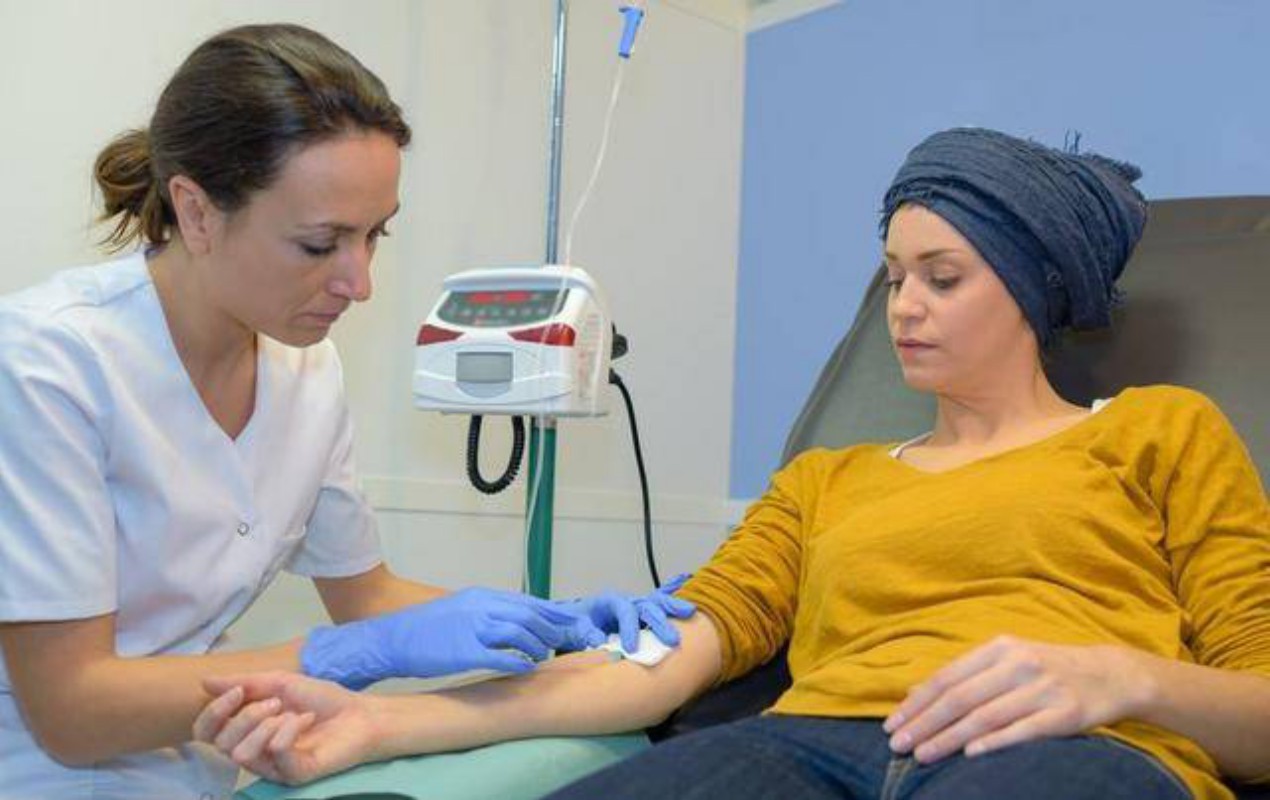
Where Does It Excel?
So why does Spain rank so high? I’ve summed up a few reasons based on my personal take:
- Universal Coverage: This is the cornerstone. As long as you have legal residency and contribute to social security, you’re entitled to public healthcare services. Doctor visits, hospital stays, and surgeries are mostly free, with patients only paying a small portion of their prescription costs. For the average family, this is a huge safety net, eliminating the fear of being unable to afford medical treatment.
- Family Doctor System: Every neighborhood has its own health center (centro de salud), and everyone is assigned a family doctor (médico de cabecera). For minor illnesses, you go directly to your family doctor, which is convenient and quick. If necessary, they will refer you to a specialist. This model is highly efficient and helps prevent the waste of medical resources.
- Separation of Prescribing and Dispensing: Doctors are only responsible for writing prescriptions; patients take them to a pharmacy to buy the medication. This systemically prevents doctors from over-prescribing to earn commissions, which feels more trustworthy.
But there are two sides to every coin. As good as Spain’s public healthcare is, it’s not perfect. The most common complaint is that it’s “slow.” Waiting several months for a specialist appointment or a non-urgent surgery is the norm. That’s why many people also opt for private health insurance as a supplement. This allows them to use private hospitals, where appointments and tests are much faster. Here’s a simple comparison I’ve put together:
| Feature | Public Healthcare | Private Healthcare |
|---|
| Cost | Mostly free | Requires insurance, with monthly fees from tens to over a hundred euros |
| Pros | Broad coverage, protection for major illnesses | Fast service, easy appointments, better facilities |
| Cons | Long waiting times, lower efficiency | Limited coverage, some treatments not included |
Spain’s healthcare system certainly has its unique strengths, especially its principles of fairness and universal coverage, which have earned it high praise internationally. For those of us living here, having the safety net of free public healthcare, complemented by the efficiency of private insurance as seen in the discussion on Spain’s healthcare ranking, strikes a great balance. What have your experiences been with seeing a doctor in Spain? Did you find it quick and easy, or were you left waiting forever? Feel free to share your thoughts in the comments below!
