When I first came to Spain, I was most envious of my friends’ Chalets with their own yards. Sunshine, lawns, barbecue grills… it seemed like the ideal life. Later, when I started looking for one myself and eventually moved in, I discovered there’s a lot more to it. Today, I want to share my perspective on Spanish chalets, to give a little reality check to those with the same courtyard dream, and also to offer some encouragement.
The Joys of Owning a Chalet
Honestly, the happiness of living in a Chalet is very real. The biggest benefits are space and freedom. Kids and pets can run around freely in the yard, and you can invite friends over for a weekend Barbacoa without worrying about disturbing the neighbors. Soaking in your own pool in the summer or warming up by the fireplace in winter are comforts that are hard to find when living in a Piso (apartment). The privacy is also excellent; there are no footsteps from upstairs or downstairs, and it feels like the whole world is quiet.
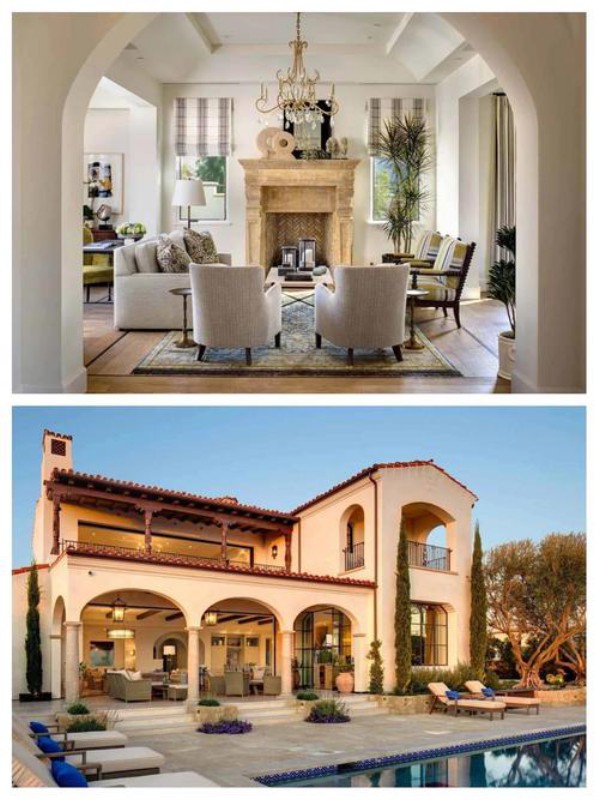
What Spaniards call a Chalet isn’t always the large, detached mansion we might imagine. Based on my house-hunting experience, they mainly fall into these categories:
- Independiente: A detached villa, not connected to any other house on any side. It offers the best privacy and, of course, comes with the highest price tag.
- Pareado: A semi-detached villa, sharing one wall with a neighbor. The yards are usually separate. It’s a compromise between a detached and a terraced house.
- Adosado: A terraced or townhouse, connected to neighbors on both sides. They often share communal areas like a pool and garden.
The Sweet Sorrows: Maintenance and Costs
Behind the joy lies a host of “sweet sorrows.” I thought having a yard meant I’d never have to go out, but in reality, taking care of the yard is a major project in itself. Mowing, watering, pruning branches—you can’t skip any of it. If your home, like this [Spanish Impression Villa], also has a pool, then cleaning and water maintenance are skilled tasks. On top of that, there are various potential expenses, such as the annual IBI (property tax), and if the house is in an Urbanización (private community), there will be community fees. Security is another major consideration; installing an alarm system is pretty much standard.
To give you a more direct idea, I’ve put together a simple table of maintenance costs and frequencies for reference:
| Maintenance Item | Approx. Frequency | Notes |
|---|
| Garden Maintenance | Monthly/Quarterly | DIY or hire a Jardinero; costs vary greatly |
| Pool Cleaning | Weekly/Monthly | More frequent in summer; maintenance differs for saltwater/chlorine pools |
| IBI | Annually | Varies by location and property value, from hundreds to thousands of euros |
| Comunidad | Monthly/Quarterly | Only for villas within an Urbanización, used for maintaining common areas |
| Exterior Painting/Inspection | Every 5-10 years | Maintains the house’s condition and prevents leaks; a significant expense |
Living in a Chalet is a lifestyle choice. It brings space and freedom, which you can learn more about in discussions on Spanish villa prices, but it also comes with corresponding responsibilities and expenses, a topic that sometimes even comes up when people see [Spanish villas in Changji]. It’s not for everyone, but before making a decision, you must be clear about what you want and whether you’re willing to pay the price for this “dream.” What are your experiences living in a Chalet? Do you have any pitfalls to avoid or money-saving tips to share? Feel free to leave a comment and discuss below!
