I recently bought a second-hand chalet in the suburbs of Barcelona, and I couldn’t be more excited. But the thought of the massive renovation project ahead is instantly overwhelming. I had very little experience with renovations back in my home country, let alone in Spain. After half a year of research, which included learning about everything from building permits to the specifics of waterfront villas in Spain, and dealing with all sorts of people, I’ve finally started to get the hang of it. I’m starting this thread to share my findings and invite anyone with experience to join the discussion.
Key First Step: Permits and Your Architect
This is absolutely crucial! In Spain, any modification that alters the structure of the house, such as knocking down a load-bearing wall, creating a new window, or building an extension, is considered an Obra Mayor (Major Work). This requires plans from a licensed architect, which must then be submitted to the city hall (Ayuntamiento) to apply for a permit. The process can take several months, and you should never skip it to save time. Getting reported by a neighbor or facing issues when you sell the house in the future would be a huge headache. If you’re just doing interior work like repainting walls or changing the flooring, which doesn’t involve the structure, it’s considered an Obra Menor (Minor Work). The application process for this is much simpler, but it’s still advisable to check with the city hall first.
Important: The architect and the construction team are separate. First, find an Arquitecto (architect) to help you with planning, drawing up blueprints, and applying for permits. They can also supervise the construction quality. Although this means an extra fee for design and management, it’s absolutely worth the cost.
How to Calculate the Budget?
The budget is always the biggest concern. Labor costs in Spain are very high, often accounting for half or even more of the total expense. Depending on the region and the quality of the renovation, a full-house remodel can range from €600 to over €1,500 per square meter. Here is a very rough budget allocation for your reference:
| Item | Budget Allocation |
|---|
| Permits & Design Fees | 5% - 15% |
| Demolition & Debris Removal | 5% - 10% |
| Plumbing, Electrical & HVAC | 15% - 20% |
| Walls, Floors & Ceilings | 20% - 25% |
| Kitchen & Bathroom Fixtures | 15% - 20% |
| Carpentry | 10% - 15% |
Uncertainty Fund Contingency Fund | 10% |
Finding the Right Construction Team is Half the Battle
When looking for a construction team, be sure to do your research and ask a lot of questions. The best way is through recommendations from friends or your architect. When you receive a quote, review every item carefully to prevent unexpected additional charges later. Before signing a contract, it’s best to ask to see one of their current or completed work sites—seeing is believing. The contract must clearly specify the project timeline, payment schedule, and the brands and specifications of materials to be used.
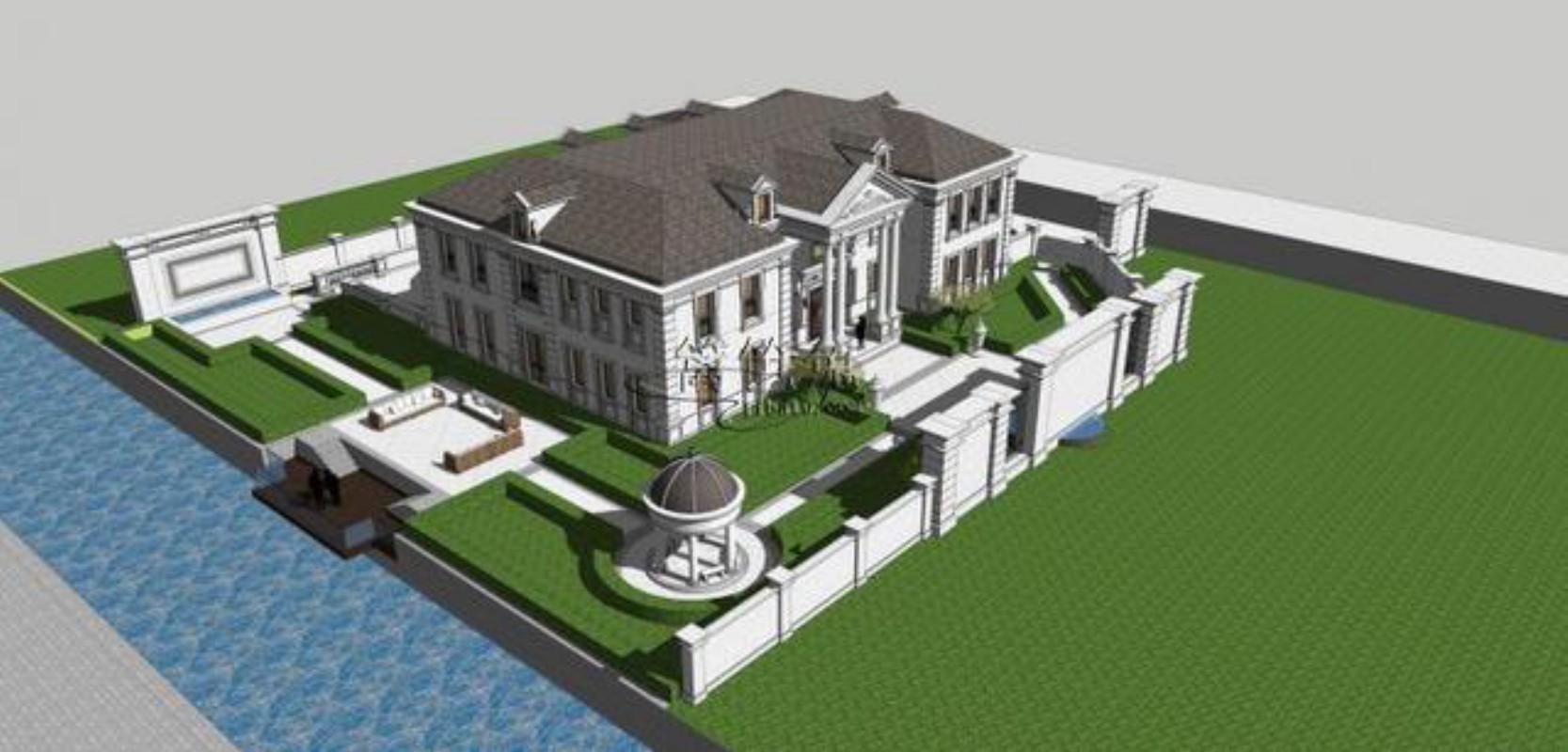
Style and Material Selection
Since you’re in Spain, you might lean towards Mediterranean or rustic styles. You can make great use of natural materials like terracotta tiles, wooden beams, and patterned tiles (azulejos), which add a lot of character. However, keep in mind that these natural materials can have higher maintenance costs, so you’ll need to weigh the pros and cons. Also, Spain gets a lot of intense sunlight, so choosing the right windows is important. Double-glazed windows paired with good blackout blinds are standard, effectively providing heat and sound insulation.
That’s all I can think of for now. The whole process is about constant learning and communication. I hope this information is helpful for anyone preparing to renovate. Does anyone have recommendations for good construction companies? Or feel free to share any pitfalls you’ve encountered so others can avoid the same mistakes!
