For friends who have just arrived in Spain, one of the biggest headaches is figuring out what to do when you get sick. Being in a new country, perhaps not yet fluent in the language, it’s common to get confused by the names of various medical institutions. Today, as someone who’s been through it, I’ll talk about the Spanish healthcare system to hopefully help you out.
Public vs. Private Healthcare
First, you need to understand the two main branches of the Spanish healthcare system: public and private. They are worlds apart.
Public Healthcare: As long as you’re registered with social security, it’s mostly free. Its core is the local health center, known as the Centro de Salud. You must first register at the Centro de Salud corresponding to your home address, and they will assign you a family doctor (GP). For any minor ailments like a headache or a cold, you’ll see this doctor. If they deem it necessary, they will refer you to a specialist or a larger hospital. The advantage is that it’s inexpensive. The disadvantage… is that it’s slow. You might wait a few days for an appointment with your GP, and a referral to a specialist could take several months, or even over half a year. It can drive impatient people crazy.
Private Healthcare: This is where you pay for service. You typically need private health insurance from companies like Adeslas, Sanitas, or Asisa. The advantage is speed! It’s very fast! You can directly book an appointment with any specialist you want to see, without a referral from a GP. The hospital environment and service are usually better, almost like a hotel. The downside, of course, is the cost; the annual insurance premium can be a significant expense.
How to Choose? A Guide to the Process
Now that you understand the differences, how do you navigate it? I’ve created a simple table to help you understand:
| Situation | Recommended Place | Brief Process |
|---|
| Common cold, skin allergies, routine check-ups | Centro de Salud | Make an appointment with your family doctor for a prescription or basic treatment plan. |
| Sudden emergency | Public Hospital Emergency Room (Urgencias) | Go directly to the emergency room of a public hospital; you will be triaged and seen based on the severity of your condition. |
| Need to see a specialist quickly | Private Hospital/Clinic | Use your private insurance card to book an appointment directly with the doctor you want to see. |
| Just need to get medicine | Pharmacy (Farmacia) | Many over-the-counter medications can be purchased directly at a pharmacy, and pharmacists can also offer advice. |
If you’re generally healthy and only get sick occasionally, the public system is perfectly adequate. However, if you value efficiency or have a chronic condition that requires regular specialist visits, getting private insurance will save you a lot of hassle. Personally, I use a combination of both. I go to the Centro de Salud for minor issues and use my private insurance for emergencies or when I need a quick diagnosis. I find this approach to be the most reliable.
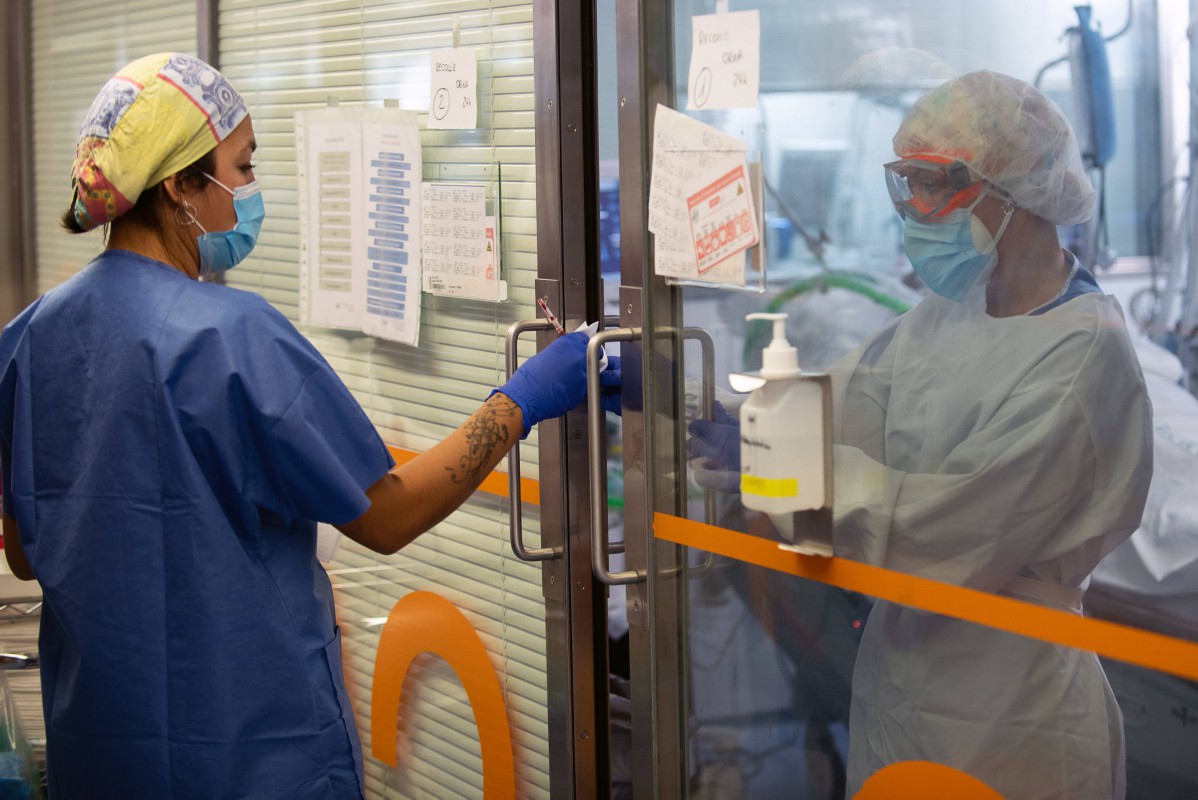
One final reminder: Spain’s healthcare quality is ranked among the best in the world, so there’s no need to worry too much. The key is to understand the system in advance and have your public health card or insurance card ready. That way, you won’t be caught off guard if something happens. I hope everyone stays healthy in Spain. It would be best if you never have to use this article! Haha.
