Falling ill is probably the biggest worry when you’ve just moved to Spain. With the language barrier and unfamiliarity with the system, even a simple headache can feel overwhelming because you don’t know where to go. I’ve recently looked into the Spanish healthcare system and found it to be quite straightforward. I’m sharing what I’ve learned, especially for fellow newcomers, so you won’t be caught off guard if you need medical care.
The Public Healthcare System
For most people with legal residency in Spain who contribute to social security (seguridad social), the public healthcare system will be their primary point of contact. This system is hierarchical; you don’t just rush to a major hospital for every ailment.
1. Community Health Center (Centro de Salud)
This is your first stop for medical care. Every neighborhood has a designated Centro de Salud. After receiving your social security card, you need to register at the center corresponding to your home address, and they will assign you a family doctor (médico de cabecera). From then on, you’ll generally book an appointment with this doctor first for any health issues. For common minor illnesses like colds, fevers, skin allergies, or routine check-ups, your family doctor can handle it. If they determine your condition is more complex, they will issue a referral to a specialist or a hospital.
2. Specialist Outpatient Centers (Centro de Especialidades)
Once you have a referral from your family doctor, you can book an appointment with a specialist, such as a cardiologist, gastroenterologist, or orthopedist. These specialist consultations are usually not located in the community health center; they might be in a separate facility or within a hospital’s outpatient department. Be prepared for potentially long waiting times for public specialist appointments.
3. Hospitals (Hospital)
Hospitals primarily handle emergencies (urgencias) and serious conditions requiring hospitalization. If you face an emergency, like a car accident or acute appendicitis, you can go directly to a public hospital’s emergency department. Otherwise, you’ll be admitted for treatment and surgery after receiving an admission order from your family doctor or a specialist. The standard of public hospitals in Spain is very high, with many being world-class. Plus, as long as you have social security coverage, everything from tests and surgery to your hospital stay is free of charge.
The Private Healthcare System
Besides the public Spanish healthcare system, Spain also has a well-developed private healthcare sector. Many people opt to buy private health insurance to access these services. The biggest advantage of private healthcare is its speed! There’s virtually no waiting time to see a specialist. You can choose a doctor directly from your insurance provider’s network, skipping the family doctor referral step entirely. The facilities are often more comfortable, and the service feels more personalized, almost like a hotel. Of course, all this is contingent on having insurance; paying out-of-pocket can be very expensive.
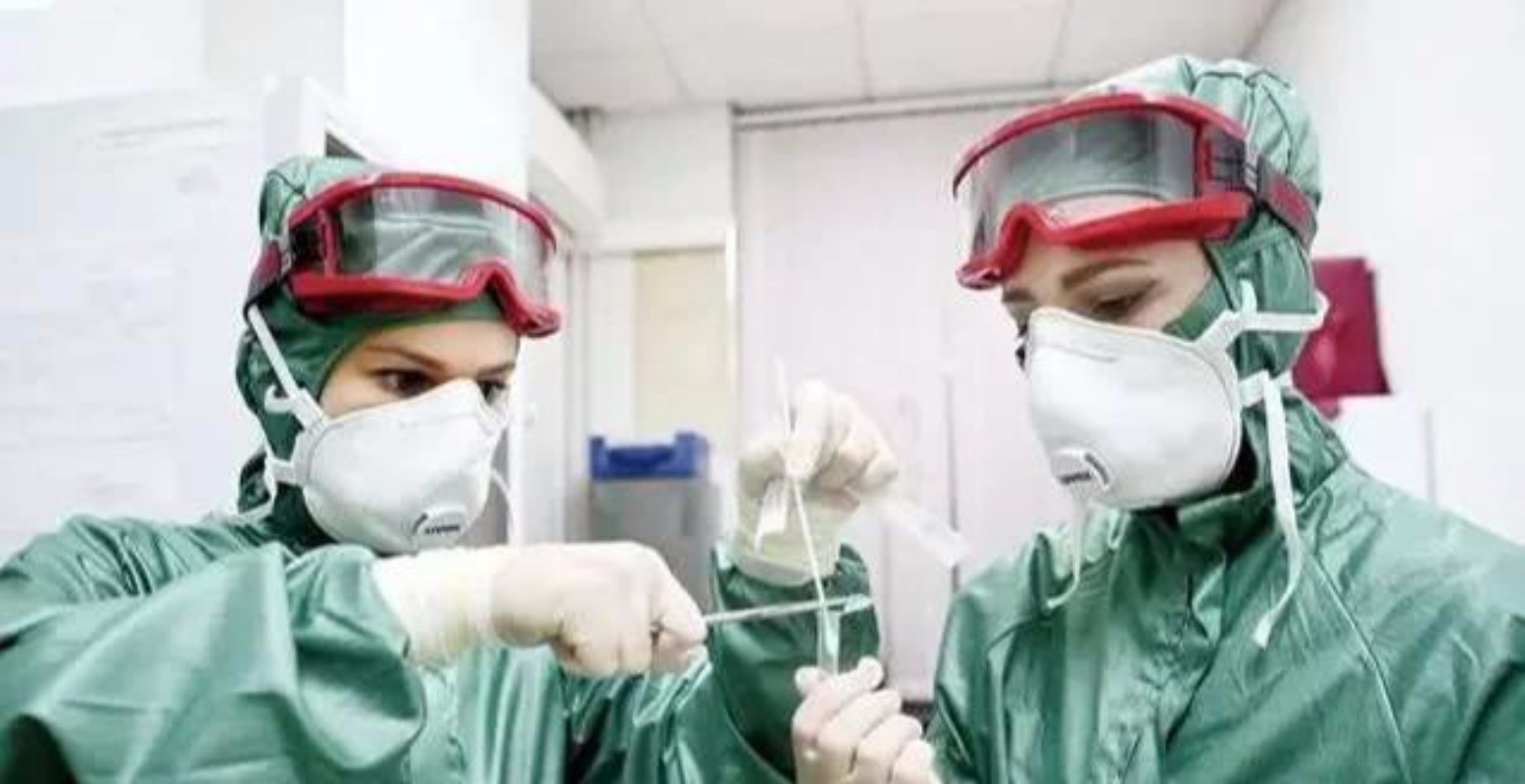
Both public and private systems have their pros and cons. I’ve made a simple comparison table to make it clearer:
| Feature | Public Healthcare | Private Healthcare |
|---|
| Cost | Mostly free with a social security card | Requires private insurance or out-of-pocket payment |
| Convenience | Requires GP referral, long waiting times | Direct specialist access, fast service |
| Coverage | Comprehensive, covers all illnesses and emergencies | Depends on the insurance plan, some treatments may not be included |
| Service Experience | Crowded, standard facilities, standardized service | Fewer people, better environment, more personalized service |
My personal take is that for routine health maintenance and minor issues, the public family doctor is perfectly adequate. However, if you value efficiency or have specific specialist needs, getting supplementary private insurance can provide significant peace of mind while living in Spain. I hope this information is helpful to everyone!
