Navigating the hospital system was one of my biggest challenges when I first moved to Spain. I recently had to get a blood test for my annual check-up and experienced the process at both public and private hospitals, reminding me of the significant differences. I’ve compiled my experiences here to help others who might need it and hopefully make your journey a bit smoother.
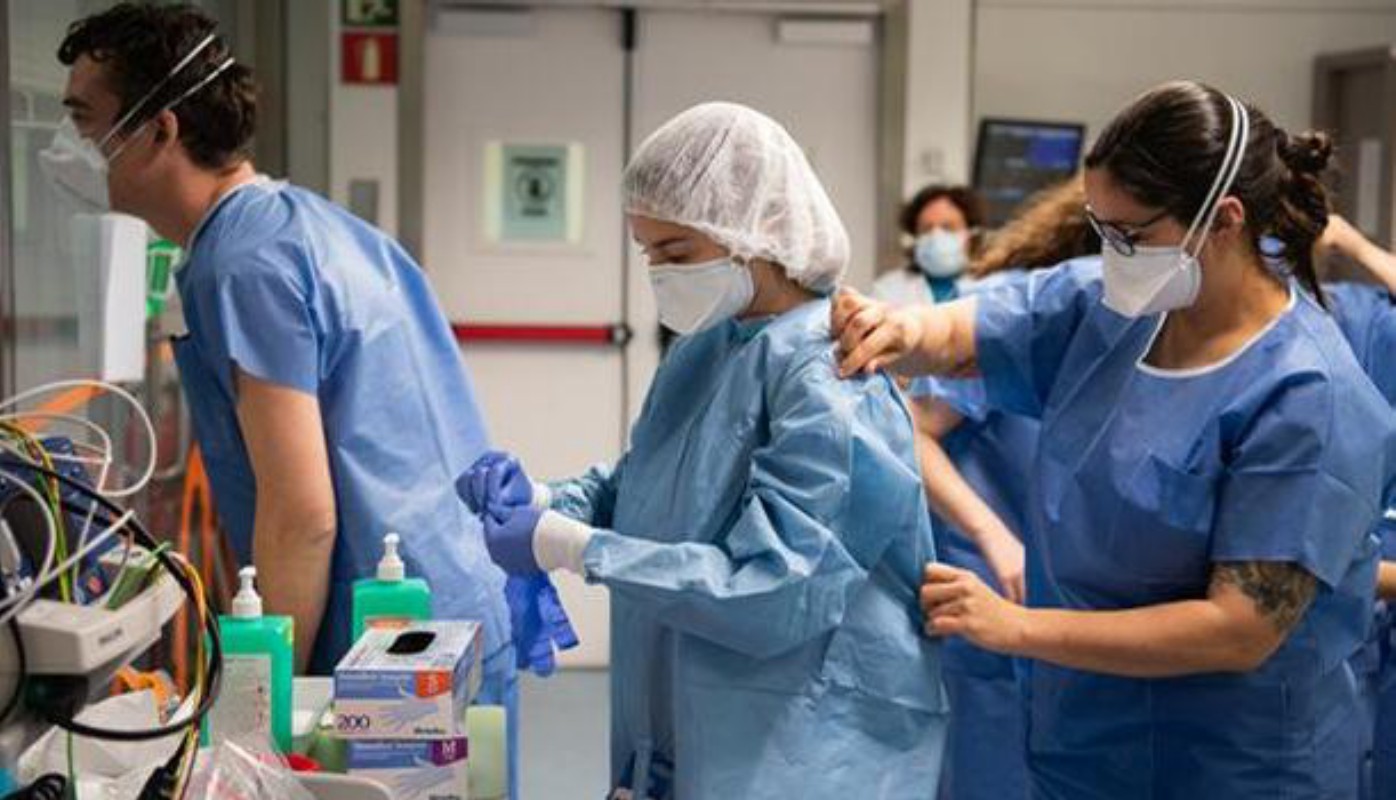
Public Hospitals
Most people covered by social security (seguridad social) will use the public healthcare system. The process typically looks like this:
- Get the Request Form: First, you need to book an appointment (Cita) with your family doctor (médico de cabecera). Explain the tests you need, and the doctor will give you a request form for the blood test.
- Schedule the Blood Test: Once you have the form, and this is the crucial part, you can’t just walk into the hospital. You must schedule a separate appointment specifically for the blood test. You can do this at the reception of your assigned local health center (centro de salud), or by phone or via the health service app. Depending on the region and time of year, the wait for this appointment can range from a few days to several weeks, which is quite normal.
- On the Day of the Test: Arrive at the designated location at your scheduled time with the request form and your health card (tarjeta sanitaria). Blood tests are typically scheduled for the early morning, often between 7:30 AM and 9:30 AM, as many require you to be fasting. Expect it to be very busy and be prepared to wait in line. My last appointment was for 8:00 AM, but it was nearly 9:00 AM before my turn came.
Private Hospitals
If you have private health insurance or decide to pay out-of-pocket, the experience at a private hospital is completely different. It’s a significant step up in terms of convenience.
The process is much simpler. With the doctor’s request form, you can go directly to any hospital or laboratory affiliated with your insurance provider. For most private facilities, blood test services are walk-in, meaning no appointment is necessary. Just show up during their operating hours, which typically cover the morning and early afternoon. There are hardly any crowds and usually no queues. The whole process, from arrival to completion, can take as little as 10-15 minutes, much faster than getting follow-up appointments in Spain. It’s a classic example of trading money for time, and a real lifesaver if you’re in a hurry.
| Item | Public Hospital | Private Hospital |
|---|
| Appointment Method | Must get a request from a GP, then book a separate appointment for the blood test. | Mostly walk-in, no appointment needed. |
| Waiting Time | Several days to weeks from booking to the actual test. | Minimal to no waiting, available on arrival. |
| Test Hours | Usually restricted to early mornings. | More flexible, generally available all morning. |
| Cost | Free (covered by social security) | Covered by insurance or self-pay. |
If you’re not in a rush and want to save money, the public system is a perfectly good choice, although it’s a different story for [emergency services in Spain]. However, if speed and efficiency are your priorities and you want to avoid long medical waiting times, then using private insurance is the way to go. Finally, no matter which hospital you choose, remember to fast (no food or drink) from 10 PM the night before and always bring your identification and the doctor’s request form with you! Here’s to good health for everyone—may you never need this information!
