Recently, an elderly relative’s health has taken a sharp downturn. As reluctant as we are, my family and I have to start considering various end-of-life care scenarios. This brings up a very practical question: if it comes to the final stage and we respect the elder’s wish to refuse invasive treatment, such as withdrawing life support, are there costs associated with this process in Spanish hospitals?
I know Spain’s public healthcare system is very comprehensive, but I’m still uncertain about this specific situation. Is everything completely free? For instance, might there be out-of-pocket costs for special staff services, medications, or bed fees? Especially in an ICU, I imagine every single expense can be substantial. I hope someone with experience can share their knowledge to help us, the younger generation, be prepared.
Our family also has private health insurance. In this case, is it better to go through the public system, or would it be more appropriate to contact a private hospital? I assume private hospitals might offer better service and a more comfortable environment, but what about the costs? How do private insurance policies define end-of-life care and similar “passive treatments”? Is there a risk that some costs might be denied because they don’t fall under the category of “active treatment”? It’s all quite overwhelming to think about.
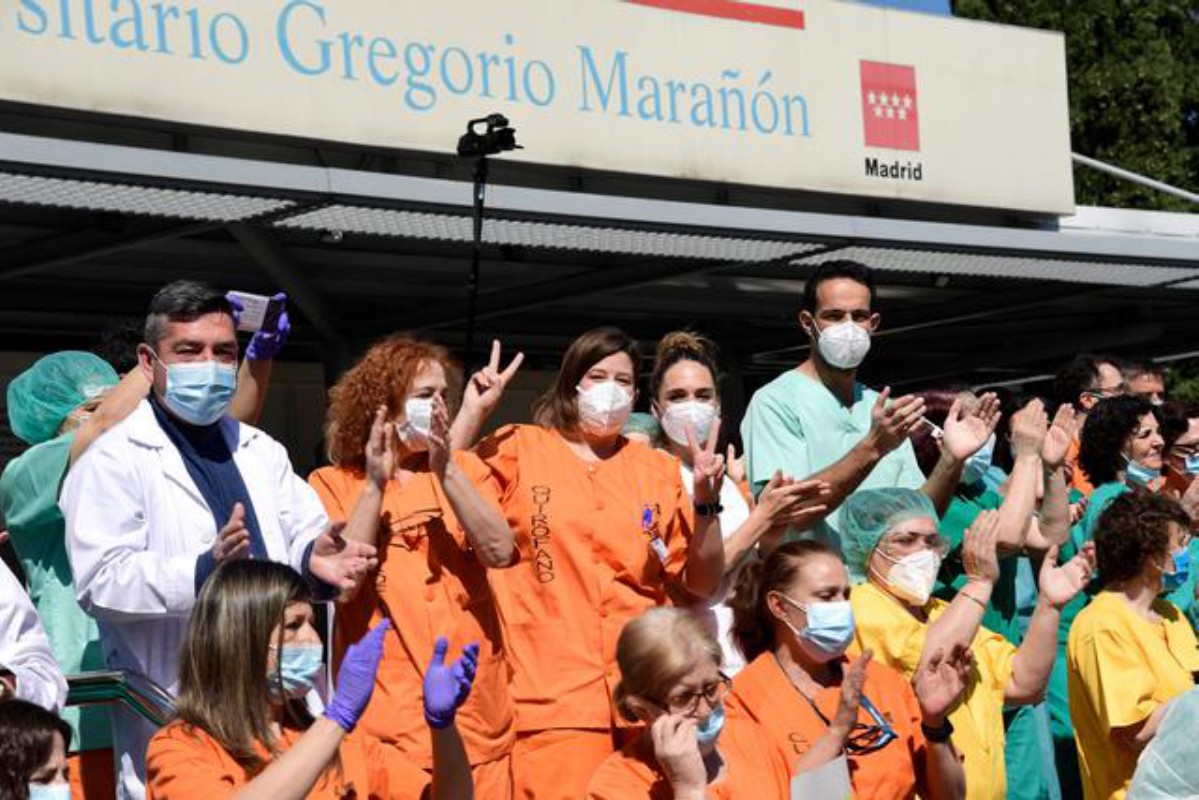
I’ve done some research online and consulted our family doctor, gathering some preliminary information. I’ve compiled it below, including some thoughts on [Spanish medical check-up costs]. I’m not sure if my understanding is correct, so let’s take a look together at these insights on [Spanish hospital costs]:
| Healthcare System | End-of-Life Care Cost Situation | Remarks |
|---|
| Public Healthcare | Usually, it’s mostly free. As long as you have a social security card, costs for palliative care, pain medication, nursing, etc., within a public hospital are covered by the state. | There might be out-of-pocket expenses for a very few special consumables or non-covered drugs, but the core services are free. The key point is that this is considered a “medical decision”, not a “consumer choice” by the family or patient. |
| Private Healthcare | Depends on the specific insurance policy. You need to carefully read the contract’s coverage for end-of-life care and hospitalization. | Private hospitals generally offer a better environment and service, but be cautious about deductibles or coverage limits. It’s crucial to confirm all potential billable items with both the insurance company and the hospital beforehand. |
I also want to touch upon the topic of euthanasia. I know it was legalized in Spain in 2021, but it’s a completely different legal and medical procedure from “refusing treatment,” which is what we are discussing. Refusing treatment means the patient declines medical intervention and is allowed to pass away naturally, whereas euthanasia involves a doctor actively taking measures to end a life. The application processes, conditions, and nature of the two are entirely different. Our family’s current situation only involves the former, although we’re also looking into all kinds of related health expenses, such as general [Spanish medical exam costs]. I hope we don’t confuse the two in this discussion. I’m also looking forward to more practical advice from those who have been through this. Thank you so much!
