When I first came to Spain, I heard that nursing was a well-respected and stable profession. Recently, I’ve seen some students on forums asking about it, so I thought I’d compile the information I have as a reference. I also welcome any seasoned professionals in the field to add to or correct this information!
Breakdown of a Nurse’s Salary in Spain
When talking about salary, you can’t just look at the base pay, as the take-home amount can be quite different. The payslip for a nurse in a public hospital in Spain is usually complex, mainly consisting of these components:
- Base Salary (Sueldo Base): This is part of a nationally unified standard, determined by your job grade.
- Supplements (Complementos): This is the largest part of the salary and the main reason for income disparities between different regions. It includes several items, such as position-specific supplements (complemento de destino), special supplements (complemento específico), and career development supplements (complemento de carrera profesional).
- Extra Payments (Pagas Extraordinarias): These are what we commonly refer to as mid-year and year-end bonuses, paid twice a year.
- Night/Holiday Shift Allowances: If you frequently work night shifts or on public holidays, this part of your income can be quite substantial. Private hospitals place particular emphasis on this.
- Seniority (Trienios): Your salary increases for every three years of service. Although the increment isn’t huge each time, it adds up over the years.
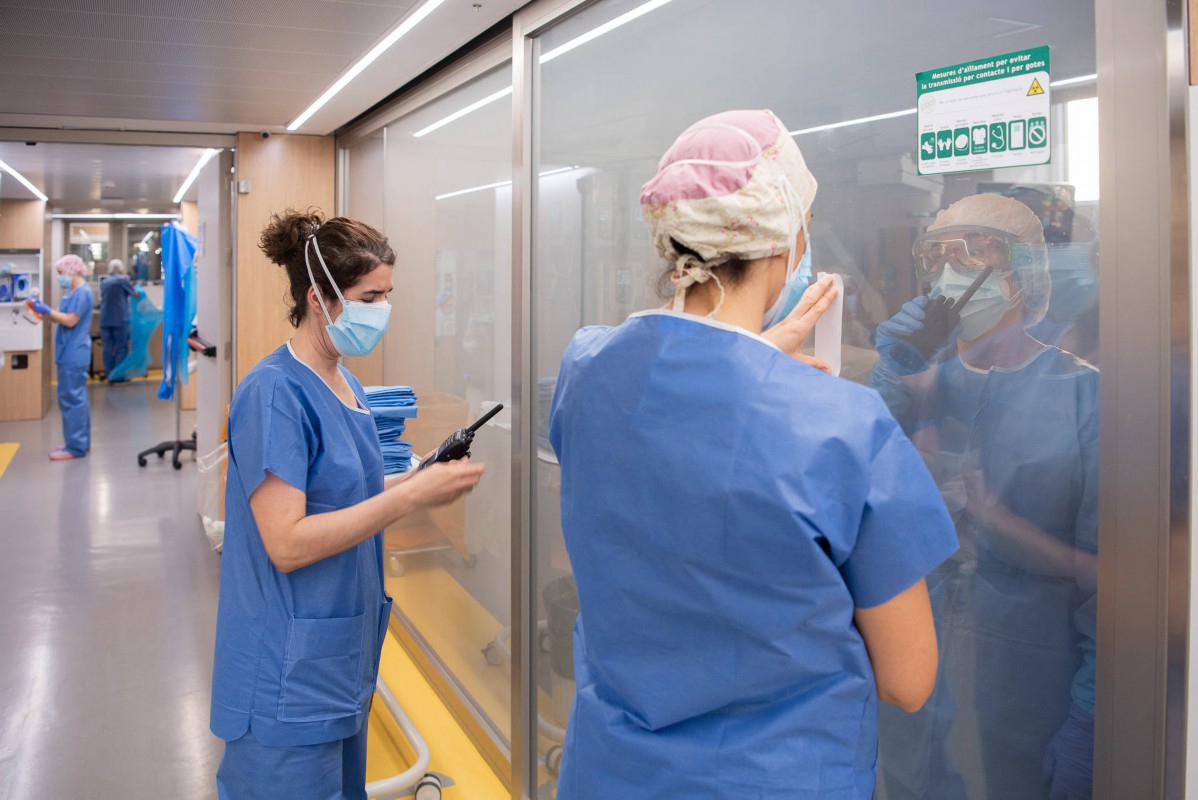
Public vs. Private: Which is Better?
This really is a matter of personal preference. Generally, a newly qualified nurse’s starting salary in a Spanish hospital might not be the highest, but the advantages are that it’s stable, with good benefits and more holidays, and there’s a clear career progression system, making seniority more rewarding over time. The downside is that you need to pass the oposiciones (civil service exams) to secure a permanent position, and the competition is fierce.
As for private hospitals, they offer more flexibility and potentially more room for salary negotiation, especially for experienced specialist nurses. However, the workload can be more intense, and job security is comparatively lower. I’ve heard from friends that some private clinics offer even higher salaries than public hospitals, but the contracts might be temporary.
Salary Level Reference by Autonomous Community
Spain’s autonomous communities have different economic levels, leading to significant variations in nurses’ salaries. Regions like the Basque Country, Navarre, and Catalonia generally have higher salary levels, while places like Andalusia and Extremadura might be lower. The table below shows an approximate range I’ve gathered from public information and friends, but the specific figures change annually.
| Autonomous Community | Approximate Annual Salary Range |
|---|
| País Vasco | €30,000 - €38,000 |
| Cataluña | €28,000 - €35,000 |
| Comunidad de Madrid | €27,000 - €34,000 |
| Andalucía | €25,000 - €31,000 |
Being a nurse in Spain is definitely a decent job. While you won’t get rich, it’s more than enough to support yourself and live a comfortable life. Of course, the job is also very demanding, and especially during flu season or in the current post-pandemic era, the pressure can be immense. I hope this information is helpful, and I look forward to more discussions with experienced professionals!
