With the weather getting colder recently, an elderly family member had a persistent cough that wasn’t improving, along with a slight fever. Worried it might be pneumonia, we rushed them to a public hospital. Looking back, although the Spanish healthcare system can be slow at times, it’s quite reliable when it matters. I’m writing down this experience to serve as a reference for others who might need it.
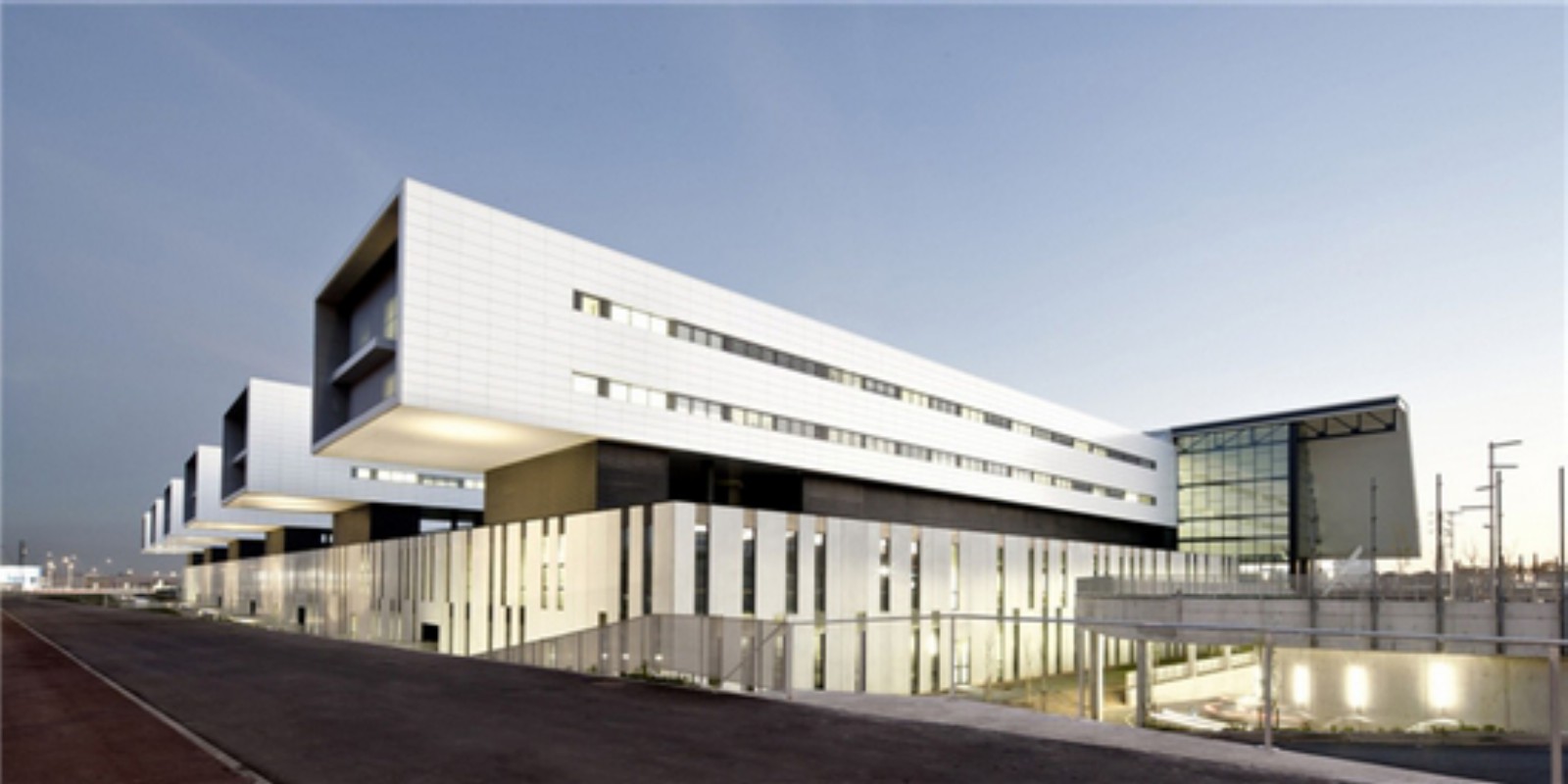
Going to the Emergency Room (Urgencias)
We didn’t have a referral from a family doctor and the situation felt urgent, so we went directly to the emergency room (Urgencias) at the nearest public hospital for seeing a doctor in Spain. Upon arrival, the first step was to register at the front desk with our health card. The staff asked about the symptoms, something like, “¿Qué le pasa?” (What’s wrong?), and we described the cough, fever, and difficulty breathing. After registering, we were given a number and a wristband and told to wait in the designated area to be called for triage.
Triage and Waiting
The triage step was quick. A nurse reconfirmed the symptoms, measured his temperature, blood oxygen levels, and blood pressure. Based on the urgency of the condition, you’re assigned a color code, and then the long wait begins. The waiting time in a Spanish ER is really unpredictable; waiting three to four hours is common when it’s busy. I recommend bringing a power bank and some water, and just be mentally prepared. We were quite lucky that day and were called to see a doctor after about an hour and a half.
Once the doctor saw us, he listened to his lungs very carefully and then asked detailed questions about his medical history and the duration of his symptoms, with a thoroughness you’d expect even in a [scalp examination]. After the initial check, the doctor decided further tests were necessary to confirm if it was pneumonia and wrote an order for a chest X-ray and a blood test. The doctor was very patient throughout the consultation and never rushed us, which made for a very positive experience.
The process for the tests also involved some waiting, but it was much faster than waiting to see the doctor. After the X-ray and blood draw, we went back to the ER waiting area to wait for the results. Below are the main tests performed and some common related terms to help you:
| Test | Spanish | Purpose |
|---|
| Chest X-ray | Radiografía de tórax / Rayos X | To check for signs of infection or inflammation in the lungs |
| Blood analysis | Análisis de sangre | To check indicators like white blood cell count to determine the type of infection |
| Oxygen saturation | Saturación de oxígeno | To monitor the oxygen level in the blood |
The final results came back and confirmed it was bacterial pneumonia. The doctor wrote a prescription for antibiotics and instructed us to take the medication on time, get plenty of rest, and drink lots of water. He also told us to return to the ER immediately if the symptoms worsened. Because we have public health cards, the entire process for these [hospital check-ups in Spain], from registration and consultation to all the tests, was completely free of charge. We had to pay for the prescription medicine at the pharmacy ourselves, but with the health card discount, the cost was very low. Overall, despite the long wait, the entire process was very systematic, the medical staff were professional, and most importantly, it cost us next to nothing, which was very reassuring.
