When I first came to Spain, I always heard long-time expats complaining about the efficiency of Spanish hospitals. They’d say booking a specialist could take half a year, and you could wait an eternity in the emergency room. Recently, my family and I have had a few hospital visits, both public and private, and I want to share my personal experience. I feel the situation isn’t so black and white.
Public Hospitals: Emergency Rooms and Appointments Are Two Different Worlds
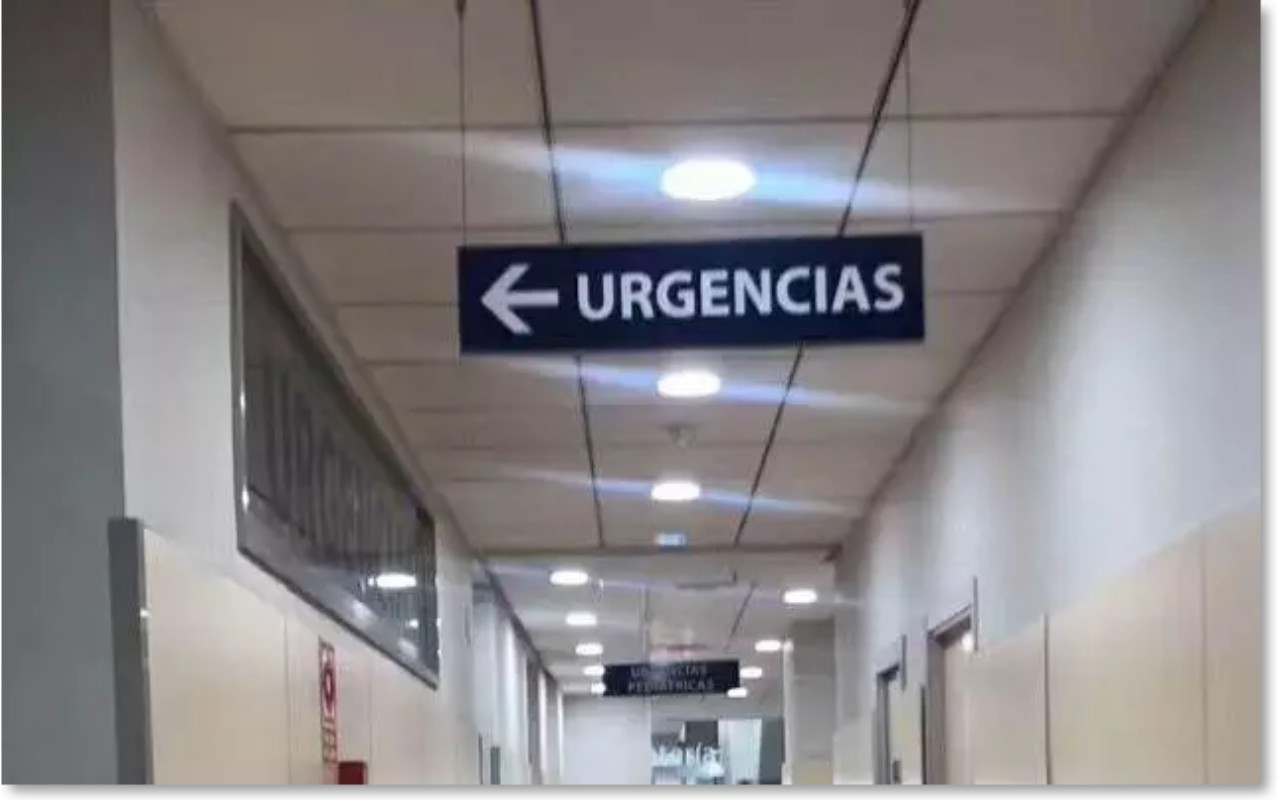
Last month, my child had a high fever in the middle of the night, and we rushed to the emergency room (Urgencias) at our local public hospital. To be honest, it was really crowded, but the triage nurse was very professional. They classify you based on the urgency of your symptoms, for example, using different colored wristbands. Because we had a young child with a high fever, we saw a doctor in about 40 minutes, which was much faster than I expected. However, I did see people with non-urgent issues, like a common cold or a minor sprain, who waited for a very long time—probably three to four hours at least. So, the principle of public ERs is to prioritize emergencies over less urgent cases. For truly life-threatening conditions, their response time is reliable.
However, when it comes to working in a Spanish hospital, booking a specialist appointment in the public system is a whole different story. Our family doctor gave us a referral to see a dermatologist, and when we booked it through the system, the wait time was four months! That level of efficiency is honestly a bit frustrating. A neighbor later told me that if your condition changes, you can go back to your family doctor and ask them to request an expedited appointment, which might be faster, but it’s not guaranteed. So considering factors like salaries in Spanish hospitals, it’s clear that for non-urgent chronic conditions, the public system really tests your patience.
Private Hospitals: A Synonym for Efficiency?
Because the wait for the public dermatologist was too long, we decided to use our private health insurance. I called a hospital affiliated with our insurance company and got an appointment with a specialist for the very next day. From walking in the door to the consultation and tests, the entire process was incredibly smooth and was all done within an hour. The doctors and nurses were also very friendly and answered all our questions. Of course, the trade-off is the hefty monthly insurance premium. Personally, I feel that if your finances allow for it, or if your company provides private health insurance, going private for minor ailments or situations requiring a quick diagnosis can save a huge amount of time and energy.
Based on my experience, I’ve summarized some of the key differences in efficiency between public and private hospitals for your reference:
| Category | Public Hospital | Private Hospital |
|---|
| Emergency Speed | Depends on severity; fast for emergencies | Generally faster than public, shorter queues |
| Specialist Appointment | Long waiting times, typically several months | Very fast, within days or even same-day |
| Routine Exams | Varies; waits for ultrasounds, MRIs, etc., can be weeks to months, a reality tied to [working in a Spanish hospital] | Fast, usually completed within a week |
| Cost | Free (covered by social security) | Requires private insurance or self-pay; higher cost |
Spain’s public healthcare system operates with limited resources to uphold the principle of ‘universal free healthcare,’ which is why it prioritizes urgent and serious illnesses. Private healthcare serves as a supplement, offering more efficient and comfortable services. You can choose based on your own circumstances and needs. For minor aches and pains, if you don’t want to wait, consulting a pharmacist at a local pharmacy is also a great option.
