Having recently moved to Spain, I had a conversation with a neighbor about a heavy but very real topic: if an elderly family member is critically ill and relies on machines to stay alive, what choice do we as a family have? My neighbor shared the story of her grandmother from a few years ago, whose family ultimately decided to ‘pull the plug,’ allowing her to pass away peacefully. This moved me deeply, and I wanted to discuss the perspectives and regulations on this issue in Spain with everyone.
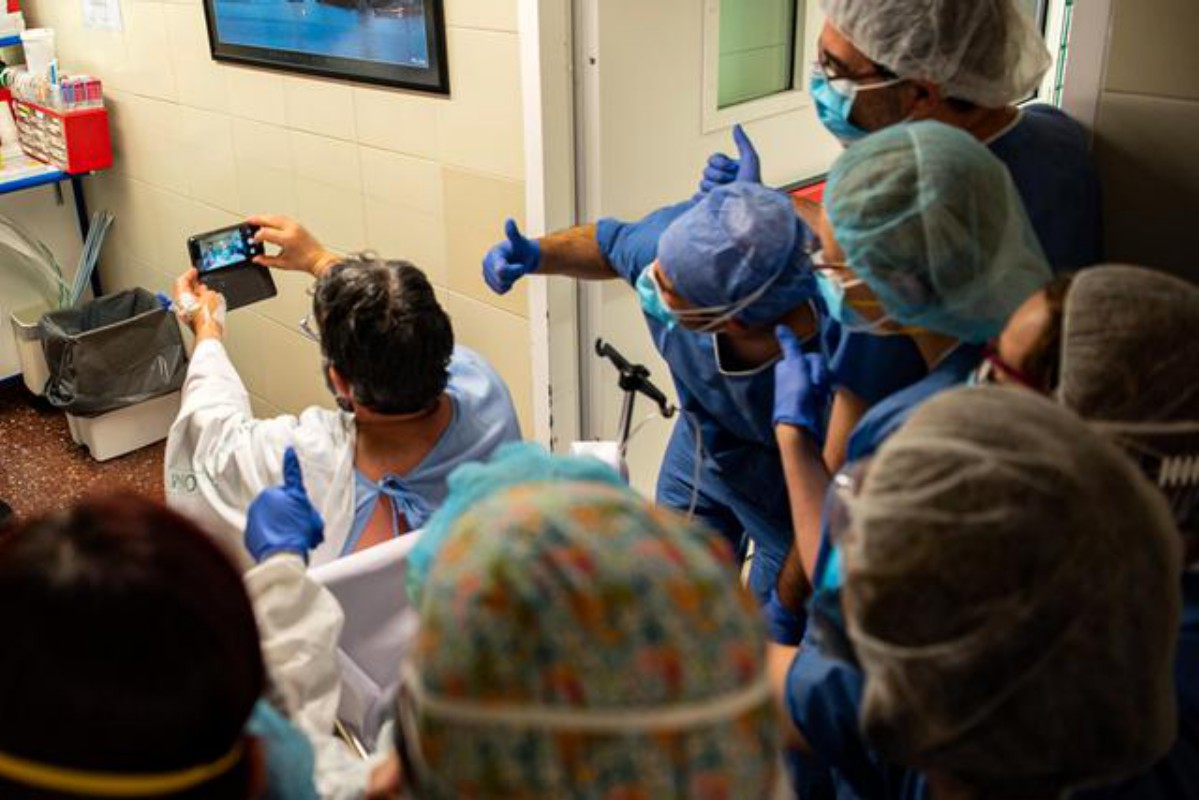
What we often refer to as ‘pulling the plug’ is actually a very serious and regulated procedure within the Spanish legal and medical systems; it’s not something a family can decide on a whim. It more accurately involves limiting or withdrawing life-sustaining treatment. This is not the same as euthanasia. Instead, it refers to the withdrawal of futile medical treatments after an assessment determines that they only prolong the dying process without any hope of recovery, thereby allowing a natural death to occur.
Respecting the Patient’s Wishes is Paramount
In Spain, patient autonomy is given the highest priority. If a person, while lucid, has clearly expressed a wish not to receive excessive treatment under certain circumstances, or has signed a ‘living will’ (testamento vital or voluntades anticipadas), then both doctors and family must respect their wishes. This is why more and more people are preparing this document in advance, to make arrangements for their final journey and to spare their families from having to make an agonizing decision.
The Purpose of a Living Will
Simply put, this document is your pre-written ‘medical instruction manual.’ If you one day become unconscious and unable to express your wishes, doctors can refer to this document to understand your intentions. For example, whether you would want to receive tracheal intubation, a ventilator, artificial feeding, and so on. It ensures that even when you cannot speak for yourself, your dignity and choices are still heard.
The process of creating this document is not complicated, and each autonomous community has its own specific regulations. Generally, it can be done in the following ways:
| Method | Characteristics |
|---|
| Before a notary public | The most formal method with strong legal validity. |
| Before three witnesses | Witnesses cannot be your relatives or benefit from your decisions. |
| Before a healthcare center official | Many regional health systems offer this service. |
This is truly something worth understanding and preparing for in advance regarding [Spanish healthcare]. Although talking about death can feel a bit morbid, planning ahead is a responsible act, both for yourself and your family. I’m curious to know what everyone thinks about this topic. Has anyone created a similar living will and would be willing to share their experience?
