Shortly after settling in Madrid, my biggest fear in this unfamiliar place was getting sick. I had heard great things about Spain’s universal free healthcare before I came, but I wasn’t sure what the actual experience would be like. Recently, due to a skin allergy, I ended up experiencing both the public and private hospital systems, so I thought I’d share my genuine impressions as a reference for other newcomers.
My First Public Hospital Visit: The Waiting Game
I first went to the local Centro de Salud (community health center). Because I have public health insurance, the registration, consultation, and prescription were all free. The front desk staff were professional but not overly friendly, though their instructions were clear. My family doctor seemed very experienced; he asked a few simple questions, examined my symptoms, and prescribed medication. The whole process was smooth, and it was great that it didn’t cost me a single cent. However, the downside was also obvious: it was crowded, and the wait times were long. It took about a week from booking the appointment to actually seeing the doctor. For emergencies, you can be seen immediately, but I’ve heard that waiting three to five hours is quite common. The public system really tests your patience for conditions that are uncomfortable but not urgent. While the general [treatment in Spanish hospitals] is solid, the wait times are a major drawback, a detail you might not find when just looking at Spanish hospital rankings.
The Private Hospital Experience: Synonymous with Efficiency and Service
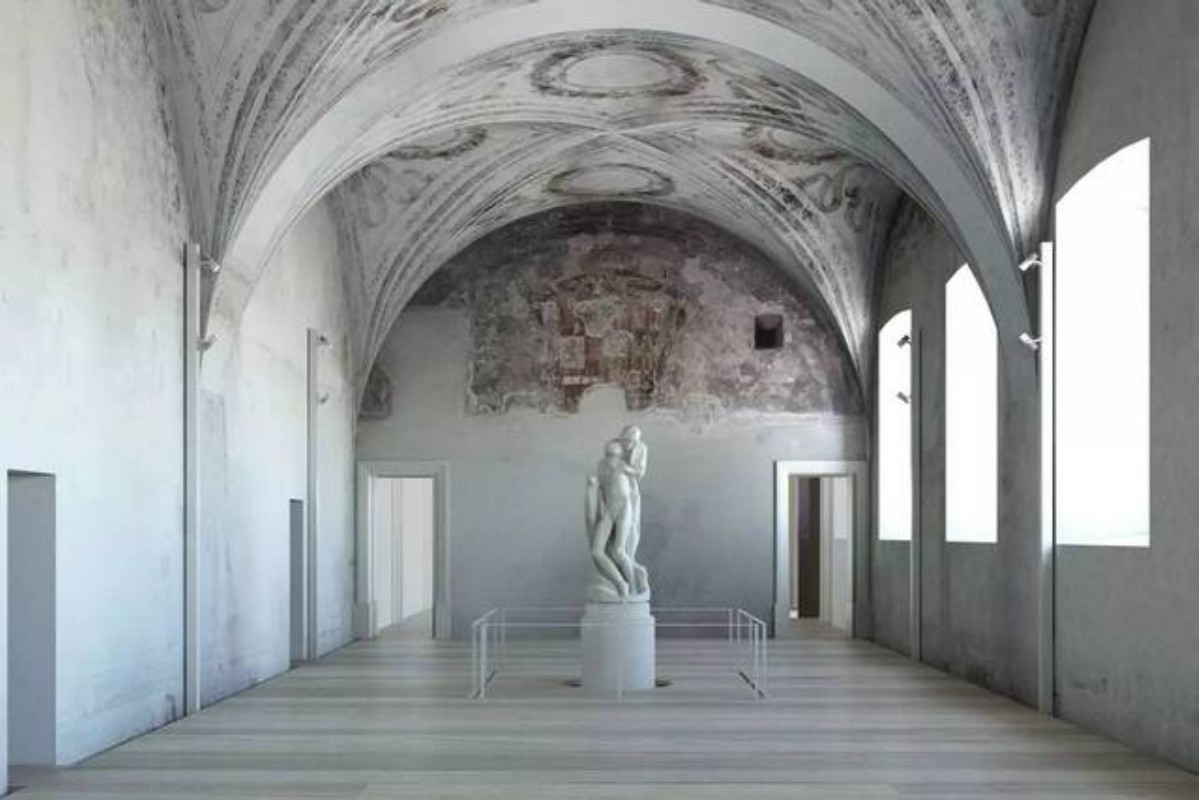
Later, my allergy flared up again, and a friend suggested I try a private hospital using my company’s private health insurance. The experience was like night and day. I booked a specialist directly through my insurance company’s app and had my appointment the very next day. The hospital environment felt like a hotel, a nurse guided me the whole time, and the doctor’s consultation was incredibly thorough, lasting about 20 minutes. Although the prescribed medication was similar to what I got at the public hospital, the entire process was pleasant and stress-free, with almost no waiting. Of course, this level of service comes at a high price. I glanced at the bill and saw that if I were paying out-of-pocket, a single specialist consultation—a key part of the [treatment in Spanish hospitals]—could cost upwards of 100 euros, and that’s not including lab tests. This is why having good private health insurance is so important.
Public vs. Private: A Simple Comparison
To give you a clearer picture, here’s a simple comparison table I made:
| Item | Public Hospital | Private Hospital |
|---|
| Cost | Mostly free | Expensive |
| Appointment Wait Time | Long, from weeks to months | Fast, usually within days |
| Patient Experience | Assembly-line style, short consultations | Detailed service, good environment, thorough communication |
| Language | Mainly Spanish | English services often available |
Overall, Spain’s healthcare system is quite impressive. The public system provides a solid safety net, ensuring the affordability of care, and is particularly well-suited for managing chronic illnesses and serious emergencies. The private system, accessed through insurance, addresses the need for high-quality and fast service, enhancing the patient experience. For expats like us, my advice is: having public health coverage (social security) is essential as a baseline. If your budget allows, supplementing it with private insurance is a great idea. It allows you to resolve minor health issues quickly and can greatly improve your quality of life. Have you had any experiences with the healthcare system in Spain? Feel free to share in the comments below!
