Falling ill is one of the biggest worries when you’ve just moved to Spain. Being in a new place, with the language barrier sometimes being an issue, and even concerns about Spanish hospital mortality rates, finding a reliable hospital becomes a top priority. I’ve had my share of challenges, so I’ve spent some time compiling information on well-known public and private hospitals across Spain’s autonomous communities. I’m sharing it here in hopes that it will help others.
Public Hospitals
Public hospitals are the primary choice for most people with social security (seguridad social). The main advantages are comprehensive coverage for major illnesses and most costs being covered by social security. The downside, however, is the extremely long waiting times; queuing for specialist appointments and tests is common. However, the emergency rooms at the facilities on this list of hospitals in Spain are generally very efficient.
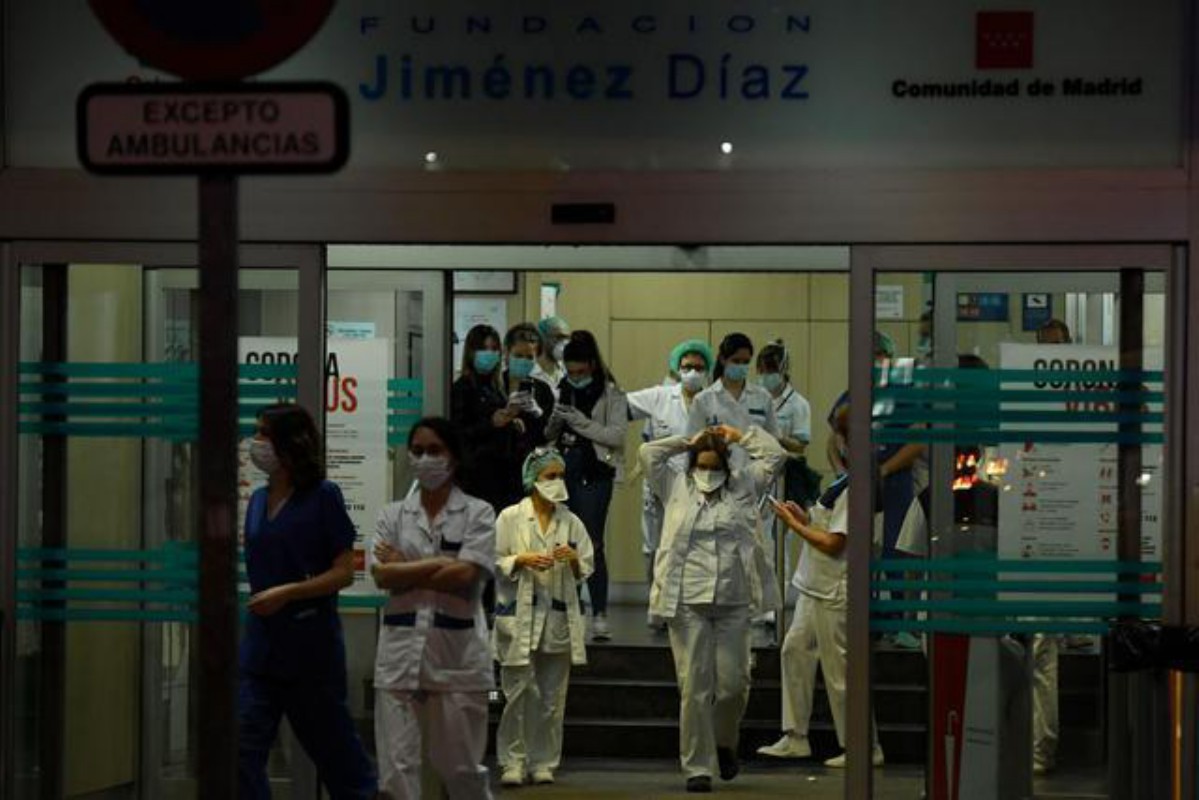
Typically, for minor ailments, you first visit a local health center (Centro de Salud). Your family doctor (GP) will refer you to a major general hospital if they deem it necessary. Based on current hospital rankings in Spain, here are a few of the most respected public hospitals in the Spanish healthcare system:
| City | Notable Public Hospital | Specialties/Notes |
|---|
| Madrid | Hospital Universitario La Paz | One of Spain’s top general hospitals, especially renowned for pediatrics and transplants. |
| Madrid | Hospital General Universitario Gregorio Marañón | A large, historic hospital with strong research capabilities. |
| Barcelona | Hospital Clínic de Barcelona | Extremely strong overall, a benchmark for Barcelona and all of Catalonia. |
| Valencia | Hospital Universitari i Politècnic La Fe | The flagship hospital of the Valencian Community, with very modern facilities. |
Private Hospitals
If you have private health insurance, private hospitals are a much more comfortable and efficient option. The biggest advantage is speed! You can usually see a specialist within a week, tests are scheduled quickly, and the environment and service are generally better. Many high-end private hospitals also offer services in English and may provide interpreters. Of course, without insurance, the costs can be extremely high.
Some well-known private healthcare groups, such as Quirónsalud, HM Hospitales, Vithas, and Sanitas, have extensive networks of hospitals and clinics in major cities across Spain. I’ve personally used Quirónsalud and had a great experience; the entire process from booking an appointment to the consultation was very smooth. I’d recommend that when you’re choosing a private insurance plan, you check which hospital networks are included and pick one that has wide coverage in your area.
So, to summarize: for those with social security, go to a Centro de Salud for minor issues and a major public hospital for emergencies or serious conditions. For those who prioritize efficiency and a better experience, or have specific medical needs, consider getting private insurance to access private hospitals. Feel free to add reliable hospitals in your city in the comments below to help us build a more complete ‘healthcare map of Spain’! Wishing everyone good health
!
