Recently, I spent over a week in a Spanish public hospital due to a family member’s illness, which gave me an in-depth experience of the healthcare system here. Beyond the challenges of seeing a doctor in Spain and my admiration for the professionalism and patience of the doctors and nurses, my biggest takeaway is that a hospital is truly a microcosm of society, where you see all sorts of people. Today, I’d like to share my observations on the typical types of patients you’ll find in a Spanish hospital.
Patient Demographics in a Spanish Hospital
The “Regulars” of the Emergency Room
The emergency room (ER) is always the busiest part of the hospital. The people here are a diverse crowd. You have young people with sports injuries, like a sprained ankle from football; elderly individuals rushed in by ambulance for sudden heart problems or breathing difficulties; and of course, crying children who’ve had a bump or a fall. I also noticed a phenomenon that some Spanish doctors complain about: some elderly people who live alone may come to the ER for minor discomfort or simply out of loneliness, seeking help and companionship. The nurses are incredibly patient in comforting them. You could say the ER is a snapshot of society, full of unexpected and urgent situations.
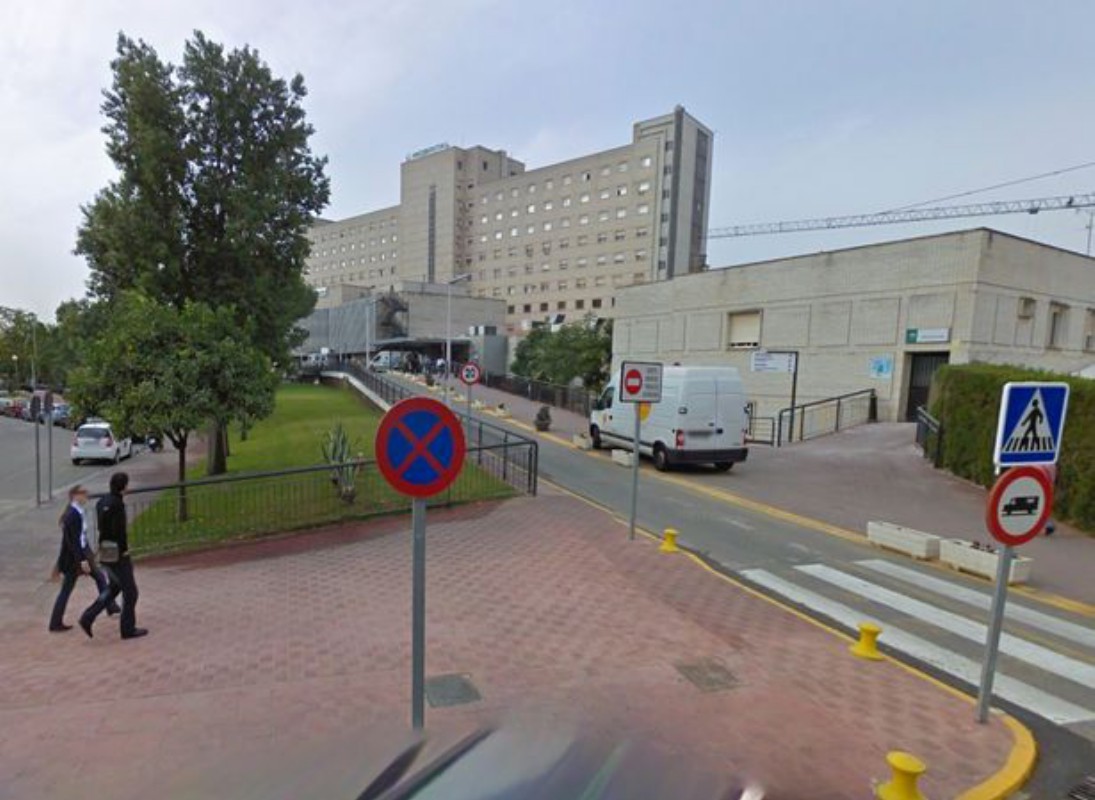
The Two Main Groups in the Inpatient Wards
Things are very different once you get to the inpatient wards—it’s much quieter. Based on my observations, inpatients can be broadly divided into two main groups. The first group consists of patients scheduled for surgery, such as in orthopedics or general surgery. They usually don’t stay long and are discharged a few days after their operation to recover. The other group, which makes up a very large portion, is the elderly admitted for various internal medicine conditions. Spain’s aging population is quite evident here. You see grandfathers and grandmothers everywhere who are repeatedly hospitalized for chronic diseases like pneumonia, heart problems, or complications from diabetes. Many have multiple underlying conditions, making their situations quite complex.
Special Groups
Besides the common types mentioned above, a few special groups also left a deep impression. For instance, the maternity ward is always filled with joy and the cries of newborns, with proud new parents pushing bassinets down the hallway. Additionally, the oncology day hospital is always bustling with people. Many patients come here regularly for chemotherapy or radiotherapy. Although they are enduring immense physical suffering, their calm and resilience are truly admirable. The relationship between healthcare staff and patients feels more like that of comrades-in-arms.
My time in the hospital was very moving. It’s not just a place for healing; it’s a window into the full spectrum of life, where you can witness both its challenges and its warmth. Below is a simple summary of the patient characteristics in different departments for a clearer picture.
| Department | Main Patient Type | Characteristics |
|---|
| Emergency (Urgencias) | People of all ages with sudden illnesses or injuries | High traffic, complex and urgent situations |
| Internal Medicine (Medicina Interna) | Mostly elderly patients with chronic diseases | Hospital stays can be long, with complex conditions that sometimes contribute to ICU shortages |
| Surgery (Cirugía) | Patients of all ages requiring surgical treatment | Clear objectives, relatively short hospital stays |
| Maternity (Maternidad) | Expectant mothers and newborns | Relatively relaxed atmosphere, full of hope |
| Oncology (Oncología) | Cancer patients undergoing treatment | Strong-willed patients, close doctor-patient relationships |
