My Spanish Hospital Diary: Being a “Real” Patient
Having lived in Spain for a long time, I’ve usually handled minor aches and pains by visiting my local GP for a prescription or just buying over-the-counter medicine from the pharmacy. To be honest, I’ve always felt that while the healthcare system here is free, its efficiency is… well, you know. However, due to a recent accident, I had the full experience of the public hospital system, from the emergency room to being admitted. Today, I’m here to share what it’s really like to be a patient in Spain.
I won’t go into the details of what happened, but it required a trip to the emergency room (Urgencias). Upon arrival, I registered at the front desk with my health card. A nurse briefly asked about my condition and then performed a triage based on urgency. A reminder for everyone: in Spain’s ER, it’s not first-come, first-served; you’re seen based on the severity of your condition. So, if you’re there for a minor issue, you might wait for several hours, a common challenge when seeing a doctor in Spain. My situation was quite clear, so I was called in shortly after triage. The doctors and nurses inside were all very nice and patient. Despite being busy, they were organized and methodical, which made a good first impression.
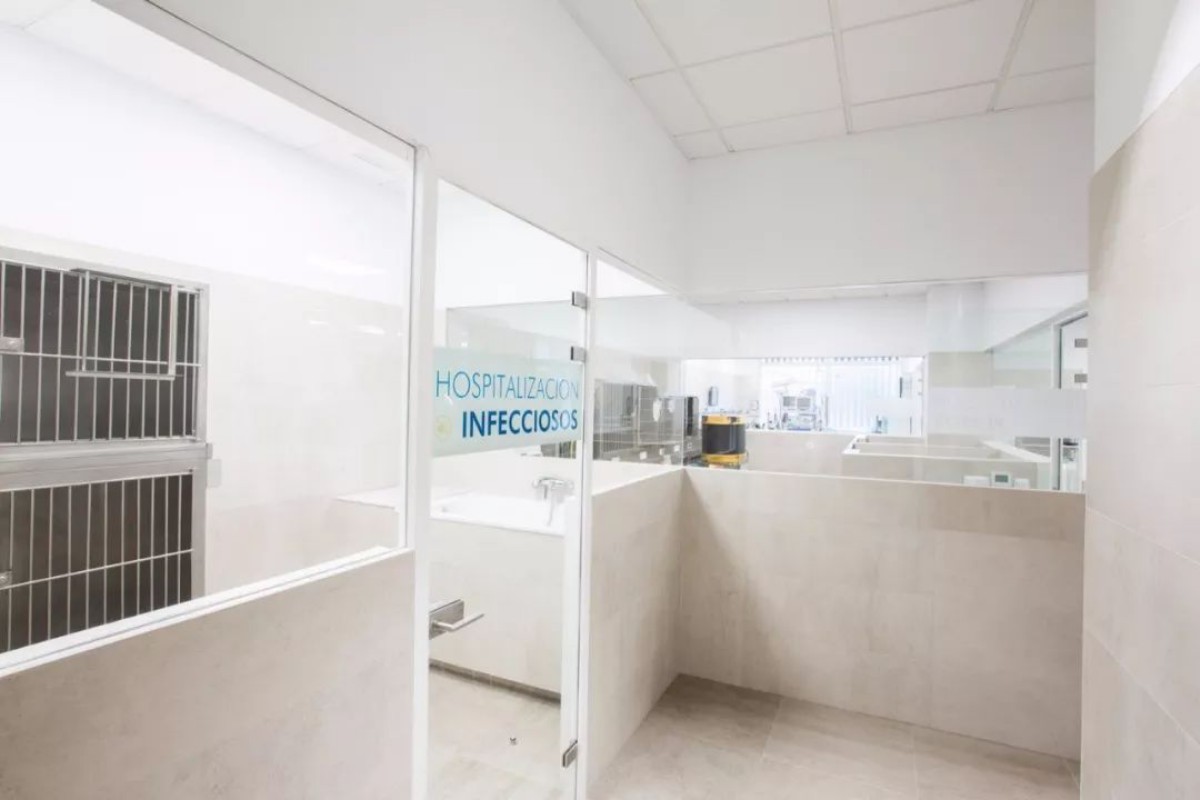
After a series of tests, the doctor decided I needed to be hospitalized for observation. Once the admission process was complete, I was taken to a ward. I was in a semi-private room for two, which was spacious and bright, with its own private toilet and shower—much better than I had imagined. During my stay, a doctor would do rounds every morning, and nurses would regularly check my temperature and blood pressure and administer medication. The hospital food, well, that’s another story. It was typical “hospital food”—very bland, so don’t expect much in terms of flavor. But for the sake of health, I had to accept it. If you have special dietary needs, like being a vegetarian or having allergies, remember to inform the nurses in advance.
The most frustrating part of my hospital stay was scheduling and waiting for various tests. For instance, an ultrasound or a CT scan usually isn’t done on the same day; you have to be put on a waiting list. This is probably a clear example of the public system’s inefficiency—everything moves at a slow pace. Fortunately, the doctors and nurses constantly monitor your condition to ensure you’re stable while you wait. I’ve put together a simple table of common medical terms that might be useful, which might help avoid the kind of situations that lead to [Spanish doctors’ complaints]:
| English | Spanish | Sounds Like |
|---|
| Doctor | Médico / Médica | ’me-di-co |
| Nurse | Enfermero / Enfermera | en-fer-'me-ro |
| Emergency | Urgencias | ur-'jen-cias |
| Pain | Dolor | do-'lor |
| Test / Analysis | Prueba / Análisis | ’prue-ba / a-'na-li-sis |
This hospitalization gave me a more comprehensive understanding of Spain’s public healthcare system. Its advantages are that it’s free, professional, and they take good care of patients. The downside is the well-known inefficiency and long waiting times. If you are one of the many [patients in Spanish hospitals] with a chronic condition or a non-urgent issue, you’ll definitely need a lot of patience. However, for serious emergencies, their response is very timely and professional. I hope my experience can be a helpful reference for those who might need it, but of course, I hope you all stay healthy and never have to use this article!
