When you first move to Spain, the last thing you want is to get sick. Being in a new place, and maybe not being completely fluent in the language, can make navigating the healthcare system here really overwhelming. When I first arrived, I didn’t know how to see a doctor and ended up letting a simple cold drag on for way too long. I recently spent some time putting together this guide on [Spanish hospital hours] and procedures to share with others on the forum who might need it. Hopefully, it can help you avoid some of the difficulties I faced.
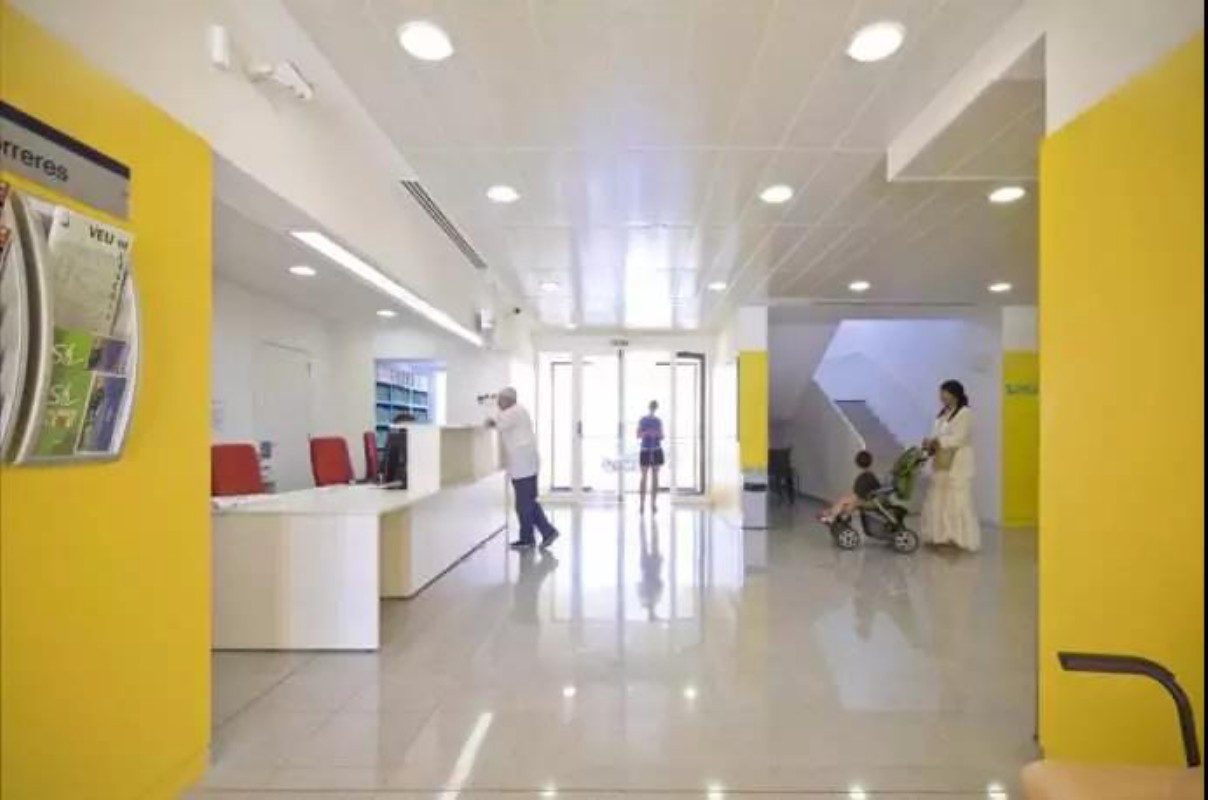
Public Healthcare System
This is what most people with public health coverage (from social security) will use most often. The public system is mainly divided into two parts: regular appointments and emergency services.
Regular Appointments (Outpatient)
This involves going to your assigned local health center (Centro de Salud). Here, you’ll typically see your family doctor or General Practitioner (GP) for common illnesses or to get a referral to a specialist. Remember, you must book an appointment in advance to see your family doctor
! Just showing up won’t work.
- Operating Hours: Typically Monday to Friday, from around 8:00 AM to 3:00 PM. Some centers may have afternoon hours, but it’s less common. They are closed on weekends and public holidays.
- Booking Methods: You can book an appointment by phone, through the health center’s official website, or by downloading the health app for your specific autonomous community. The app is the most convenient option, so I highly recommend downloading it.
Emergency Services (Urgencias)
For weekends, evenings, or sudden emergencies, you’ll need to go to emergency services (Urgencias). There are two main types:
- Local Emergency Centers (SUAP): These are 24-hour or after-hours community clinics for non-life-threatening emergencies like high fevers, acute gastroenteritis, etc. They are generally faster than major hospitals.
- Major Hospital Emergency Rooms: These handle very urgent and serious situations, such as car accidents or heart attacks. Waiting times here can be very long, as patients are triaged and seen based on the severity of their condition, not on a first-come, first-served basis.
Private Healthcare System
If you have private health insurance, seeing a doctor is much more flexible. You can directly book an appointment with any doctor at a private hospital or clinic, including specialists, without needing a referral from a GP. Waiting times are usually short, and the service and facilities are often better.
- Operating Hours: Private clinics have very flexible hours, with many offering afternoon and even evening appointments, which is convenient for working professionals. Fewer are open on weekends, but it’s still possible to find some.
- Booking Methods: You can call your insurance provider directly or use your insurer’s app/website to find affiliated doctors and hospitals for [Spanish emergency services], then contact the hospital or clinic to book. I personally find using the insurance company’s app the most convenient, as it clearly shows doctor information, addresses, and reviews.
To summarize where to go for different situations, here’s a reference table. Wishing everyone good health in Spain
!
| Type of Condition | Recommended Location | Notes |
|---|
| Common cold, routine check-ups, prescriptions | Local Health Center (Centro de Salud) |
| Appointment required |
| Sudden high fever at night, acute gastroenteritis | Local Emergency Center (SUAP) | No appointment needed, faster than a major hospital |
| Serious injuries, suspected heart attack, etc. | Major Hospital Emergency Room | No appointment needed, waiting times for [Spanish hospital hours] can be long |
| Seeing a specialist, need for efficiency | Private Hospital/Clinic | Requires private insurance, book directly |
