I had to go to the hospital for an allergy shortly after arriving in Spain. I’d always heard that Spain’s public healthcare is free but slow, which made me a bit anxious. I recently experienced it firsthand at a Spanish hospital, and it was both what I expected and different in some ways. I’m sharing my experience here as a reference for others and as a personal record.
Appointments and Waiting: Patience is Key
My situation wasn’t an emergency, so the first step was to visit my local family doctor (GP). After the consultation, the GP decided I needed to see a specialist and gave me a referral. Now for the main point: the waiting time from getting the referral to actually seeing the specialist was indeed long. I waited about a month for a dermatologist appointment. I’ve heard that for some specialties, like orthopedics or endocrinology, waiting three to five months, or even half a year, is considered normal. So, unless it’s a critical emergency, you absolutely need to be patient.
Inside the Hospital: Clean and Orderly, but Understaffed
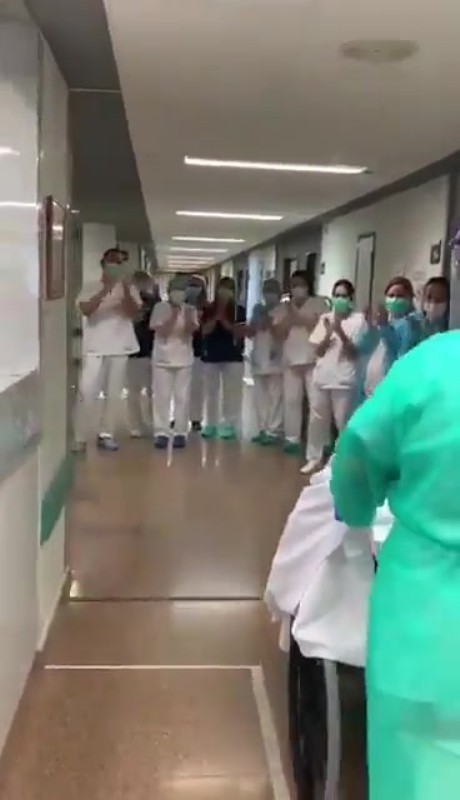
When the day of my appointment finally arrived, I went to a large public hospital in Madrid a bit early. My first impression was that the environment was very clean and the signs were clear. Although there were many people, everyone sat quietly in the waiting areas, unlike the bustling and noisy atmosphere you might find in some hospitals. However, you could clearly see how busy the medical staff were. The nurses at the nurses’ station were constantly on their feet—answering phones, verifying information, and guiding patients. It seemed one person was doing the job of several. I got the feeling they were definitely short-staffed; sometimes you had to wait in line just to ask a question.
Consultation and Testing Process
Once I met with the specialist, the consultation itself was quite thorough. The doctor asked detailed questions about the history of my allergy and my dietary habits. Afterwards, they ordered blood tests and a skin test. Here’s another important point: the tests aren’t done on the same day. You have to make a separate appointment for them. Below are the main steps I went through and the approximate times they took:
| Step | Approx. Waiting Time | Notes |
|---|
| Appointment with GP | 1-3 days | Easy to book via app or phone |
| GP referral to specialist | 1-3 months | This is the longest wait in the Spanish hospital process |
| Specialist orders tests | During the consultation | The consultation itself lasts about 15-20 minutes |
| Booking the tests | 1-2 weeks | Requires booking at a specific counter or by phone |
| Waiting for test results | Around 1 week | Results are automatically updated in the system |
My biggest impression of Spain’s public hospitals is how ‘procedural’ everything is. Every step strictly follows a protocol. The advantage is that it’s standardized and free; the disadvantage is the low efficiency and significant time cost. For chronic conditions or non-urgent issues, the experience is quite good. But if you have an acute illness or need a quick solution, the public system, unlike some surprising hospital sights, can be frustrating. Some friends of mine couldn’t bear the wait and opted for private insurance, essentially paying to save time. What have your experiences been with the healthcare system in Spain? Feel free to share in the comments below!
