A family member wasn’t feeling well recently, so I went with them to the emergency room at a nearby public hospital. It was my first real deep dive into Spain’s public healthcare system. I was a bit anxious beforehand, having always heard that medical care here can be slow and inefficient. Today, I’m documenting the entire process to give a firsthand reference for all fellow expats living in Spain.
Hospital Arrival and Triage
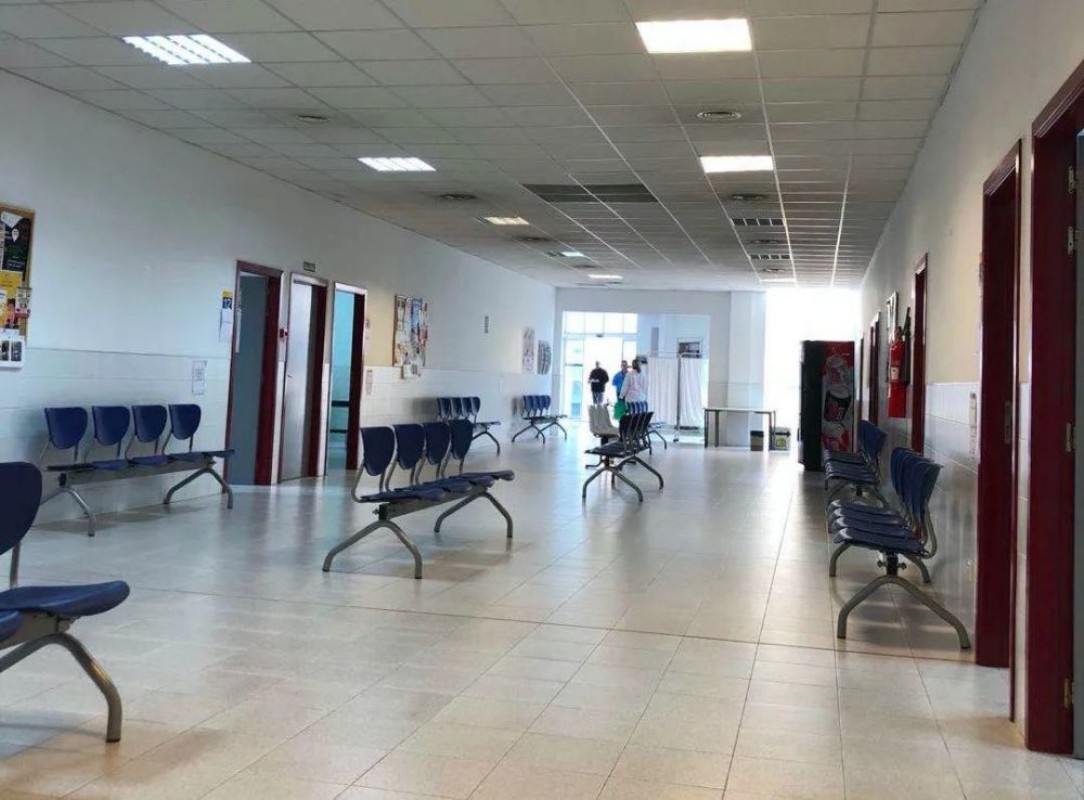
We went to a medium-sized municipal hospital. The moment we walked into the ER, it was completely different from the chaotic, overcrowded scene I had imagined. The main hall was very bright and tidy, with no trash on the floor and none of the strong disinfectant smell you often find in hospitals in China. It wasn’t crowded, and people were waiting quietly in their seats. The first step is to register at the front desk with your medical card or residence permit. The staff asks for basic information, like your symptoms, and then gives you a wristband with a number. Next, you go to the triage desk, where a nurse performs an initial assessment—checking your blood pressure and temperature—and assigns you a color code based on the urgency of your condition. This code determines your waiting time; I was told patients with the most urgent color code are seen immediately.
Waiting and the Interior Environment
After triage comes the wait. The chairs in the waiting area are comfortable, not like the typical hard plastic ones. An electronic screen on the wall displays the numbers being called, which is very clear. The waiting area has vending machines for water, drinks, and snacks at normal prices. I took a walk around and noticed the public facilities are really well-maintained. The restrooms were spotless and equipped with accessible facilities for people with disabilities. The overall atmosphere felt very user-friendly. Although the wait was indeed long, the pleasant environment helped reduce the anxiety.
| Area | Features |
|---|
| Reception Hall | Bright, quiet, not crowded |
| Triage Desk | Nurse conducts initial assessment and classifies urgency |
| Waiting Area | Comfortable seating, electronic calling screen, vending machines |
| Consultation Room | Good privacy, equipment looks new |
Once inside the consultation room, I found it was more spacious than expected, and the privacy in these Spanish hospitals is excellent. Both the doctor and the nurse were very gentle and patient, listening carefully to our explanation without any hint of impatience. The doctor’s questioning was very thorough. I got the impression that in Spanish hospitals, they prefer to diagnose through detailed inquiry and basic exams rather than ordering a battery of tests right away. Procedures like blood tests and X-rays were also done in different rooms within the ER area, so there was no need to run up and down different floors, which was very convenient.
This ER experience at a Spanish public hospital really overturned some of my preconceived notions. The pros are a great environment, a clear process, and professional medical staff. The downside is also obvious: the long waiting time. Unlike a quick visit to see [hospital attractions], if your condition isn’t particularly urgent, you really need to have a lot of patience. However, for patients who truly need emergency care, they are guaranteed to be treated immediately. I hope this experience can be helpful to everyone, and I wish you all good health here in Spain!
