When I first arrived in Spain, I often heard how great the public healthcare system was and how responsible the doctors were. It wasn’t until I personally experienced a medical incident—not major, but not minor either—that I realized you have to be extra vigilant no matter where you seek medical care. I’m sharing this experience not to cause panic, but to give everyone a heads-up on what to do if you find yourself in a similar situation.
The incident occurred over half a year ago. I went to the emergency room of a well-known public hospital in Barcelona for a severe skin allergy. The attending doctor seemed very young, asked a few questions, and directly wrote a prescription for me to pick up at the pharmacy. The itching was unbearable at the time, so I didn’t think much of it and started using the medication right away. However, my condition didn’t improve; it worsened. I developed a burning sensation and blisters where I applied the cream. I knew something was wrong, but I tried to reassure myself that it might just be a normal drug reaction, unlike more severe incidents such as [radiation accidents].
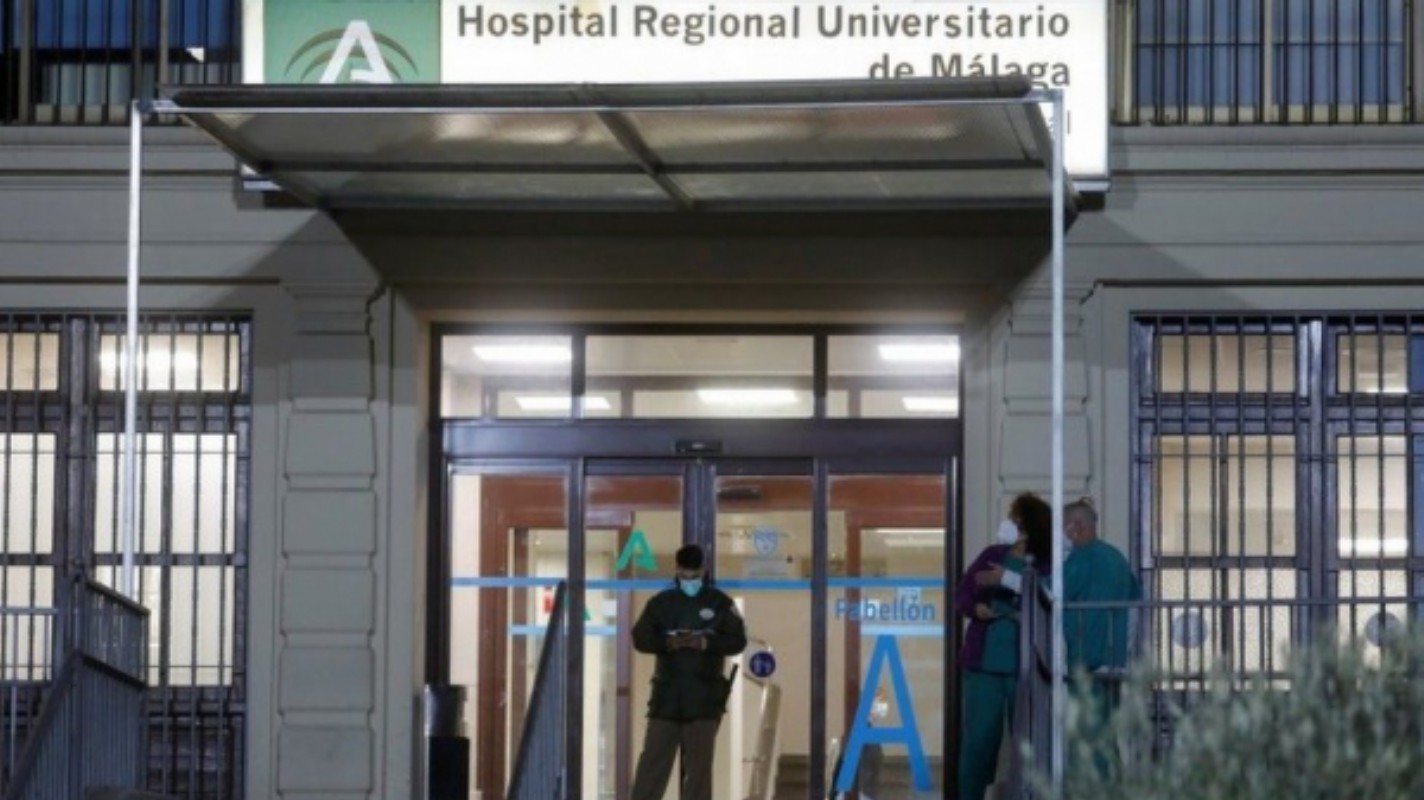
The next day, my condition deteriorated rapidly, so I rushed to a private clinic. When the private doctor saw the medication I had been using, his expression changed. He told me the cream from the public hospital contained a potent steroid, which was completely unsuitable for my type of allergy, and that my symptoms were clearly a secondary injury caused by the medication. At that moment, I was both furious and terrified. The private doctor provided emergency treatment and advised me to file a complaint with the public hospital.
The Complaint Process and Outcome
After returning home, I immediately began preparing my complaint materials. Hospitals in Spain have a dedicated “Patient Services Department” (Atención al Paciente). I started by writing a detailed email explaining the incident, attaching the diagnostic reports from both hospitals—a critical aspect of [medical care in Spain]—and photos of the medication as evidence. The process was more complicated than I anticipated, requiring constant communication and follow-ups. Here are the key steps I took, which might be helpful for handling [Spanish hospital incidents], and the timeline:
Communication Timeline
| Timeline | Action Taken | Hospital’s Response |
|---|
| 3 days after incident | Submitted first complaint via email to the Patient Services Department | Received an automated reply stating it would be forwarded to the relevant department |
| 10 days after incident | No substantial reply received; followed up by phone | Customer service said it was under investigation and asked for my patience |
| 20 days after incident | Sent another email with a stronger tone, CC’ing hospital management | Received a call from the department head, who apologized and invited me for a meeting |
| 30 days after incident | Met with the department head and the doctor involved | The hospital formally apologized and admitted to the medication error |
The hospital admitted its mistake, waived all fees for my follow-up check-ups, and the doctor involved wrote a personal letter of apology. Although I endured additional physical suffering, the experience taught me how to navigate the medical complaint process in Spain. A reminder to everyone: when seeing a doctor in Spain, always ask questions, look up any medication names or diagnoses you don’t understand, and get a second opinion immediately if something feels wrong. Ultimately, you have to be proactive about your own health.
