When I first arrived in Spain, the healthcare system seemed impressive—public healthcare is free, and the doctors appeared very professional. However, the longer I’ve lived here, the more I’ve heard about unpleasant hospital experiences, and even some serious medical incidents. Recent news reports on a few more cases have been quite unsettling, which is why I want to start a discussion: why does the Spanish medical system, which we perceive as ‘advanced,’ still have so many accidents?
Major Reasons Behind the Accidents
I’m not an expert, so these are just a few possible reasons I’ve summarized based on news I’ve read and some research. I welcome everyone to add to the list or offer corrections.
Systemic Issues: Staff Shortages and Strained Resources
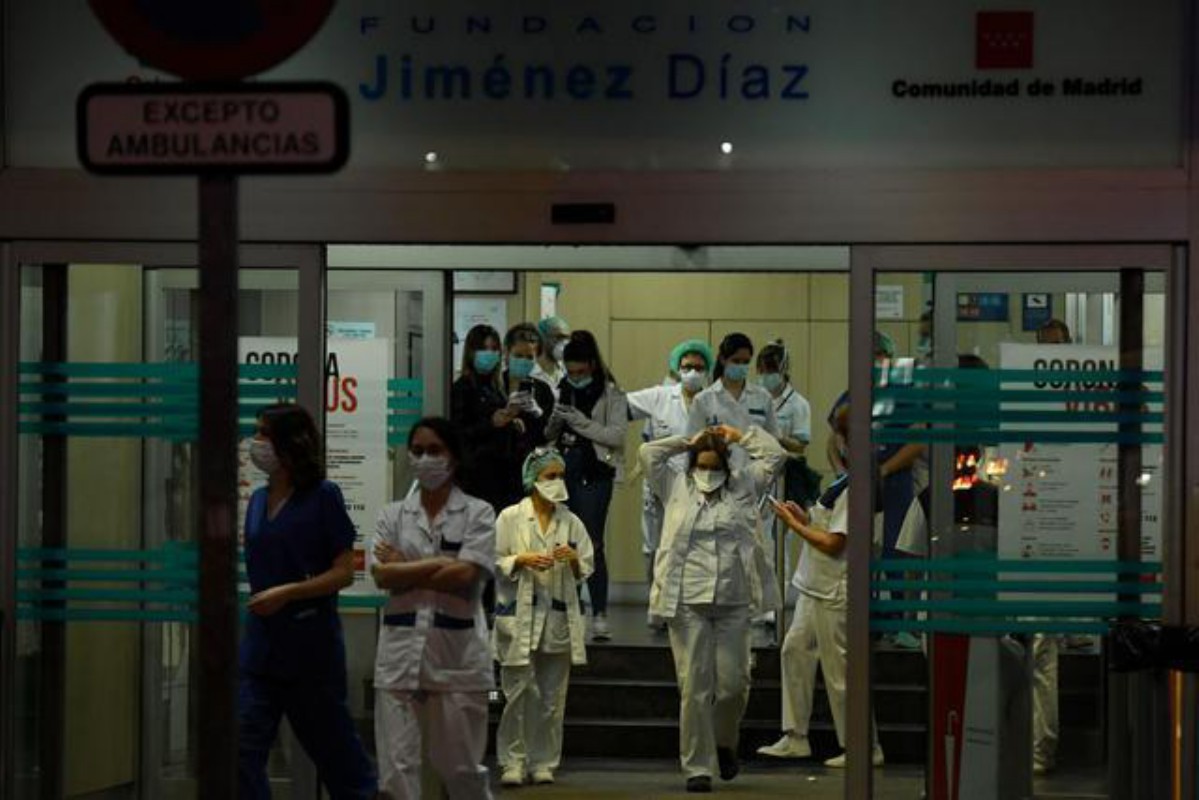
This is perhaps the most fundamental cause. As we all know, Spanish public hospitals are chronically overcrowded, placing immense pressure on doctors and nurses. A doctor might see dozens of patients a day or perform back-to-back surgeries. This high-stress, high-workload environment makes it difficult to maintain focus, naturally increasing the risk of errors, including severe incidents like [radiation accidents]. The situation is particularly acute in emergency rooms; anyone who’s been there can attest to the chaos and tension. The long waiting times don’t just test patients’ patience; they also exhaust the medical staff.
Poor Communication: Language and Cultural Barriers
For us expats, language is the first hurdle. Even if many of us speak Spanish well, professional medical terminology can still create communication barriers when describing complex conditions. A doctor might not fully understand you during a consultation for [medical care in Spain], and you might misunderstand their diagnosis or instructions. I’ve heard stories of friends who used the wrong medication because they didn’t understand the doctor’s orders, which worsened their condition. And it’s not always just about language; cultural differences can also lead to miscommunication. For example, some cultures tend to describe pain more subtly, whereas Spaniards might be more direct.
Loopholes in Procedures and Protocols
Even the most well-designed system has its flaws. For instance, patient information might be lost or incorrectly transferred between departments; a lapse in pre-operative checks could lead to unbelievable incidents like wrong-site surgery; or lax medication management could result in the wrong drug being administered. While these are low-probability events, the impact on the patient is 100% when they happen. I’ve seen reports analyzing that the root cause of many accidents is a failure to strictly adhere to established safety protocols.
| Common Accident Types | Possible Causes of [Spanish hospital accidents] |
|---|
| Misdiagnosis | Doctor’s inexperience, equipment issues, insufficient communication |
| Surgical Errors | Negligent pre-op checks, doctor fatigue, poor teamwork |
| Medication Errors | Illegible prescriptions, nurse’s failure to verify, patient information mix-ups |
| Hospital-Acquired Infections | Inadequate disinfection, crowded wards, lack of effective isolation |
Spain’s healthcare system certainly has its strengths, but we can’t be complacent. As patients, we need to communicate more proactively, repeatedly confirm anything we don’t understand, and consider seeking a second opinion for major diagnoses and treatment plans. I hope everyone stays healthy and never has to use these tips. Have any of you experienced something similar? Feel free to share your stories here.
