Recently, an elderly family member fell ill, and I accompanied them on several hospital trips, from the local Centro de Salud to the emergency room of a large hospital, eventually leading to a few days of inpatient care. I’d always heard that Spain has great healthcare benefits, especially for the elderly. This was my firsthand experience with [medical care for seniors in Spain], and I wanted to share my real impressions. Feel free to discuss if you have different experiences.
First Impressions: ER Waits and Humanized Care
Our first stop was the community family doctor, who gave us a referral to the ER of a major hospital. Honestly, the wait times at public hospital ERs are incredibly long, especially if your case is triaged as ‘less urgent.’ But what impressed me was that whenever a nurse came to check on us, their attitude towards my elderly relative was incredibly patient and gentle. They would crouch down to be at eye level with the person in the wheelchair, speaking slowly and clearly. While the waiting was stressful, this attention to detail and respect was truly heartwarming.
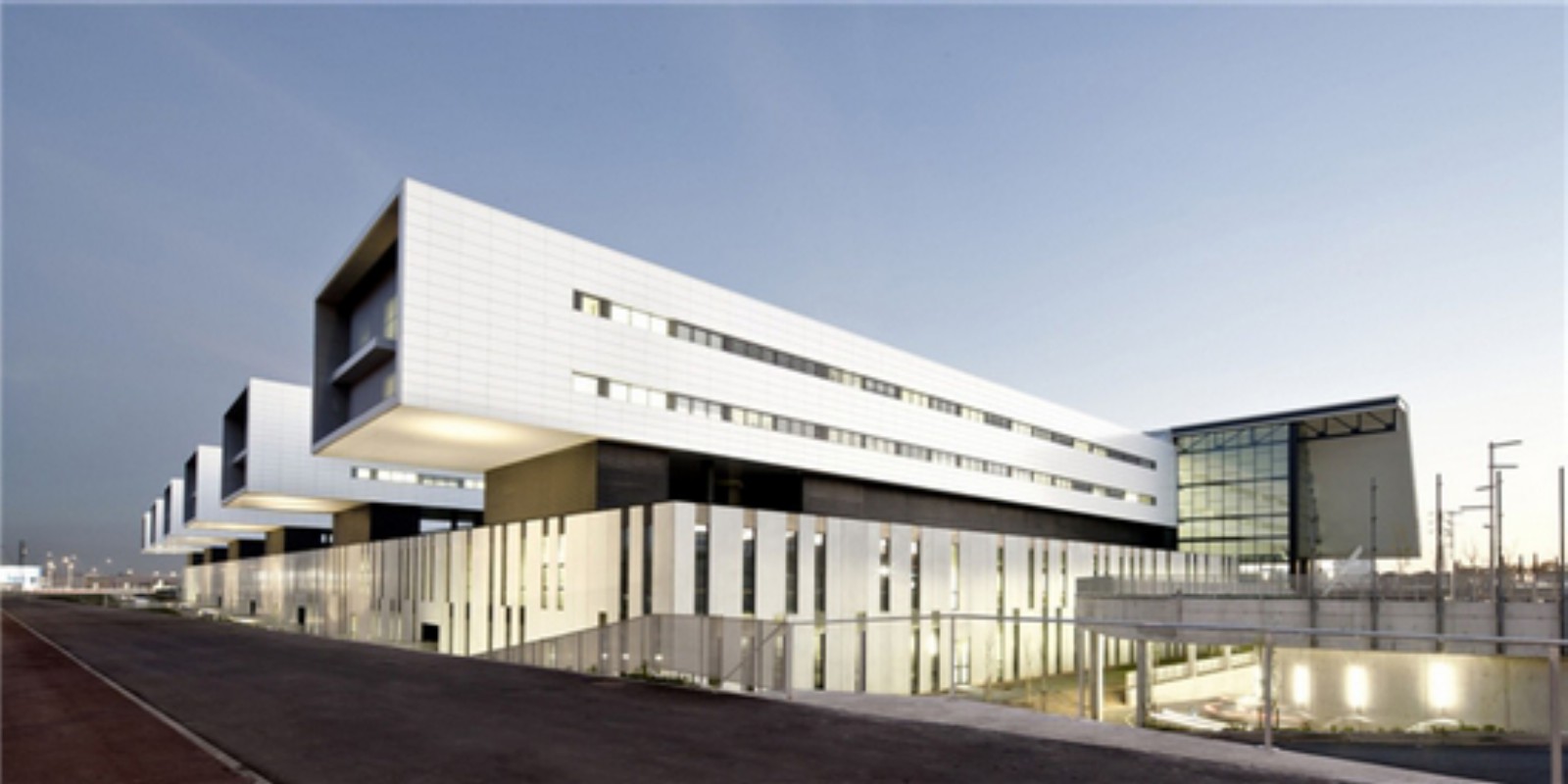
Observations During the Hospital Stay
Once admitted to a room, it felt like a different world. In Spain, the roles of nurses (enfermeros/as) and healthcare assistants (auxiliares) are very clearly defined. Nurses handle medical tasks like giving injections, dispensing medication, and changing dressings. Healthcare assistants, on the other hand, are responsible for the patient’s daily living needs, such as feeding, turning, changing bed linens, and personal hygiene. They are all very professional and efficient. I noticed a small detail: when an assistant helped my relative turn or move, they would first say softly, ‘Abuela, ahora te muevo un poquito, ¿vale?’ ('Grandma, I’m going to move you a little now, okay?'). This type of communication greatly eased the patient’s anxiety.
A Mix of Pros and Cons
Overall, the professionalism and attitude of the medical staff are commendable. However, it’s not without its downsides. For instance, the hospital food is, to put it mildly, an acquired taste. It’s so bland it’s almost flavorless, which is a real challenge for an elderly person used to Chinese cuisine. This is a far cry from the energetic image you might see in viral videos of [dancing healthcare workers]. Also, while visiting hours in public hospitals are quite flexible, the family’s presence is still very important. Healthcare assistants can get very busy, and smaller needs often require a family member’s attention.
Here’s a simple table I put together outlining their responsibilities for reference:
| Role | Main Responsibilities |
|---|
| Doctor | Diagnosing conditions, creating treatment plans, writing prescriptions |
| Nurse | Administering doctor’s orders, such as giving injections, dispensing medication, and dressing wounds |
| Healthcare Assistant | Responsible for the patient’s daily living activities and basic hygiene |
| Family Member | Emotional support, communicating details, assisting with personal care |
Spain’s healthcare system is institutionally friendly to the elderly, with good facilities and staffing. The patience of frontline nurses and healthcare assistants is particularly praiseworthy. Considering the income of Spanish healthcare workers, their dedication is remarkable. However, as family members, our role remains indispensable. After all, systems and machines provide standardized care, but what patients need most is the warmth and reassurance that only family can provide. Have any of you had similar experiences? Let’s chat about it!
