I’ve seen a lot of questions from prospective students on forums lately about choosing a major, which reminded me of when I was in the same boat. I completed my undergraduate degree in Economics in Spain, so today I’d like to share my experience to hopefully give you some guidance.
What’s in the Core Curriculum?
The economics curriculum in Spain is quite similar to that in other major European and American countries—it’s very math-intensive and not something you can pass just by memorizing facts. The first year is packed with foundational courses like Calculus and Linear Algebra, which are essential for the specialized courses later on. By the second and third years, you’ll dive into core economic theories.
| English Course Name | Spanish Name | Difficulty Level |
|---|
| Microeconomics | Microeconomía | ★★★★☆ |
| Macroeconomics | Macroeconomía | ★★★★☆ |
| Econometrics | Econometría | ★★★★★ |
| International Economics | Economía Internacional | ★★★☆☆ |
As you can see from the curriculum, strong math and analytical skills are crucial to succeed in economics. Econometrics, in particular, is a nightmare for many, requiring extensive knowledge of statistics and software. If you’re not strong in math or aren’t interested in data analysis, you should really think twice before choosing this major! However, once you master these skills, your future career path will be much broader.
Which Universities Have Strong Economics Programs?
When it comes to universities, several in Spain are renowned for their economics programs. For instance, Charles III University of Madrid, Pompeu Fabra University, and the Autonomous University of Barcelona all have economics departments that are highly ranked in Europe. Of course, each university may have a different focus, so it’s a good idea to check their official websites for professors’ research interests and specific course offerings.
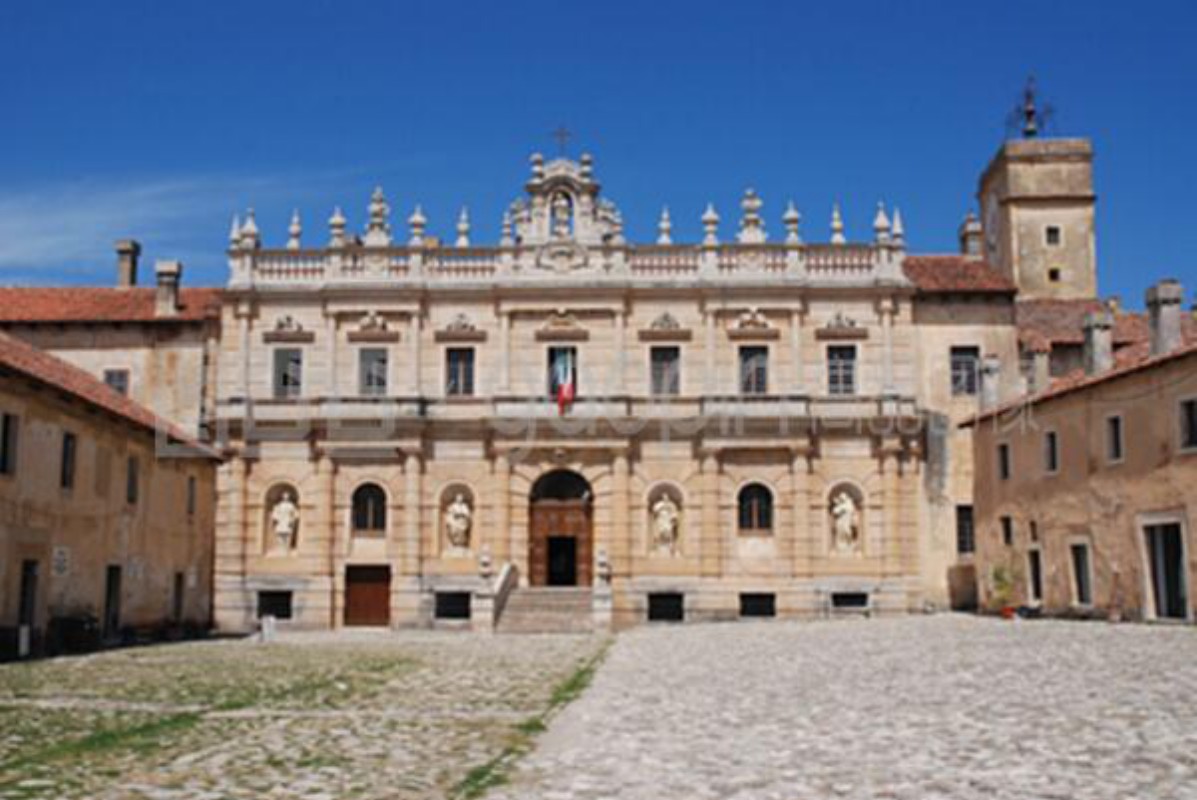
Career options after graduation are quite broad. The most direct paths lead to jobs in banking, consulting, or the Big Four accounting firms. Because the curriculum provides extensive training with data analysis models, graduates are also well-positioned for roles as data analysts. Of course, many also choose to pursue further studies, such as a master’s or a PhD in Economics from a Spanish university, to later work in international organizations or academia. To find a program that suits you, you can research various Spanish universities for Economics. All in all, it’s a very easy very challenging but rewarding major. Are there any other economics students here? Feel free to share your experiences and join the discussion!
