As someone relatively new to Spain, I’ve recently seen discussions in some online groups suggesting that hospital mortality rates here seem quite high, especially after the pandemic. Honestly, it sounds a bit unsettling, since we all need to interact with the healthcare system at some point. To get to the bottom of it, I’ve looked into some data and combined it with friends’ experiences to discuss this topic and hopefully alleviate some unnecessary panic.
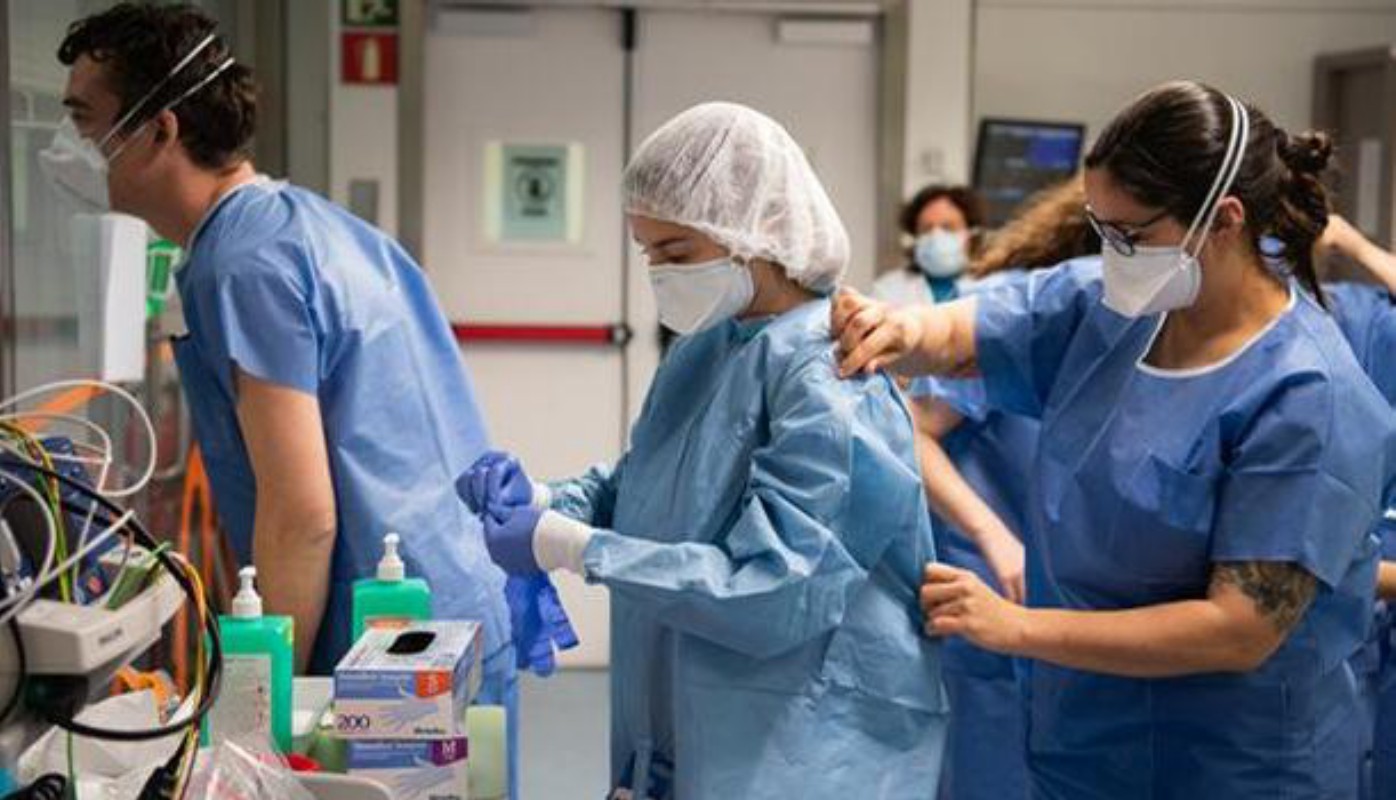
First, we need to understand a concept called ‘avoidable mortality.’ This metric doesn’t count everyone who dies in a hospital, but specifically refers to cases where death could have been prevented with timely and effective medical intervention, like when seeing a doctor in Spain. Using this standard provides a more scientific way to measure a country’s healthcare system quality. According to data from the Spanish Ministry of Health and the National Statistics Institute, Spain’s rate for this metric is actually in the lower-middle range among EU countries, meaning its medical quality is quite good, if not better than average.
What Does the Data Say?
I looked into recent data reports on the Spanish hospital death toll. While healthcare systems worldwide were under immense pressure during the pandemic, causing short-term fluctuations in mortality rates, the long-term trend shows that Spain’s medical safety and efficiency are reliable. For instance, the success rate for treating common emergencies like heart attacks and strokes has consistently been among the best in Europe. You can refer to the simplified data comparison below. I compiled this from several reports, using the kind of official data that also informs procedures like a death certificate inquiry:
| Disease Type | Spain’s Success Rate | EU Average |
|---|
| Acute Myocardial Infarction | Approx. 92% | Approx. 89% |
| Ischemic Stroke | Approx. 88% | Approx. 85% |
Data provides a macro view, but individual patient experiences can vary greatly. A friend of mine once went to a public hospital’s emergency room in the middle of the night for acute appendicitis. Although the wait was indeed long, he was scheduled for surgery immediately after diagnosis. The entire process was very professional, and his post-op recovery was excellent. He felt the doctors and nurses were very responsible. However, I’ve also heard complaints about long waits for family doctor appointments or waiting several hours in the ER for non-critical conditions. This is a common phenomenon in Spain’s public healthcare system—it may not be efficient, but its ability to respond to and handle critical emergencies is very strong.
I believe there’s no need to be overly anxious about Spain’s hospital mortality rates. The core medical technology and staff expertise here are solid, especially for critical and emergency cases. For us, the most important thing is to understand the local healthcare procedures, such as how to register with a family doctor, how to navigate the emergency room, and how to use private insurance. When health issues arise, seek medical attention promptly and communicate your condition clearly to the doctor. Instead of scaring ourselves, it’s better to learn some practical healthcare knowledge to be prepared. Do you have any personal experiences with the healthcare system in Spain? Feel free to share and discuss in the comments below to help others!
