As someone new to Spain, the thought of getting sick and needing to go to the hospital was my biggest fear. I’d always heard that public healthcare in Spain is free, but I was never clear on what ‘free’ really meant. Last week, I suddenly came down with acute gastroenteritis in the middle of the night—vomiting, diarrhea, the works. I couldn’t handle it, so my roommate helped me get to the emergency room (ER) at the nearest public hospital. Today, I want to share this nerve-wracking experience to help others who might have the same questions.
The hospital’s ER waiting area was quite busy. The first step was to check in at the reception desk. The nurse asked about my symptoms and requested my health card and ID. She was very nice throughout the process and didn’t treat me differently for being a foreigner. If you don’t have a Spanish health card but have certain private insurance plans or a European Health Insurance Card (EHIC), they can usually process it, though it might be more complicated. For those of us with legal residency and social security contributions, the TSI (Tarjeta Sanitaria Individual) is the most important document.
After checking in, it’s time for triage. A nurse will call you into a small room, measure your temperature and blood pressure, and ask detailed questions about your symptoms. They assign a color code based on the severity of your condition—for example, red for critical, orange for urgent, and green for non-urgent. I was classified as yellow, meaning I needed attention soon but wasn’t in life-threatening danger. And then… came the long wait. Honestly, the efficiency of Spanish public hospitals can’t compare to those in my home country, especially for non-life-threatening emergencies. I waited for nearly two hours to see a doctor. This seems to be the trade-off for what some call a Spanish free lunch.
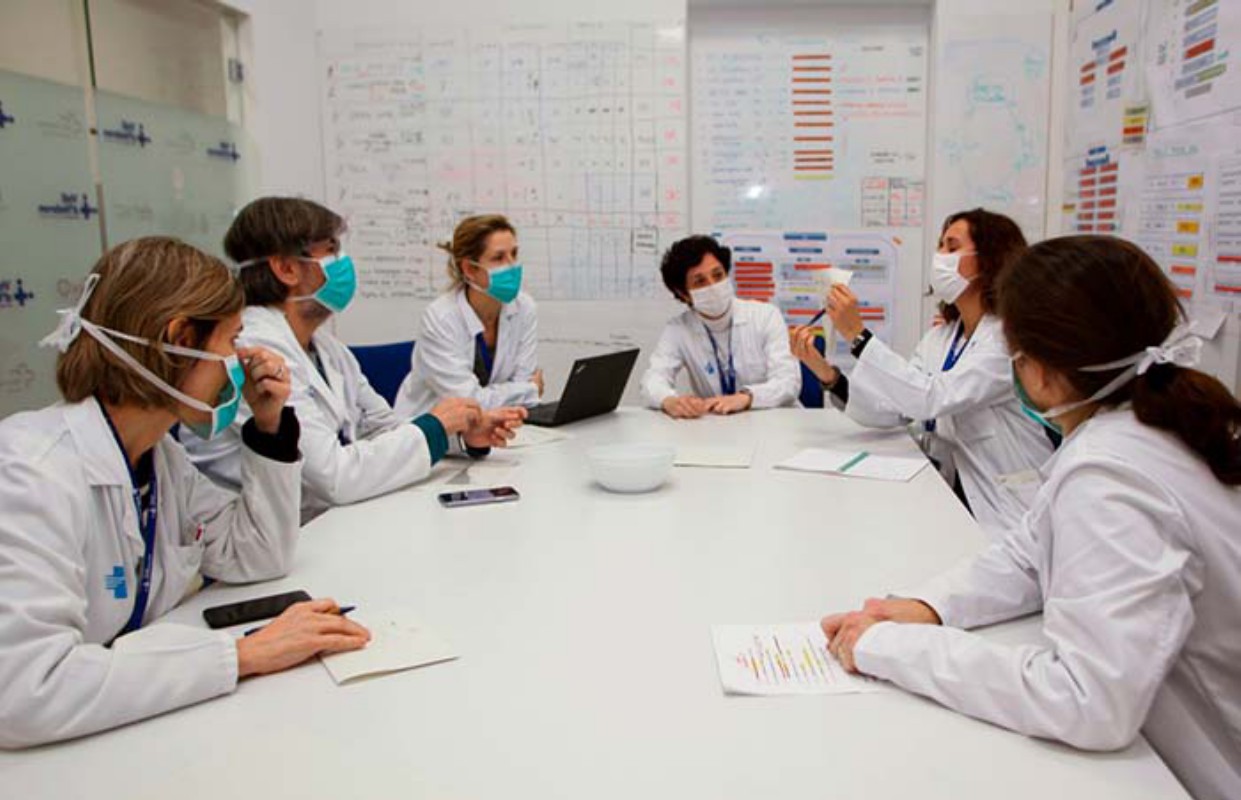
When I finally saw the doctor, he was very patient, asked about my condition, and performed an abdominal examination. Suspecting a bacterial infection, he ordered a blood test right away. It took about another hour for the results to come back. I was diagnosed with acute gastroenteritis and was put on an IV drip with saline and anti-nausea medication. The whole process of seeing a doctor in Spain took over four hours. During this time, doctors and nurses would occasionally check on me. After the drip finished, I felt much better. The doctor wrote me a prescription and gave me some dietary advice.
Finally, the question everyone is most curious about: the cost. From registration, triage, doctor’s consultation, blood tests, to the injection and IV drip, I didn’t pay a single cent
! I took the prescription to a pharmacy to buy the medication, where I did have to pay a small portion of the cost myself. This experience gave me a real taste of the benefits of Spain’s public healthcare system. Although the long waiting times are a common issue, it truly provides a fundamental safety net for serious or urgent medical conditions.
Key Takeaways for Using Public Hospitals
To make things easier for everyone, I’ve compiled a simple table outlining the key points for seeking medical care in different situations. It’s a general overview, not to be confused with specific programs like the [Cheque Servicio]
.
| Situation | Key Documents | Cost Details |
|---|
| Emergency Room (ER) | Health Card / Residence Permit | Consultation, tests, and hospitalization are free; partial payment for prescriptions. |
| GP/Outpatient Visit | Health Card | Requires booking an appointment with your family doctor; consultation is free. |
| Private Hospital | Private Health Insurance Card | Payment depends on your insurance coverage. |
As long as you have legal residency status, contribute to social security, and have obtained your health card, you can indeed enjoy extensive free services at Spanish public hospitals. Of course, if you value efficiency and a more comfortable environment, getting private health insurance is an excellent supplement. I hope everyone in Spain stays healthy and never needs to use this post!
