When I first came to Spain, I always thought ambulances were only for emergencies and must be expensive. It wasn’t until a friend of mine, who has mobility issues and needs regular physiotherapy, told me about it that I discovered something amazing: the Spanish public healthcare system offers a free non-urgent transport service. It was a real eye-opener!
This service is primarily intended for patients who, due to medical reasons or limited mobility, cannot use regular public transport or a private car to get to the hospital for non-urgent treatments or follow-up appointments. Unlike getting free meals in Spain, this is for specific medical transport needs. For example, it’s for people who need rehabilitation, dialysis, chemotherapy, radiotherapy, or for elderly individuals with significant mobility issues attending specialist appointments. It’s not for emergencies, so don’t rely on it in a sudden critical situation! For that, you should always call 112 without hesitation.
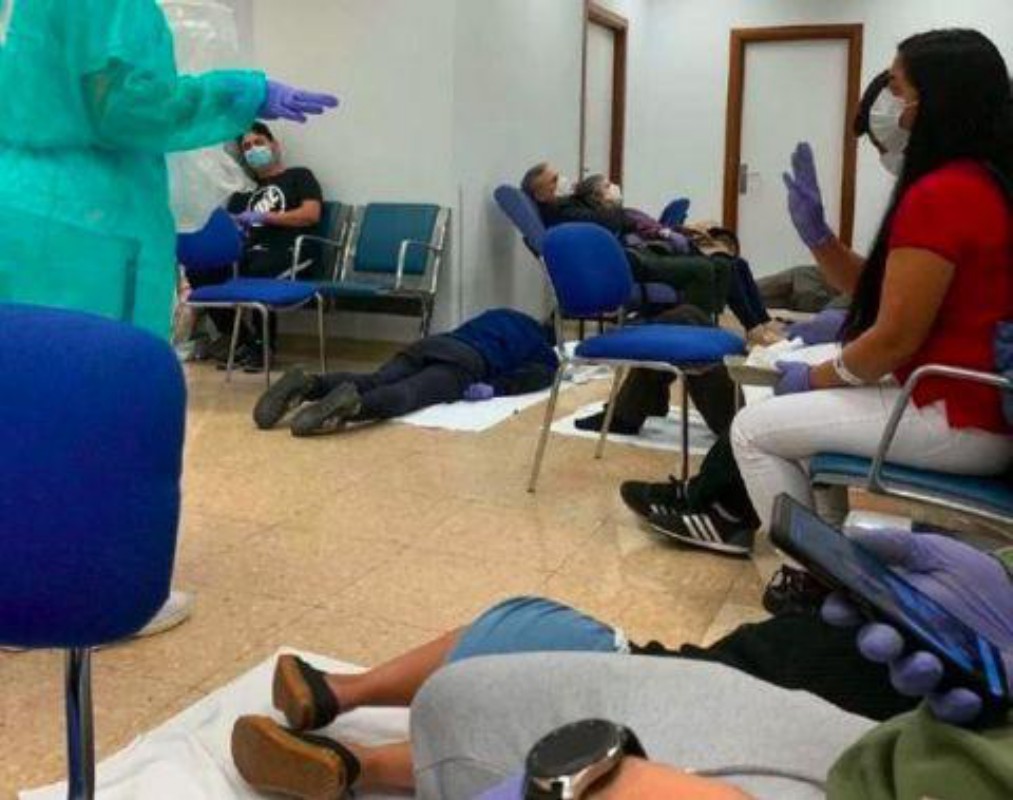
Applying for this service is not complicated; the key is to have your family doctor or specialist assess your situation. You need to proactively communicate your circumstances and explain the difficulties you face traveling to and from the hospital. If the doctor agrees that your condition meets the criteria, they will issue a medical order in the system to authorize the service. Afterward, the hospital or a dedicated dispatch center will arrange for a vehicle to pick you up based on your appointment schedule.
Application Process and Key Points
Who Can Apply?
In short, it’s for patients who are “unable to use ordinary means of transport for medical reasons.” The specific criteria may vary slightly between autonomous communities, but the core principle revolves around mobility and medical need. I’ve created a simple table below to make it clearer:
| Eligible Situations | Ineligible Situations |
|---|
| Regular dialysis | Common cold or flu appointment |
| Rehabilitation/Physiotherapy | Able to drive or use public transport |
| Weakness after chemotherapy/radiotherapy | Simply want to avoid taxi fares |
| Elderly person unable to walk independently for a follow-up | Friends or family are available to drive |
Key Steps
- Talk to your doctor: This is the most crucial step when it comes to seeing a doctor in Spain! Be proactive in explaining your transportation difficulties.
- Doctor’s assessment and authorization: The doctor will handle the authorization within the medical system. You typically don’t need to manage any paperwork yourself.
- Wait for the dispatch center to contact you: They will usually call or text you a day in advance to confirm the pickup time and location.
- Be ready at the agreed location on time: The vehicle might be a minibus or a dedicated car similar to a taxi, often shared with other patients, and is sometimes related to the Cheque Servicio system.
This service is incredibly considerate and significantly eases the burden on patients and their families. It’s fair to say that Spain’s public healthcare benefits are very well-thought-out in these details. Of course, this is a public resource, so it’s important to apply based on genuine need and never abuse the system. I hope this information is helpful to those who need it!
