Recently, an elderly member of my family was hospitalized for a week in a public hospital due to pneumonia. The process wasn’t overly complicated, but we did encounter a few hurdles. I thought I’d share our experience here, as it might be helpful for others who could face a similar situation. Hopefully, it can serve as a heads-up or a useful reference. I also welcome anyone with experience to join the discussion and add their insights.
# The Medical Process: From the Emergency Room to Hospital Admission
We first went to our local GP (General Practitioner), but my family member was already experiencing rapid breathing. The GP immediately gave us a referral to go to the hospital’s emergency room (Urgencias). Upon arrival, a nurse at the triage desk assessed the severity of the symptoms. We were assigned an orange priority level, and the wait wasn’t too long. After a consultation with the doctor and an X-ray, they quickly diagnosed it as bacterial pneumonia requiring hospitalization. The entire process, from entering the ER to being admitted, took about 5-6 hours, which is apparently considered fast for a public hospital in the Community of Madrid.
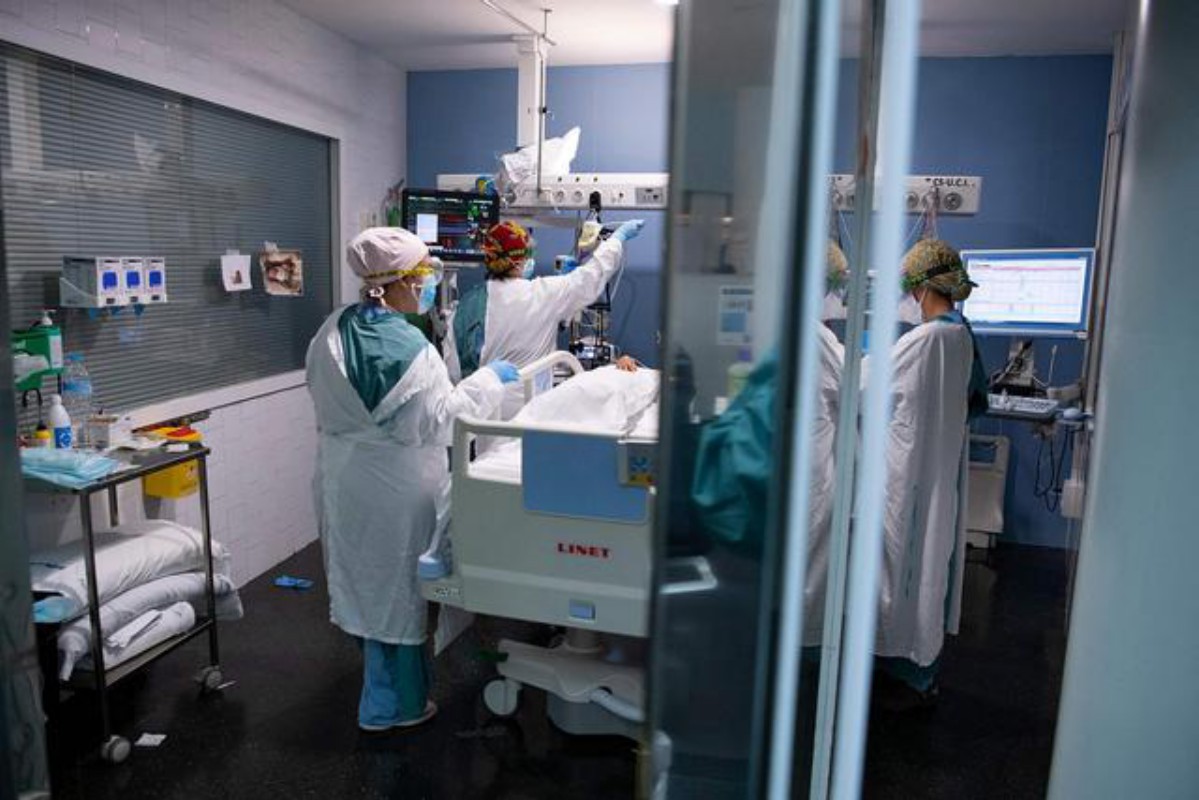
# Treatment and Medication: Antibiotics are Key
After admission, the main treatment was intravenous antibiotics. The doctors select the most effective antibiotic based on blood tests and sputum culture results. There was a small hiccup related to the recent rise in [pneumonia cases in Spain]; the initial antibiotic used for the first two days wasn’t very effective, and my relative’s fever wouldn’t go down. After we communicated this to the doctor, they immediately adjusted the medication plan and switched to a more potent antibiotic, and the condition started to improve. Therefore, it’s crucial to communicate any changes in the patient’s condition to the doctors. They are very busy, but they will answer your questions patiently if you ask. Don’t feel hesitant—your family member’s health is at stake.
# Accompaniment and Visiting: What You Need to Know
The policies for accompanying patients in public hospitals are much more relaxed now than during the pandemic, but there are still some rules. For example, in our hospital, only one family member was allowed to stay overnight. While daytime visiting hours were quite flexible, it was recommended not to have more than two visitors in the room at once. The room included a sofa that converts into a bed for the accompanying person, but you need to bring your own blanket and pillow. As for meals, the hospital provides nutritional meals for the patient, but the accompanying family member has to sort out their own food, either by going to the hospital cafeteria or ordering delivery.
| Item | Provided by Hospital for Pneumonia in Spain | To be brought by family |
|---|
| Patient meals | ✓ | ✗ |
| Companion’s bed | ✓ | ✗ |
| Companion’s bedding | ✗ | ✓ |
| Toiletries | ✗ | ✓ |
| Bottled water/snacks | ✗ | ✓ |
This hospitalization experience for [seeking medical care for pneumonia in Spain] has given me a more direct understanding of Spain’s public healthcare system. The pros are that the core medical treatment is free and professional, with very responsible doctors and nurses. The cons are the lack of non-essential services, such as daily life conveniences, which are quite limited, requiring family members to be very hands-on. I hope my family member makes a full and speedy recovery, and I wish everyone good health so you’ll never need this advice!
