I’m based in Madrid, and I don’t know if you’ve noticed, but there seem to be a lot of people coughing and catching colds lately. Last week, a family member had to go to the ER for pneumonia, and we were shocked by what we saw. It was the most crowded I’ve ever seen a hospital in all my years in Spain.
We went to the emergency room at La Paz Hospital. The waiting area was completely full, with the sound of coughing everywhere, and many people were left standing. The triage nurse was incredibly busy and, after a preliminary check, told us that it’s the peak season for the flu and various respiratory diseases, and the ER has been at full capacity for weeks. We waited from evening until the early morning hours to finally get a bed. The whole process was exhausting. A doctor also admitted that the wards are full, the medical staff is under immense pressure, and they’ve even set up temporary beds in the hallways.
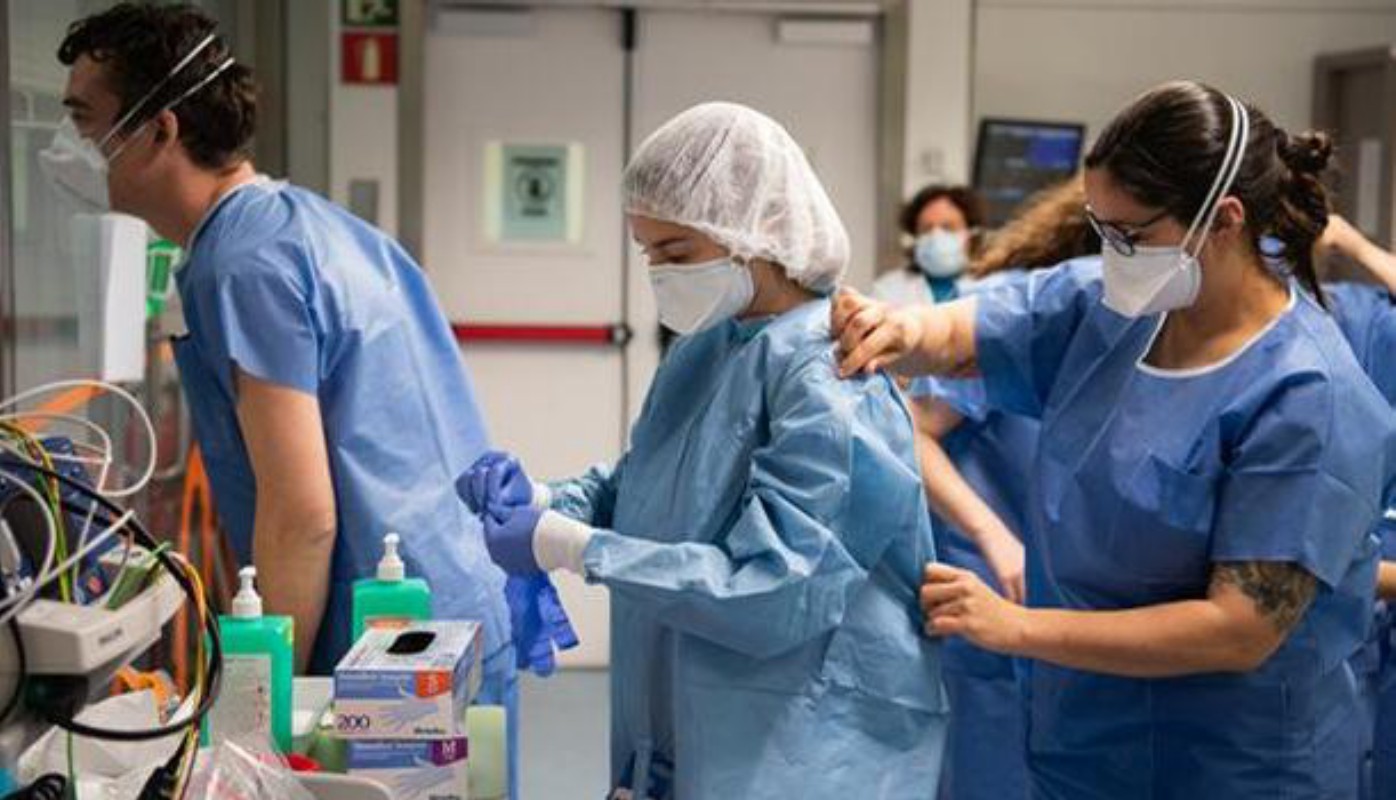
How to Cope with the Current Healthcare Surge
This experience with Spanish hospital wards made me feel it’s necessary to remind everyone, especially those with elderly family members or young children. Going to the hospital now not only means long waits but also a very high risk of cross-infection. So, when it comes to hospital beds in Spain, prevention is absolutely key
!
Personal Protection and Medical Advice
Based on my experience visiting a patient in Spain
and the doctor’s advice, I’ve put together some useful information that I hope will help:
- Avoid the ER for mild symptoms: If you just have common cold symptoms like a runny nose or a mild sore throat without a persistent high fever or difficulty breathing, it’s best to first make an appointment with your family doctor at a local health center (centro de salud). This leaves emergency resources for those who truly need them and saves you from long waits and potential cross-infection.
- Practice good personal hygiene: Wash your hands frequently, especially after being in public places. Under the current circumstances, wearing a mask in crowded indoor spaces like the metro or on a bus is definitely a good habit.
- Boost your immune system: Ensure you get enough sleep, eat a balanced diet, and drink plenty of water. It might sound cliché, but it’s genuinely the most effective way to fight off viruses.
- Consider vaccination: If you haven’t gotten your flu shot yet, you might want to consider it. While it doesn’t guarantee 100% protection, it can significantly reduce the risk of severe illness.
Here’s a simple table to help you decide when to go to the emergency room. Of course, this is just a guide, and you should decide based on how you feel. If you experience difficulty breathing, you must go to the ER immediately!
| Symptom Type | Recommended Place for Care |
|---|
| Mild cough, runny nose, no fever | Rest at home / Consult a pharmacy |
| Persistent low-grade fever, sore throat, body aches | Book an appointment with your family doctor |
| Persistent high fever, difficulty breathing, chest pain | Go to the hospital ER immediately |
I hope everyone stays healthy and gets through this flu season smoothly. I also hope our frontline healthcare workers get more support—they are working incredibly hard. Stay healthy and virus-free
!
