Recently, while out for dinner with friends, the conversation turned to seeing a doctor in Spain, and I noticed everyone had the same complaint—the waiting time for an appointment at a public hospital is just too long! One friend needed a routine specialist check-up and their Cita (appointment) was scheduled for over six months later, which is just absurd. This made me want to share some of my own observations and feelings about the current state of Spanish hospitals, and I welcome everyone to add their thoughts and join the discussion.
Public Healthcare: The Free Lunch You Have to Wait For
Spain’s public healthcare system has wide coverage. As long as you are registered with social security, consultations, tests, surgeries, and hospital stays are generally free. This is its biggest advantage. But the disadvantage is just as prominent: it’s “slow”. Except for emergencies, any specialized examination or visit to a specialist requires a referral from a family doctor (GP), followed by a long wait. This “slowness” is systemic. From booking an appointment with your GP to seeing a specialist, and then arranging further tests or surgery, each step can take weeks or even months. I once needed to see a dermatologist for a skin allergy. From scheduling with my GP to finally seeing the specialist, it took almost three months. By the time I got the appointment, my allergy had almost cleared up on its own… It’s honestly a bit comical.
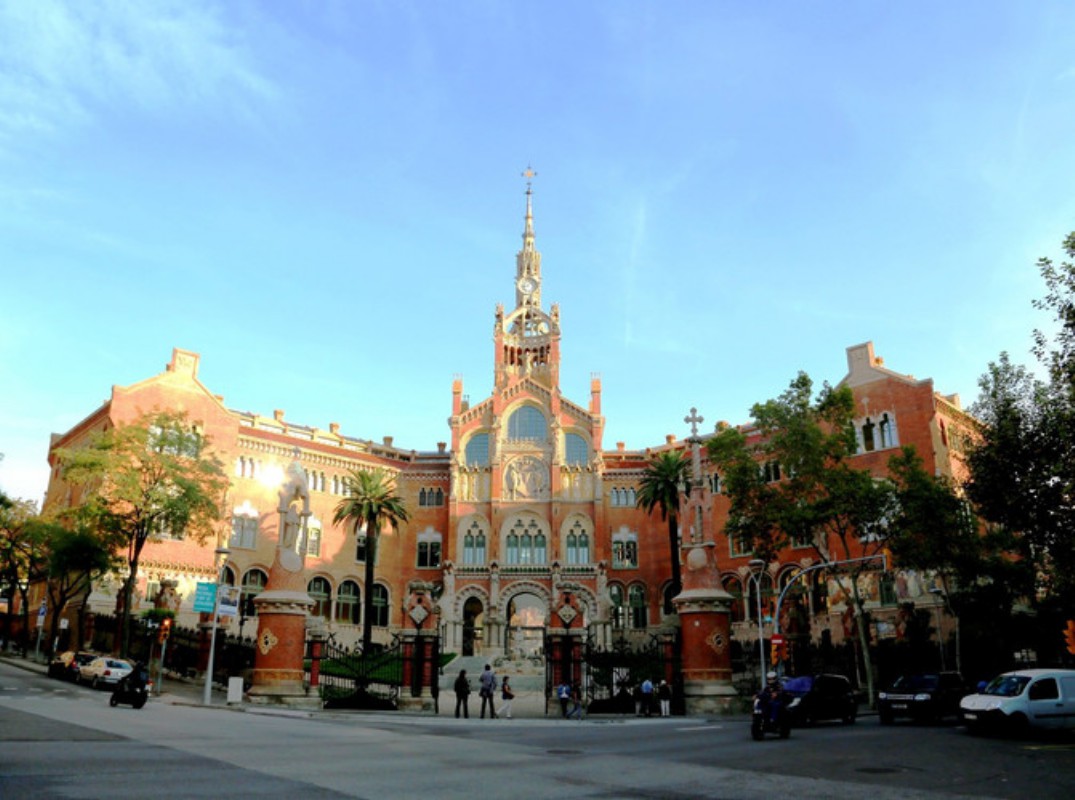
Private Healthcare: Trading Money for Time
In stark contrast to the public system is private healthcare. When you consider the current state of healthcare professionals in Spain, it’s understandable why many opt for private insurance, as the experience improves dramatically. The biggest advantages of private hospitals are “speed” and “good service.” You can book appointments directly with specialists without a referral from a GP, and the waiting time is usually very short—often just a few days. The hospital environment is generally better than in public facilities, and doctors and staff are more patient. Of course, all of this is based on “money.” You either pay per visit, which can be expensive, or purchase a health insurance plan costing anywhere from tens to over a hundred euros per month. For those who value efficiency or have specific medical needs, buying a suitable private insurance plan is indeed a great option. However, be aware that not all private insurance plans cover everything; services like dentistry and psychotherapy often require additional coverage.
| Features | Public Hospitals | Private Hospitals |
|---|
| Cost | Free | Paid or via private insurance |
| Appointments | Requires GP referral, long waiting times | Direct specialist booking, fast |
| Service | Standard, often crowded and noisy | Attentive service, comfortable environment |
| Coverage | Comprehensive for basic medical care | Depends on the insurance plan, some services require extra payment |
Spain’s healthcare system is a trade-off between “free” and “efficient.” The public system provides a basic safety net for everyone; it’s slow but reliable, suitable for non-urgent chronic conditions and routine check-ups. The private system, on the other hand, allows you to trade money for time and higher-quality service, making it ideal for those who need prompt care or more personalized services. Personally, I think if your budget allows, it’s worth considering a basic private insurance plan as a supplement. You can use it for minor issues to save time and hassle, while still relying on the public system’s resources and authority for major health problems. What’s your approach? Feel free to leave a comment below and share your thoughts and experiences!
