Chatting with friends recently, there’s a general consensus: seeing a doctor in Spain, especially at a public hospital, involves increasingly long waits. An emergency room (ER) wait of three or four hours used to feel long, but now six or seven hours seems to be the new normal. The same goes for booking a family doctor (GP). It used to be a week’s wait, but now it can easily be two or three weeks. It’s becoming a real headache.
I wonder if anyone else feels the same? I’ve done some research recently and, combined with my own experiences, I wanted to talk about the real situation in Spanish hospitals today. Hopefully, this can serve as a useful reference for newcomers to Spain.
The Public Healthcare System: Under Enormous Pressure
To be honest, Spain’s public healthcare system has a fantastic foundation—it’s universal, mostly free, and staffed by professional doctors. The problem is the immense pressure it’s currently under. Post-pandemic, there’s a huge backlog of non-urgent surgeries and check-ups. Combined with issues like staff shortages and tight budgets, the system’s efficiency has noticeably dropped. The most immediate effects are:
- Longer ER Wait Times: For non-life-threatening emergencies, like a fever or gastroenteritis, the wait is generally very long.
- Difficulty Booking Specialists: Getting a referral from a GP to a specialist, such as a dermatologist or ophthalmologist, can mean waiting several months or even over half a year.
- Overburdened GPs: Each family doctor is responsible for too many patients, causing their schedules to be fully booked and making it hard to get an appointment in the near future.
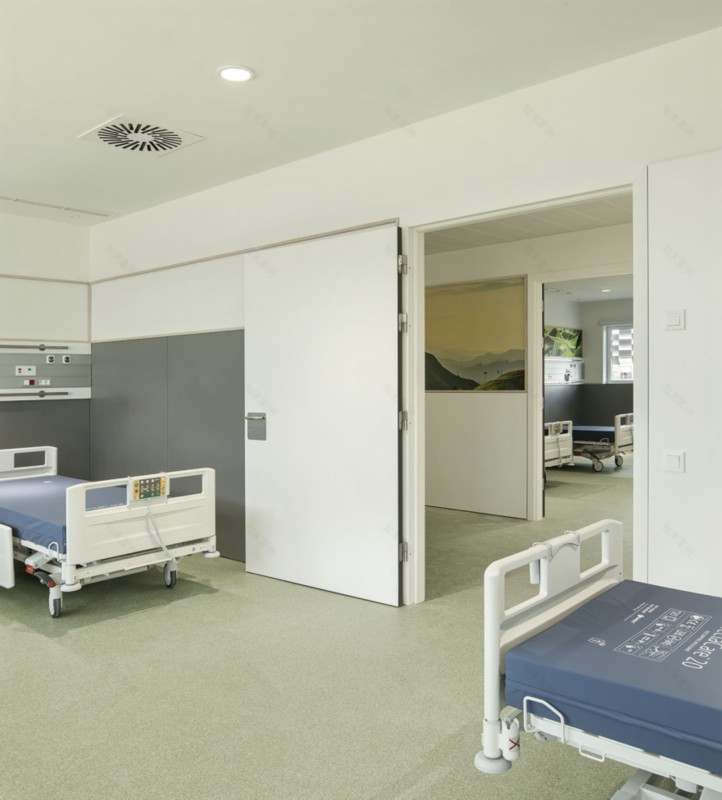
Public vs. Private: A Quick Comparison Table
Faced with the ‘slowness’ of the public system, many people are starting to consider private health insurance. I got it myself, mainly for the convenience and speed. Here’s a simple comparison to give you a clear idea:
| Item | Public Hospitals | Private Hospitals |
|---|
| Cost | Mostly free | Requires monthly/annual insurance premiums |
| Appointment Speed | Slow, especially for specialists | Fast, direct specialist booking possible |
| Coverage | Comprehensive, including major illnesses and surgeries | Depends on the insurance plan; some may exclude major surgeries or specific conditions |
| Patient Experience | Long wait times, standardized service | Short wait times, often better environment and service |
| Emergencies | Strong ER capabilities for critical cases | Most private hospitals have ERs, but major incidents may be transferred to public hospitals |
My Recommendation
If you are healthy, don’t have any major conditions, and are not in a hurry, the public healthcare system is perfectly adequate. After all, it still excels at handling critical emergencies and complex diseases. But if you’re like me, and your time is valuable or you often need non-urgent specialist care, then getting a basic private insurance plan can definitely improve your quality of life. It’s a worthwhile investment to bypass the long waits, a problem linked to the current situation for healthcare workers in Spain. For a few dozen euros a month, you save countless hours of queuing and waiting—it’s quite a bargain. Of course, if money is no object, feel free. I hope this post is helpful, and I welcome you all to share your own experiences with getting medical care in Spain
!
