Not long after I arrived in Spain, a family member had a sudden appendicitis attack in the middle of the night. We were terrified and immediately called an ambulance to the nearest public hospital. Looking back on the whole process now, aside from the anxiety we felt about seeing a doctor in Spain, what struck me the most was—this hospital had no cashier’s office at all!
From the moment we entered the emergency room, doctors and nurses were busy with all sorts of exams, lab tests, and scans, then confirming the diagnosis and scheduling surgery. The whole process was very professional and quick, but no one mentioned money to us at all. Being used to the system back home where you pay for registration, pay for tests, and pay for medication, we were quite on edge, wondering if we’d be handed a sky-high bill upon discharge.
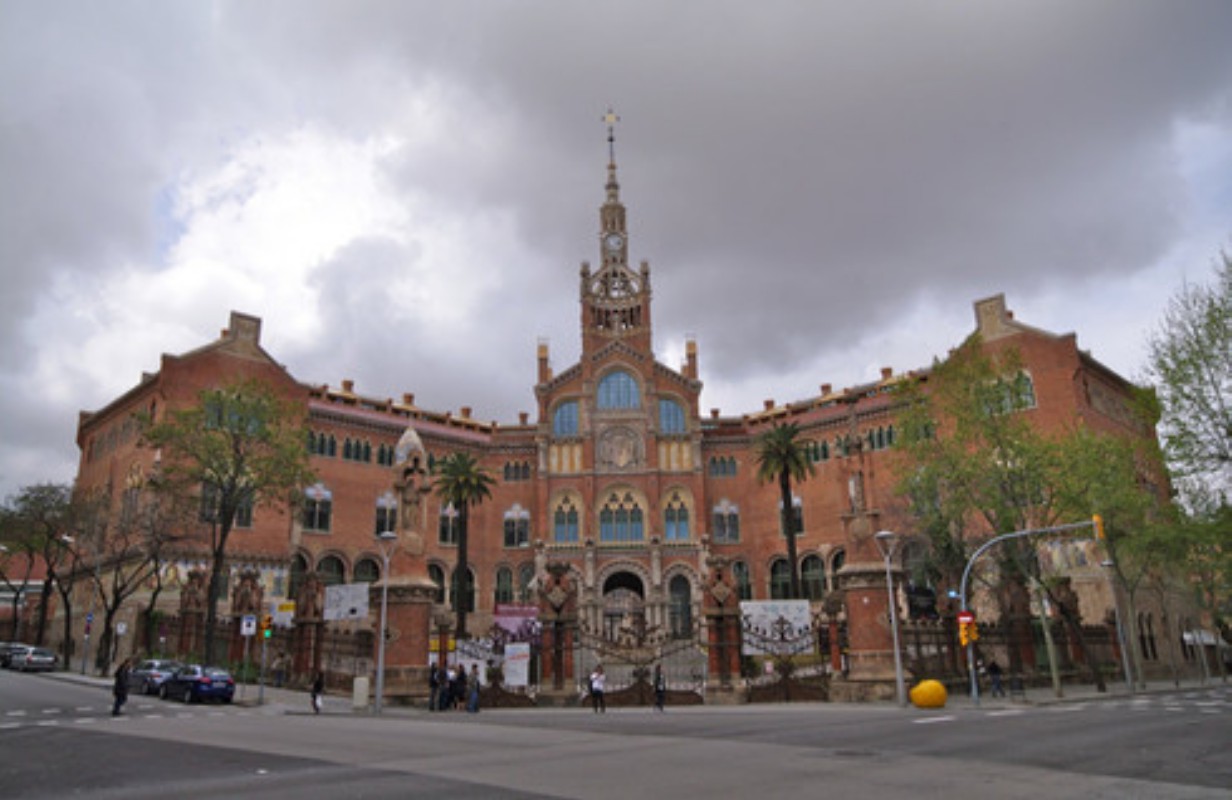
Later, the surgery went well, and my family member stayed in the hospital for a few days for observation. During this time, the costs for the hospital stay, surgery, medicine, and even the three meals a day were still never brought up. It wasn’t until we were processing the discharge that a nurse gave us a pile of discharge summaries and medication instructions, told us what to do for recovery at home, and then… just sent us on our way! I couldn’t help but stop a nurse and ask, “Disculpe, ¿dónde pagamos?” She looked at me with a surprised expression and said with a smile, “Nada, no tienes que pagar nada.”
Why are Spanish public hospitals free of charge?
This experience was a real eye-opener for me. I later learned from friends who have lived here for a long time that as long as you have a legal residency and are properly contributing to social security, you are entitled to healthcare in Spain and can apply for a personal health card (tarjeta sanitaria). With this card, almost all services within the public healthcare system—from major illnesses to minor ones, outpatient to emergency visits, or surgery and hospitalization—are essentially free. This ‘free’ service is actually funded by our monthly social security contributions, which covers the [hospital fees in Spain].
When might you need to pay?
“Free” isn’t absolute, though. For example, when you buy prescription drugs from a pharmacy with a doctor’s prescription, you have to co-pay a portion of the cost. The exact percentage varies depending on your income and retirement status. Even so, it’s much cheaper than the full price. Additionally, if you opt for a private hospital or don’t have a health card, you’ll need to pay for the medical expenses yourself or get them reimbursed through private health insurance.
| Service | Public Healthcare System | Private Healthcare |
|---|
| Outpatient/Emergency | Free | Paid or covered by private insurance |
| Hospitalization/Surgery | Free | Paid or covered by private insurance |
| Routine Check-ups | Free | Paid or covered by private insurance |
| Prescription Drugs | Small co-payment | Full price or reimbursed by private insurance |
This experience gave me a much clearer understanding of the Spanish healthcare system. Although people often complain about the long waiting times for appointments in public hospitals, I must say that when it comes to serious emergencies, the system really provides a great sense of security. Has anyone had a similar experience? Let’s share and discuss!
