For those new to Spain, have you ever felt a bit lost when visiting a hospital or emergency room for the first time? Seeing staff in various colored uniforms coming and going, apart from being able to identify doctors based on Spanish hospital rankings, it can be hard to tell who is a nurse and who is a nursing assistant. What are their specific responsibilities? Today, let’s dive into this topic to help anyone with the same confusion.
Doctors, Nurses, and TCAEs: More Than Just Different Uniforms
In Spain’s public healthcare system, medical staff in different roles usually wear different colored uniforms. Although the specific colors may vary by autonomous community or hospital, their duties are very clearly defined. In short:
Doctors (Médicos): They are the easiest to recognize, typically wearing white coats. They are the core figures responsible for diagnosis, writing prescriptions, creating treatment plans, and performing complex medical procedures. When we see a doctor, we are primarily communicating with them about our condition.
Nurses (Enfermeros/as): These are healthcare professionals with a university degree in nursing. Their responsibilities are extensive, including giving injections, administering IV fluids, changing dressings, managing medication, monitoring vital signs, carrying out doctor’s orders, and providing health education. During a hospital stay, you’ll likely interact with them the most. Their work is highly professional, not the simple “shot-giving, pill-dispensing” role some might assume.
Nursing Assistants (Técnicos en Cuidados Auxiliares de Enfermería, or TCAE): They are the nurses’ capable assistants, having completed professional vocational training. They are mainly responsible for the patient’s basic personal care, such as helping with washing, eating, changing bed linens, taking temperature and blood pressure, and organizing medical supplies. They allow nurses to focus more on specialized medical care.
The Power of Teamwork
I deeply experienced their collaboration when I went to the emergency room for acute gastroenteritis. First, a triage nurse quickly assessed my condition, then a doctor came to diagnose me and order tests. Next, a nurse drew my blood and set up an IV drip. While I was waiting for the results and receiving the infusion, a TCAE very thoughtfully brought me a sickness bag and a blanket, and frequently checked in to see if I was uncomfortable, which made me wonder about doctor salaries in Spain. The whole process was like a well-oiled machine; everyone knew their role, making it busy but organized and highly efficient. This professional division of labor ensures that patients receive more detailed and comprehensive care.
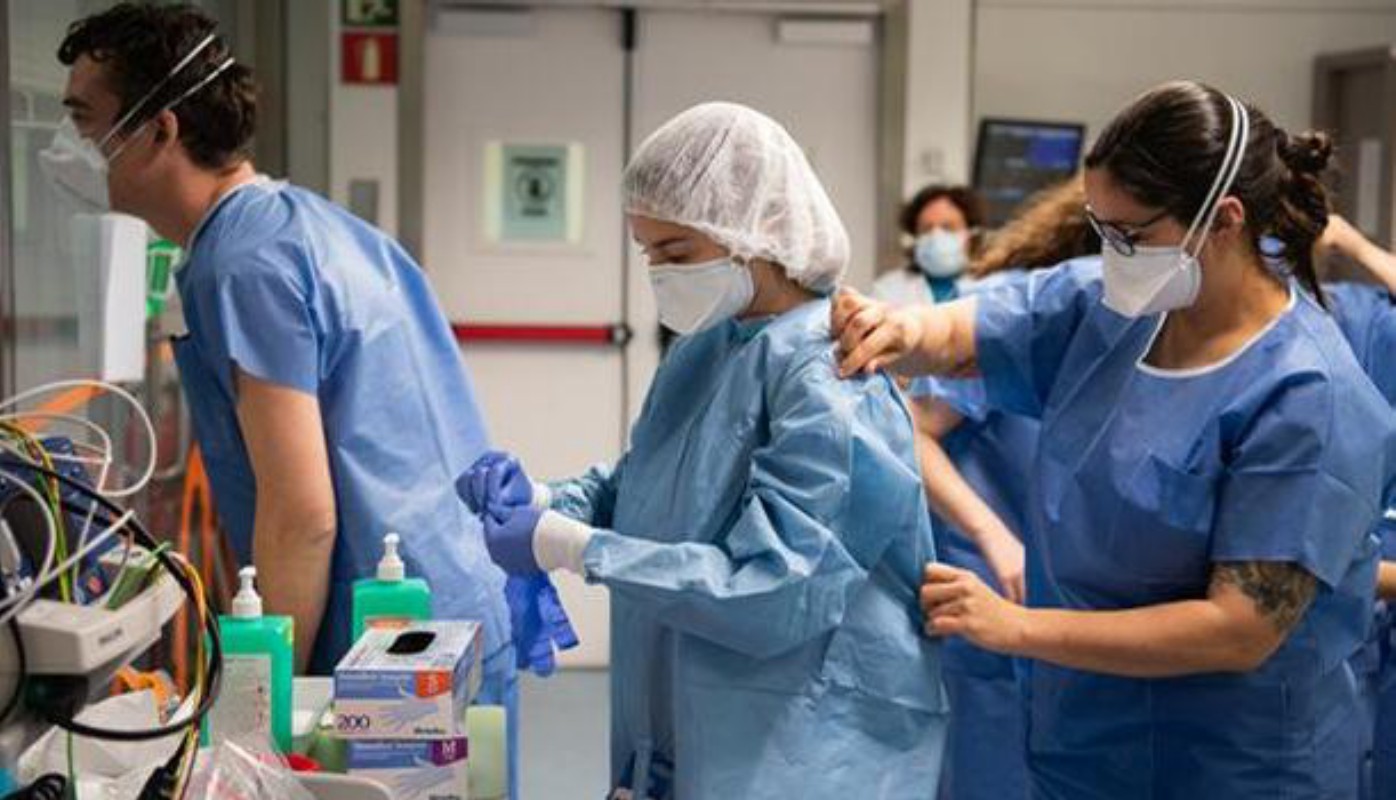
You can look at the simple table below for a more intuitive understanding of their differences:
| Role | Main Responsibilities | Educational Background |
|---|
| Doctor | Diagnosing conditions, creating treatment plans, prescribing medication | University Degree in Medicine |
| Nurse | Executing medical orders, professional nursing care, health education | University Degree in Nursing |
| Nursing Assistant (TCAE) | Basic personal care, assisting nurses, maintaining the environment | Professional Vocational Training |
So, the next time you’re at the hospital and need help with daily living needs, like an extra pillow or adjusting the bed height, you can ask a TCAE directly. If your questions are about your treatment or medication, you should speak with a nurse or doctor. Understanding who’s who not only helps us get assistance faster but also shows respect for their professional work and varying Spanish doctor salaries. If you have any of your own experiences or tips about healthcare in Spain, feel free to share them in the comments below!
