Hello everyone, I’ve been a lurker for a long time, and this is my first post. Something happened in my family recently, and a loved one was suddenly admitted to the hospital’s Intensive Care Unit, or what’s commonly known here in Spain as the UCI. The experience was quite a shock, and there isn’t much information about this in English online, so I wanted to write down my observations and feelings. I hope it can be a reference for anyone in this forum who might need it, and it’s also a way for me to document it for myself.
First Impressions of the UCI
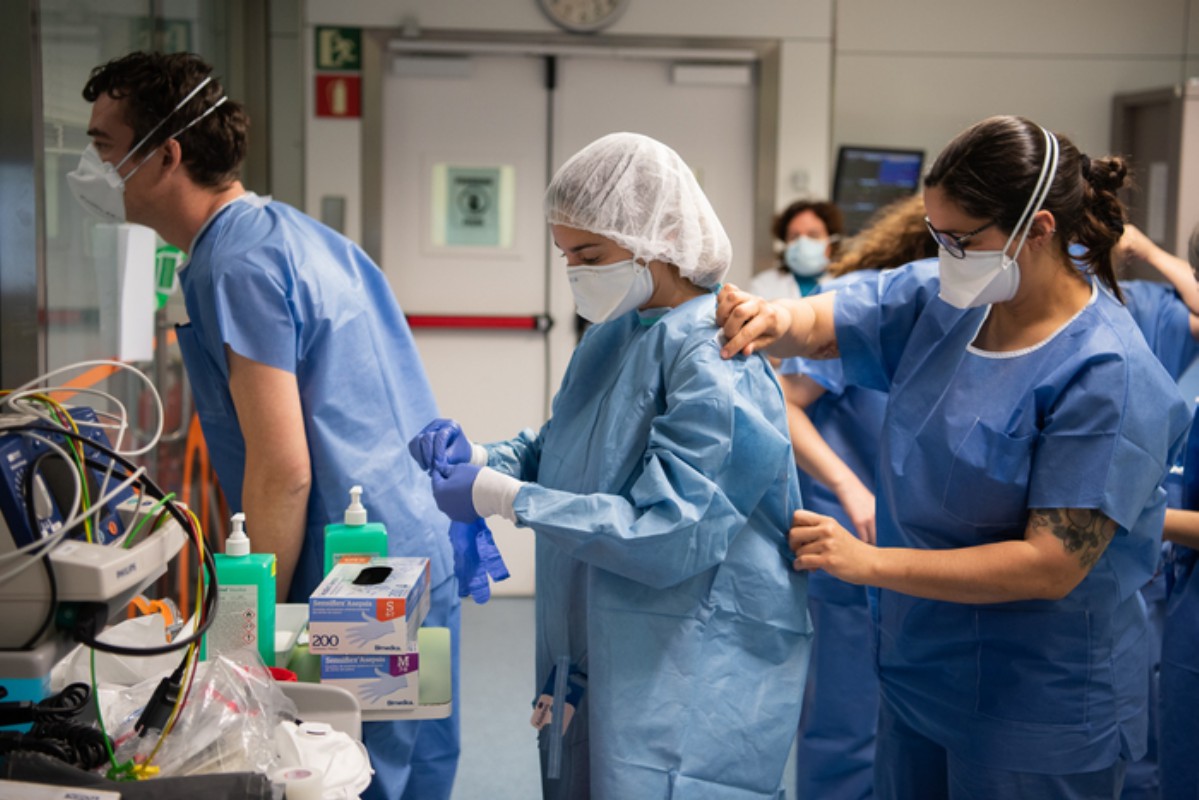
To be honest, my mind went blank the moment I got the call. After rushing to the hospital and walking down a long corridor, we arrived at a closed door labeled “UCI”. The feeling was truly heavy. A nurse confirmed our information over an intercom before buzzing us in. Inside, it was extremely quiet, with only the rhythmic beeping of various machines. Each bed was surrounded by complex-looking monitoring equipment and tubes. The medical staff were all very busy, yet they moved and spoke softly, creating an atmosphere that was both tense and orderly. It was a stark contrast to the often noisy and crowded ICU entrances back home; here, the emphasis on quiet and order is clear, a key aspect of intensive care in Spain.
Visiting Rules and Communication with Medical Staff
The visiting rules in a Spanish UCI are very strict, which is probably what most people are concerned about. At the public hospital we went to, there were only two fixed visiting slots per day. Each visit allowed only one or two family members inside, and the duration for critical care in Spanish hospitals is short, usually about half an hour. Before entering, you must thoroughly clean your hands with disinfectant gel. Every day, before the visiting time, a doctor would gather the families and provide an update on each patient’s condition, the treatments administered, and the plan going forward. They explained everything in great detail and patiently answered all questions, which was very reassuring. Although some medical terms required a moment to process, they tried their best to use simple language, so communication was generally not a major barrier.
While the restrictions on visiting hours and the number of visitors might seem impersonal, in hindsight, it’s clearly to ensure patients get enough rest and to prevent cross-infection. In comparison, some private hospitals might have slightly more flexible rules, but the core principles remain the same. Here’s a brief comparison of the visiting policies in public and private hospitals based on what I learned:
| Aspect | Public Hospital | Private Hospital |
|---|
| Visiting Frequency | Usually 2 times a day, fixed hours | Can be more flexible, some allow all-day visits |
| Number of Visitors | Strictly limited to 1-2 people per visit | May allow 2-3 people, or in rotation |
| Communication Method | Daily doctor briefings at set times | Doctor briefings + on-demand updates from nurses |
| Cost | Covered by public healthcare | Depends on insurance plan, generally higher |
A Note on Costs and Some Final Thoughts
Finally, let’s talk about the cost. We went through the public healthcare system, as we are covered by social security and have a health card. From the emergency room and surgery to the stay in the UCI, all expenses were covered. We didn’t have to pay a single cent out of pocket. This is an immense relief when a family member is critically ill, as you don’t have to worry about astronomical medical bills. This experience gave me a much deeper appreciation for Spain’s public health system. Although you might face long waits for specialist appointments in normal times, during a true life-or-death emergency, it really comes through. I hope my experience can be of some help to you all, and I wish everyone’s families good health. May you never have a reason to visit the UCI.
