An elderly family member wasn’t feeling well recently, so I’ve been to the hospital a few times. Besides noting the less-than-stellar efficiency of Spain’s public hospitals, I also noticed something interesting: the ‘uniforms’ worn by nurses and doctors come in a dizzying array of colors and styles. I used to think it was all just white coats, but now I realize there’s much more to it.
Out of curiosity, I did some research to understand the difference between these colorful ‘pijamas sanitarios’ (medical scrubs) and the more specialized protective gear. Understanding this can help you feel more informed during future hospital visits, knowing what kind of situation you’re in.
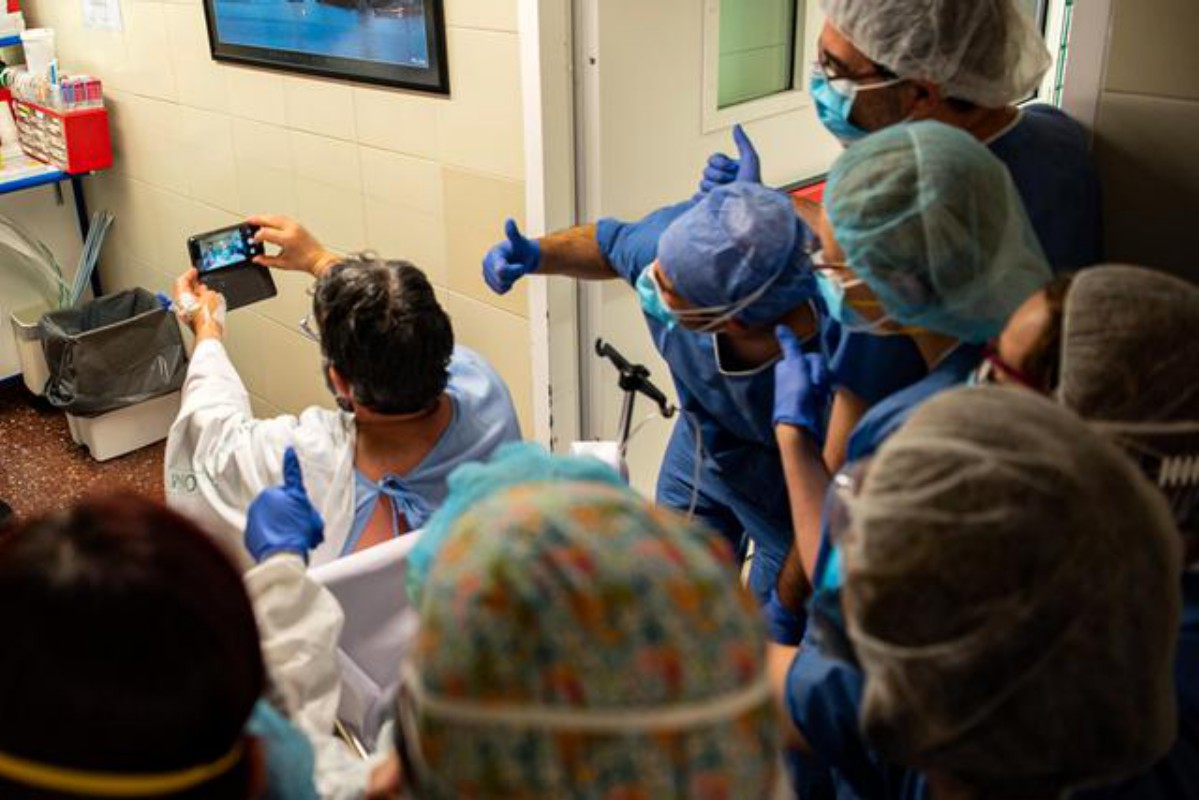
Common Types of Medical Attire
The most common types of attire you’ll see in outpatient clinics and hospital wards generally fall into two categories:
1. Standard Medical Scrubs
These are what you see most often: typically a V-neck, short-sleeved top with matching trousers. They come in many colors like blue, green, white, pink, and even patterned designs. The main purpose of these scrubs is to differentiate departments, maintain cleanliness, and ensure comfort for the staff. While they offer some resistance to dirt, they provide virtually no protection against viruses or bodily fluid penetration. So, if you only see staff wearing these, it usually indicates a relatively safe environment, and there’s no need to be alarmed.
2. Isolation Gowns and Protective Suits
When the situation is more complex, such as entering an isolation ward or performing procedures with an infection risk, medical staff will wear an additional layer over their scrubs. This is where professional Personal Protective Equipment (PPE) comes in. From simple waterproof isolation gowns to the full-body protective suits that became a familiar sight during the pandemic, the levels of protection are completely different. This is true PPE, designed to protect healthcare workers and prevent cross-contamination.
To make it easier to understand, I’ve put together a simple table summarizing the common uses for different types of attire:
| Attire Type | Common Colors | Main Function & Scenarios |
|---|
| Standard Scrubs | Blue, green, white, pink, etc. | Daily consultations, ward rounds, low-risk areas |
| Surgical Gown | Green or blue | Used inside operating rooms; sterile environment, reduces eye strain |
| Isolation Gown | Yellow, blue | Patient contact, protection from fluid splashes, some fluid resistance |
| Full-Body Protective Suit | Mostly white | High-risk environments like infectious disease wards, provides full-body, high-level protection |
By observing the attire worn by healthcare workers, we can roughly assess the risk level of our surroundings. (You may have even seen viral videos of them dancing in their protective suits to lift spirits!) Of course, as visitors, the most important thing is to follow hospital guidelines: wear a mask and wash your hands frequently. I hope this little bit of knowledge is helpful, making future hospital visits less confusing and more reassuring. Here’s to everyone’s health, ¡Salud
!
