Recently, an elderly family member of mine was admitted to the UCI (Unidad de Cuidados Intensivos) of a public hospital in Madrid for a week due to a sudden health crisis. We commonly know this as the ICU, or Intensive Care Unit. It was a physically and emotionally draining time. I decided to write down this experience and the information I gathered to share with friends on this forum. I hope you’ll never need it, but if you do, this might help you be better prepared and feel a little less lost.
Visiting Rules and Communication
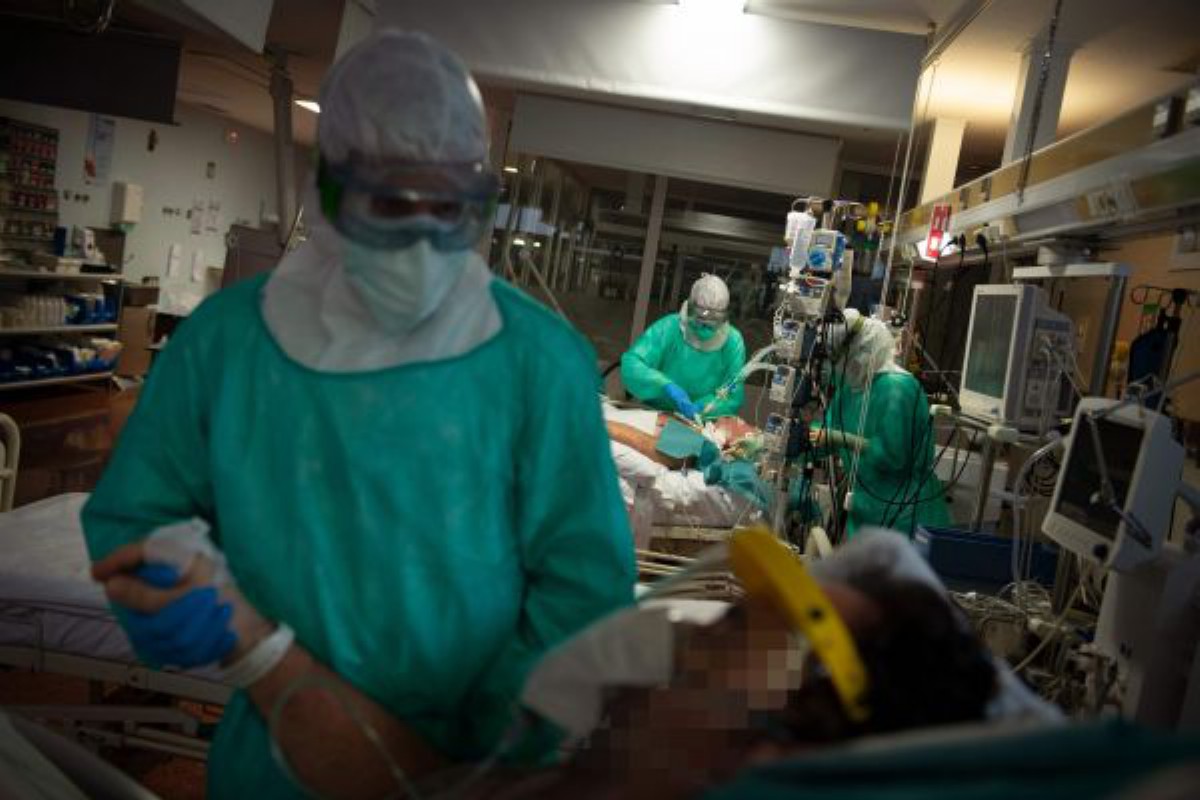
Unlike regular wards, access to the ICU is very strictly controlled. At the hospital we were at, there were only two fixed visiting slots per day, usually around noon and in the evening. Each visit allowed only one or two family members inside for a limited time, about half an hour. Before entering, you must thoroughly wash and disinfect your hands and put on an isolation gown. Mobile phones are strictly forbidden, mainly to avoid interfering with the sensitive medical equipment. The medical staff are all very professional, but since they’re incredibly busy, communication needs to be concise. During each visit, the doctor or nurse on duty would proactively update us on the patient’s condition and the progress of the treatment plan. If your Spanish isn’t very fluent, I recommend bringing a friend who speaks the language well, or writing down your questions on paper using a translation app beforehand to make communication more efficient.
The Cost Issue
Perhaps the biggest concern for many is the cost. It’s a common question about the Spanish ICU. We are covered by public health insurance here (social security), so from the emergency room visit to all the tests, and the entire ICU stay and treatment, all costs were fully covered. We didn’t have to pay anything, not even for medication or meals. This was a huge relief, allowing us to focus on our family member’s condition without worrying about astronomical bills. If you have private insurance, the reimbursement process and coverage details might require direct confirmation with your insurance company, but the public healthcare system provides excellent coverage for major illnesses.
What Family Members Can Do
When a patient is in the ICU, there isn’t much family members can do, other than visiting on time and providing emotional support. Since you can’t be by their side constantly, we spent most of our time in the hospital’s waiting area. It was there we had the chance to talk with other patients’ families, sharing words of encouragement and information, which was a source of comfort. The nurses will give you a contact number, and they will call you immediately if there’s an emergency. Therefore, it’s crucial to make sure your phone is reachable 24/7. You can also prepare some personal items the patient might need that the hospital doesn’t provide, like a specific moisturizing lotion, but be sure to ask a nurse first if you can bring them in and if they can be used.
I’ve put together a simple table of key points for quick reference:
| Item | Key Points |
|---|
| Visiting Hours | Strictly follow hospital rules, usually twice a day |
| Number of Visitors | Generally limited to 1-2 people, no swapping |
| Communication | Use the visiting time to talk to medical staff; prepare questions beforehand |
| Costs | Mostly covered, no need to worry about bills |
| Personal Belongings | No mobile phones during visits; ask a nurse about other items |
Although this experience was harrowing, it gave us a deeper understanding of the Spanish healthcare system. I hope my sharing can be of some help to those who might need it. I also wish everyone’s families good health and peace.
