Recently, I’ve seen some moms on online forums asking about children’s rehabilitation. Since my child went through a period of rehab therapy in a Spanish hospital for some developmental issues, I thought I’d share our experience to help others in need.
Appointments and Choices: Public vs. Private
We initially got a referral from our local pediatrician. If you suspect your child has developmental delays, postural problems, or any other condition requiring rehabilitation, the first step is to see your pediatrician. They will conduct an initial assessment and, if necessary, provide a referral to the rehabilitation department of a public hospital.
The advantage of the public system is that it’s free of charge, but the downside is also very clear: the waiting times are incredibly long. We waited nearly three months just for an assessment, and then another two months to start physical therapy. If the situation is urgent or you want more personalized service, you might consider private healthcare. If you have health insurance, many private clinics and hospitals are covered. Appointments are much faster to get, usually within a week or two. We ended up pursuing both public and private options simultaneously.
What Do the Rehabilitation Programs Include?
Spain’s pediatric rehabilitation system is quite comprehensive. The main types we encountered were physical therapy and occupational therapy. Physical therapists use various games, stretches, and specialized equipment to help improve a child’s motor skills. For example, our sessions included balance exercises on a yoga ball and navigating specific obstacle courses. The therapists are very patient, making the whole process feel more like a game to the child, so they don’t resist it.
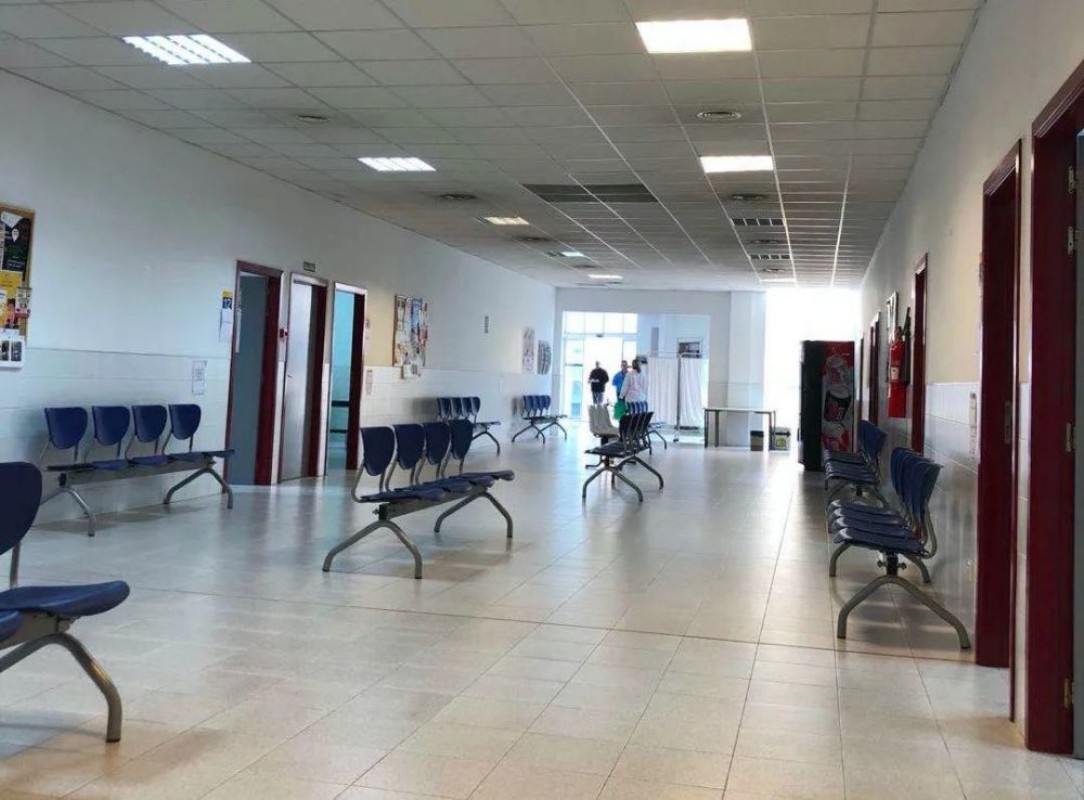
Occupational therapy, on the other hand, focuses more on fine motor skills and daily living activities. This includes teaching a child how to use a spoon, get dressed, and play with toys that require hand-eye coordination. The therapist creates a very detailed plan tailored to each child’s specific needs. Our therapist also gave us many suggestions for home exercises so we could continue to reinforce the progress at home, which was extremely helpful.
Here is a simple comparison chart for your reference:
| Therapy Type | Focus Area | Common Activities |
|---|
| Physical Therapy | Gross motor skills, muscle strength, balance | Gait correction, stretching, core strength exercises |
| Occupational Therapy | Fine motor skills, self-care, sensory integration | Grasping exercises, dressing practice, sensory integration games |
| Speech Therapy | Language and communication skills | Articulation practice, comprehension and expression training |
A Few Tips
Finally, here are a few points I found particularly important:
- Be proactive and ask questions. Whether it’s your pediatrician or the therapist, voice all your doubts and concerns. They are usually very willing to answer and provide additional resources.
- Home practice is crucial. Therapy sessions at the hospital might only be once or twice a week; the rest of the time is spent at home. Consistently doing the “homework” will make the results much more effective.
- Make use of community resources. Besides hospitals, some non-governmental organizations or specialized child development centers also offer rehabilitation services or support groups. It’s worth looking into these options, which may also provide information on services like Children’s Health Check-ups. I hope everyone’s little ones grow up healthy and happy!
