I just got out of the isolation ward at the hospital, and while the memory is still fresh, I wanted to come to the forum and share this unique experience with everyone. I hope my story can be a small reference for anyone who might need it, and it’s also a way for me to document it for myself.
Admission and Isolation Arrangements
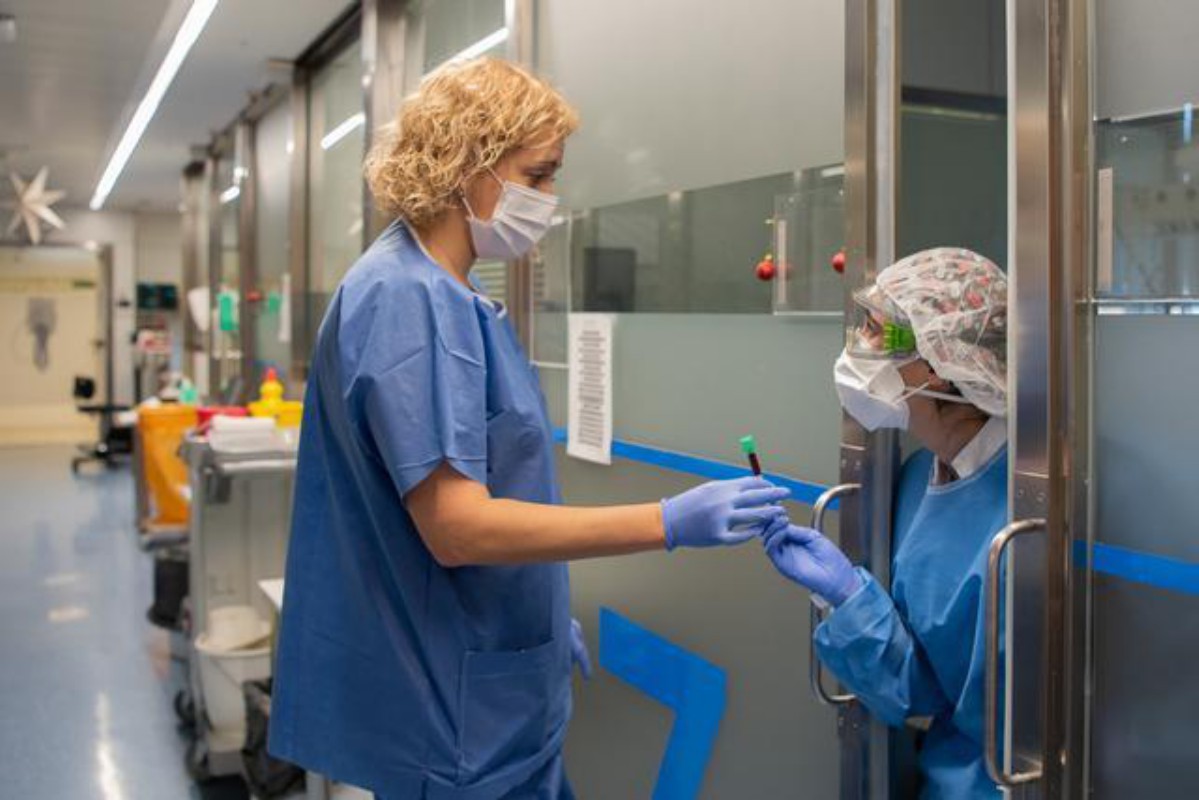
This time, it was due to a sudden respiratory infection and a persistent high fever. My family doctor (GP) advised me to go directly to the emergency department of a public hospital. At the ER, after a series of tests, the doctors determined there was a risk of contagion and that I needed to be hospitalized for observation in isolation. Although it was all a bit sudden, the hospital’s procedures were very clear. A nurse quickly took me to a dedicated isolation area, and I could see their professional protective measures along the way, which immediately put me at ease.
The isolation room was a single room; it wasn’t large, but it had everything necessary. There was an adjustable electric bed, a bedside table, a small rolling table for meals, and a private bathroom with a shower. Most importantly, the room had its own independent ventilation system. The nurse explained how to use the call button and the room’s facilities, and also specifically emphasized the waste sorting requirements—medical waste and general waste had to be separated. It felt like even though I was in isolation, my practical needs were well considered.
Medical Care and Daily Routine
During the isolation, what impressed me the most was the professionalism and patience of the medical staff. Doctors and nurses would do their rounds at fixed times every day, but before entering, they would put on full personal protective equipment (PPE), so they looked a bit like ‘spacemen’. They would ask in great detail about my condition, record all my vitals, and adjust my medication. Even through the face shields and masks, I could feel their concern in their eyes and tone of voice. One time, I was feeling a bit anxious about my condition, and a nurse took the time to chat with me for a while to comfort me. I have to say, the humanistic care in Spain’s public healthcare system is genuinely commendable. Three meals a day were delivered by a staff member through a small hatch in the door. As for the food, well, it was typical hospital fare—mostly bland, so don’t have high expectations for the taste, but it was nutritionally balanced.
Finally, let’s talk about the cost, which I’m sure many are curious about. I have a social security card here (tarjeta sanitaria), so everything from the emergency visit, tests, hospitalization, to the final medication was completely free. If you have private insurance, the process might be slightly different. It’s advisable to check with your insurance company beforehand about coverage and reimbursement procedures. Below, I’ve put together a simple comparison of the potential differences between public and private hospital isolation:
| Item | Public Hospital | Private Hospital |
|---|
| Cost | Usually free | Depends on insurance plan, may have a copay |
| Room | Single or double isolation room, cannot be chosen | Usually guarantees a single room |
| Waiting Time | ER waiting times can be long | Appointments and admission are generally faster |
| Service | Professional, but non-medical services are basic | May offer more personalized services |
This isolation experience in a Spanish hospital, while unexpected, was very systematic and reassuring, and it’s a good example of Spanish hospital service. If you live in Spain, having your social security card sorted is really important. I hope everyone stays healthy and never needs to use this guide!
