Having recently moved to Spain, I was still figuring out the healthcare system. I’d always heard that public healthcare in Spain is free but comes with long waits, while private care is fast but expensive. Unfortunately, I recently had to find out for myself due to an allergy issue, which led me to experience both public and private hospitals. So, I thought I’d share my insights on the age-old question: ‘How long do you really have to wait at a Spanish hospital?’
Public Hospitals: A Test of Patience
My journey started at the local community health center (centro de salud). Since it wasn’t a life-threatening emergency, I first went to see my family doctor (médico de cabecera). Using the health center’s app, the earliest appointment I could get was a week later. The consultation with the family doctor lasted about 10 minutes, and she decided I needed to see a specialist, so she gave me a referral. And then… the long wait began. The specialist appointment letter arrived in the mail about a month later, for a date that was another two months away. From seeing the family doctor to finally meeting the specialist, it took exactly three months. A friend told me this was actually considered fast; he once waited almost half a year for an orthopedic appointment…
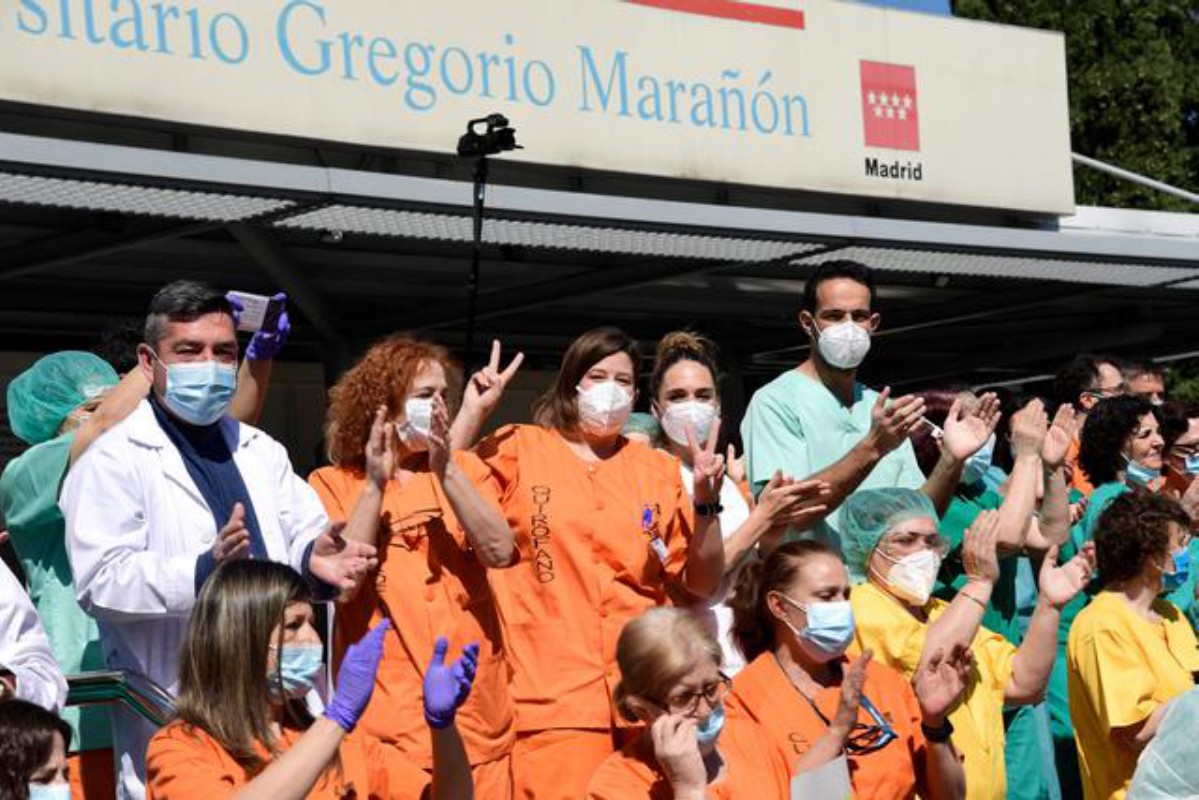
As for the emergency room (urgencias) at a public hospital, that’s a real game of chance. I went with a friend once who had sprained his ankle playing football. Upon arrival, you’re triaged at the front desk, where a nurse assesses your condition and gives you a colored wristband. Red and orange mean urgent and you’re seen immediately; yellow, green, and blue mean you’re in for a long wait. We got a green wristband and ended up waiting from 8 PM until almost 1 AM just to see a doctor and get an X-ray. The waiting area was packed, with crying children and moaning elderly people—it felt like a war zone.
Private Hospitals: Where Efficiency Comes at a Price
Eventually, I couldn’t stand the inefficiency of the public system anymore, so I decided to use my private insurance and go to a private hospital. The difference was night and day. I found a dermatologist directly through my insurance company’s app and got an appointment three days later. There was no queue; I went straight into the consultation room at my scheduled time. The doctor’s consultation was very detailed and lasted almost half an hour, with all the necessary tests done on the same day, a far cry from the typical Spanish hospital wait times. Of course, all of this was possible thanks to my insurance—or my wallet.
I also asked about the emergency services at private hospitals. A friend told me he took his child there for a fever late at night, and they were in and out—seen by a doctor and given a prescription—in less than an hour. The efficiency is truly impressive, but it comes with the condition that your insurance covers that hospital, or you’re prepared to pay a bill of several hundred euros.
A Summary of the Main Differences Between Public and Private
To make the comparison clearer, I’ve put together a simple table:
| Aspect | Public Hospital | Private Hospital |
|---|
| Appointment Speed | Slow, specialist appointments often take months | Fast, specialist appointments usually within days or a couple of weeks |
| ER Wait Time | Very long, triaged by severity | Very fast, usually under an hour |
| Cost | Mostly free | Expensive |
| Service Experience | Average, doctors and nurses are very busy | Good, comfortable environment, attentive service |
If you have money to burn prioritize efficiency and a better experience, or if you have good private health insurance, a private hospital is definitely the way to go. However, for non-urgent chronic conditions, routine check-ups, or if you suddenly find yourself unemployed and without insurance, the public healthcare system, despite its slowness, is always there as a fundamental safety net. What have your experiences with the Spanish healthcare system been like? Feel free to share your stories and frustrations in the comments below!
