For those new to Spain, do you ever get confused by the different names for medical facilities? Hospital, Clínica, Centro de Salud… they might sound similar, but they serve very different purposes. Today, I’m here to break it down for you and share a list of well-known hospitals in major regions to help you out.
First, let’s clarify the differences between these terms. In simple terms:
- Centro de Salud: This is your basic community health center. After registering for your health card (tarjeta sanitaria), your assigned family doctor (médico de cabecera) will be here. For common ailments like colds and fevers, getting prescriptions, or obtaining a referral to a specialist, this is your first stop.
- Hospital: This is what we typically think of as a large, comprehensive hospital. It has an emergency room (Urgencias), various specialized departments, and facilities for surgery and inpatient care. You usually need a referral from your family doctor at the Centro de Salud to see a specialist, but you can go directly to the emergency room for urgent care.
- Clínica: This term is broader. Many private hospitals use this name, such as the renowned Clínica Universidad de Navarra. However, many smaller private practices, like dental or physical therapy clinics, are also called ‘clínicas’. So, when you see ‘Clínica’, it’s most likely private, but its size can vary.
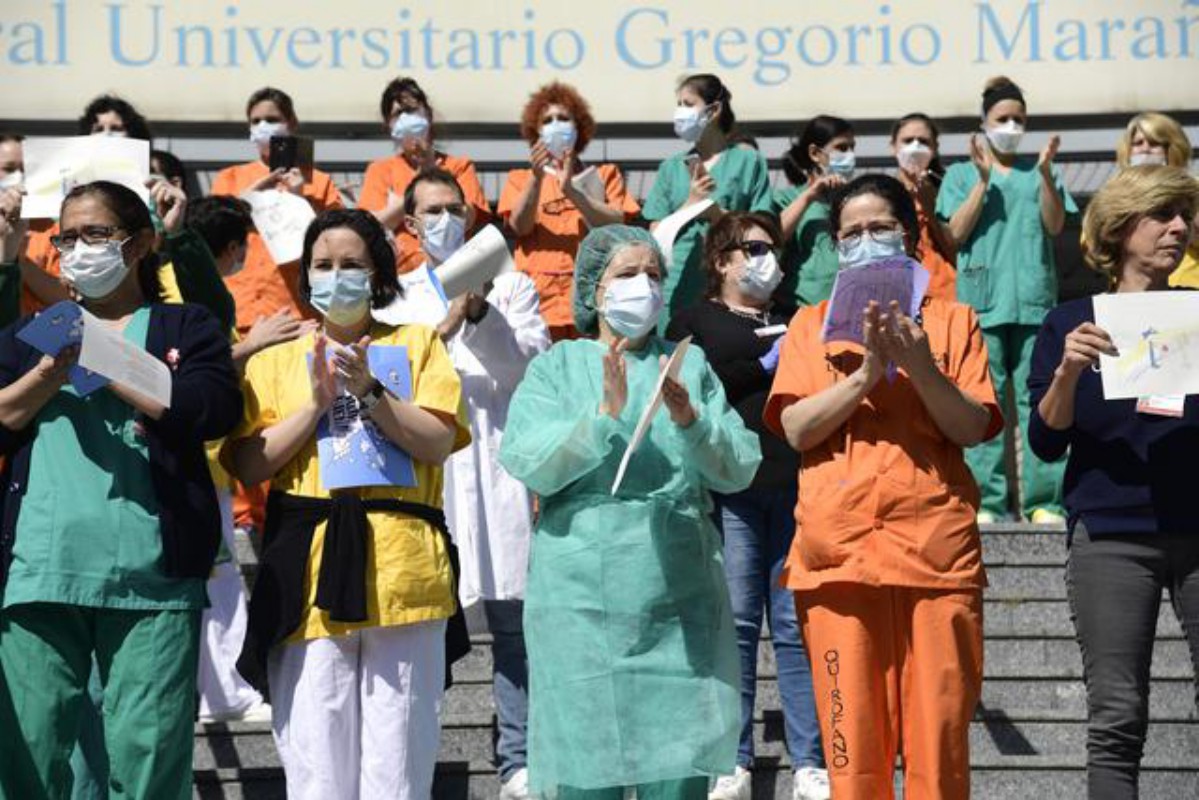
Examples of Public Hospitals in Major Cities
Public hospitals are the backbone of Spain’s national healthcare system. With social security coverage, medical care is mostly free. Each autonomous community has its own health service, such as SERMAS in Madrid and CatSalut in Catalonia. Here are some of the most well-known public hospitals you might encounter:
| City | Hospital Name |
|---|
| Madrid | Hospital Universitario La Paz |
| Hospital General Universitario Gregorio Marañón |
| Hospital Universitario 12 de Octubre |
| Hospital Clínico San Carlos |
| Barcelona | Hospital Clínic de Barcelona |
| Hospital Universitari Vall d’Hebron |
| Hospital de la Santa Creu i Sant Pau |
| Valencia | Hospital Universitari i Politècnic La Fe |
These are all top-tier public hospitals in their respective regions with very high medical standards. Of course, they are also very crowded, and wait times for specialist appointments can be quite long. If you need a Spanish hospital for a dire emergency, just go directly to their Urgencias.
About Private Hospitals
Private hospitals usually offer a better environment, more personalized service, and most importantly, virtually no waiting times! Of course, this is provided you have private health insurance. Spain has many excellent insurance companies, such as Sanitas, Adeslas, Asisa, DKV, etc. Before seeking treatment, it’s best to check your insurer’s app or website to confirm if the hospital or doctor you want to see is within their network.
Some famous private hospital groups include Quirónsalud, HM Hospitales, and Vithas. Their hospitals are located in major cities across Spain. For example, the Hospital Universitario Quirónsalud Madrid in Madrid and the Centro Médico Teknon in Barcelona are private hospitals with excellent reputations. Personally, I feel that if your budget allows, getting private insurance is well worth it, especially for families with children, as it makes pediatric visits much more convenient.
I hope this brief guide is helpful to everyone! If you’ve been to other great hospitals or have any healthcare experiences to share, feel free to leave a comment and discuss below. Sharing information makes life easier! 😊
