I’ve been in Spain for a few years, and for minor health issues, I’ve always just gone to the local clinic (centro de salud). I had never been to a major hospital until recently. Due to a skin problem, my family doctor gave me a referral to see a specialist at a public hospital. I finally got to experience the entire process at a large public hospital in Spain—it felt like unlocking a new level! Today, I’m sharing the full journey to serve as a reference for anyone who might need it.
Appointments and Waiting: A Test of Patience
After getting the referral from my family doctor, I mistakenly thought I could go directly to the hospital. The first step is to take the referral to the Cita Previa (appointment) desk at your assigned hospital, or book an appointment with the specialist via phone or an app. I chose to book in person. The staff entered my information and told me the appointment was requested, but I’d have to wait for a text message with the specific date and time. Then came the long wait… I waited for nearly two months before I received a text message notifying me of an appointment for a month later. All in all, it took about three months. I have to say, you really need to be mentally prepared for this kind of efficiency.
The Day of the Appointment: A Clear Process but Overwhelmingly Crowded
When the day finally came, I arrived at the hospital half an hour early. Public hospitals in Spain are huge and incredibly crowded, almost like a major train station during peak travel season. The hospital I went to had fairly clear signage, and using the information from the text message, I quickly found the floor and area for the dermatology department. At the entrance to the clinic area, there was a machine where you insert your health card (tarjeta sanitaria). It then prints a small ticket with a number, your name, and the waiting room number.
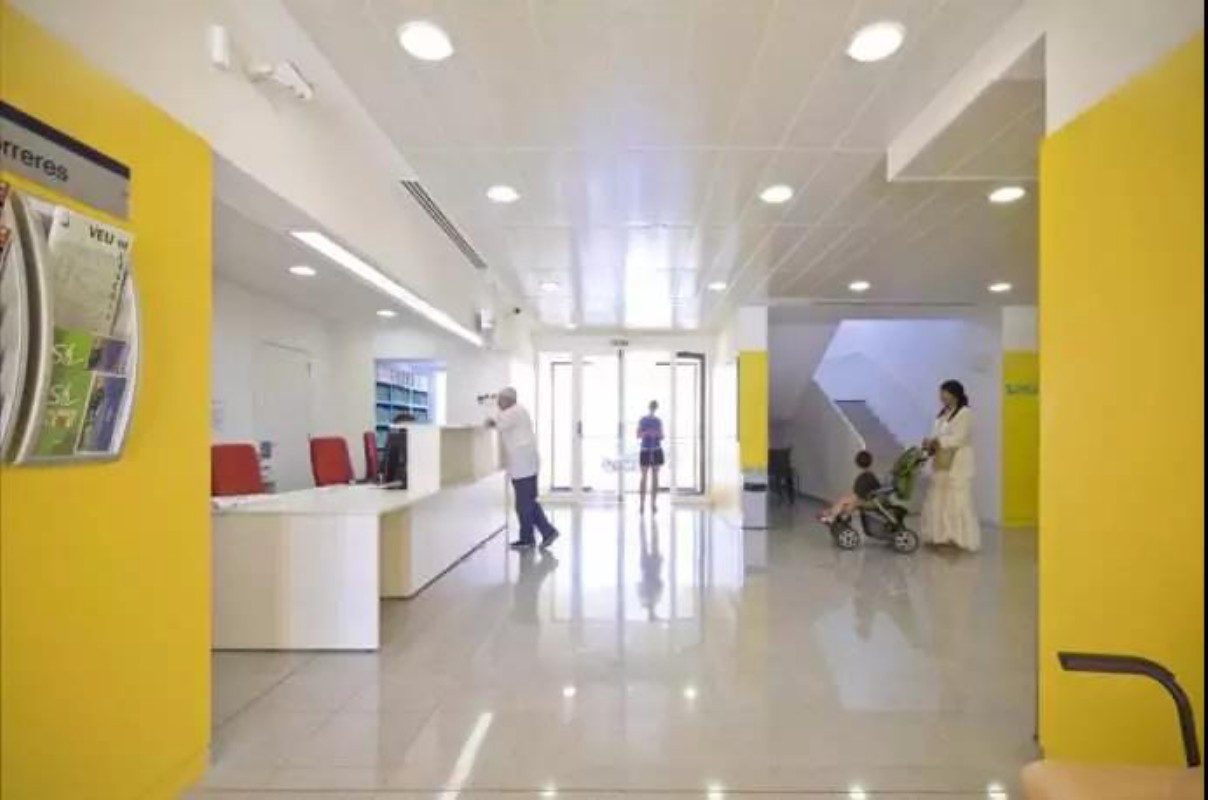
Next, you wait in the waiting area for your number to be called on the electronic screens. The screens display the numbers and their corresponding consultation rooms, making it easy to follow. Although it was crowded, everything was orderly, with people quietly sitting, scrolling through their phones, or reading. I only waited about 20 minutes, which was much faster than I expected. The doctor was a kind, middle-aged woman who was very patient. She asked me a lot of questions and performed a thorough examination. The entire consultation lasted about 15 minutes and felt very detailed. She prescribed some creams, explained how to use them, and asked me to come back for a follow-up in three months.
Practical Tips and Summary
Overall, my experience had its pros and cons. The fact that Spanish public healthcare is free and thorough are major advantages, but the long waiting times are a significant drawback. Unless it’s an emergency, patience is a must. Here are a few key takeaways:
| Topic | Advice and Explanation |
|---|
| Language Barrier | Not all doctors and nurses in large hospitals speak English. It’s best to know some basic Spanish or bring a Spanish-speaking friend. |
| Booking Methods | It’s recommended to use the official app or website for appointments. It’s more convenient than calling and allows you to check your status at any time. |
| Required Documents | Always bring your health card and ID. |
| Emergencies (Urgencias) | If it’s an emergency, you can go directly to the hospital’s emergency department (Urgencias) without an appointment. |
If seeking medical care in Spain is urgent but not a life-threatening emergency, and you have private health insurance, going to a private hospital is much faster. You can usually see a specialist within one or two weeks. You can choose the best option based on your situation and needs. I hope my experience helps!
