Maybe it was the change of seasons or peak flu season, but my body finally gave out. I came down with a fever and severe dehydration, and my family ended up dragging me to the emergency room of a public hospital. Back in China, getting an IV drip for an illness feels like a completely normal procedure. But after living in Spain for so long, this was my first time experiencing the famous “suero” (IV drip). Today, I want to share my real experience of getting an IV in a Spanish hospital, and I must say, it’s quite different from what I was used to.
Arriving at the ER: The Triage Hurdle
Upon arriving at the ER, the first step isn’t seeing a doctor directly. Instead, you go to a small window called “Triaje” (Triage). A nurse assesses the urgency of your symptoms and categorizes you. For instance, heart attacks or severe trauma are, of course, top priority. Since I had a fever and symptoms of dehydration, I was classified as a second-tier priority. Then came the long wait in the waiting area for my number to be called. This part is very similar to ERs in China; when it gets crowded, the wait can be really long. I’d recommend seeing your GP (General Practitioner) first unless it’s a true emergency.
Consultation and Medication Philosophy
After waiting for nearly two hours, it was finally my turn. The doctor was very thorough, asking about my medical history, symptoms, and any allergies. When I mentioned the possibility of getting an IV drip to recover faster, the young doctor’s expression turned a bit serious. He explained that in Spain, getting an IV drip is considered a significant medical intervention. It’s only used when a patient cannot properly rehydrate and restore electrolytes orally, or when specific medication needs to be administered intravenously. They believe oral rehydration and medication are the first choice because they are safer and avoid the unnecessary risk of infection. This is a stark contrast to the common mentality in China of “just get a drip for a cold or fever.”
The IV Drip Process
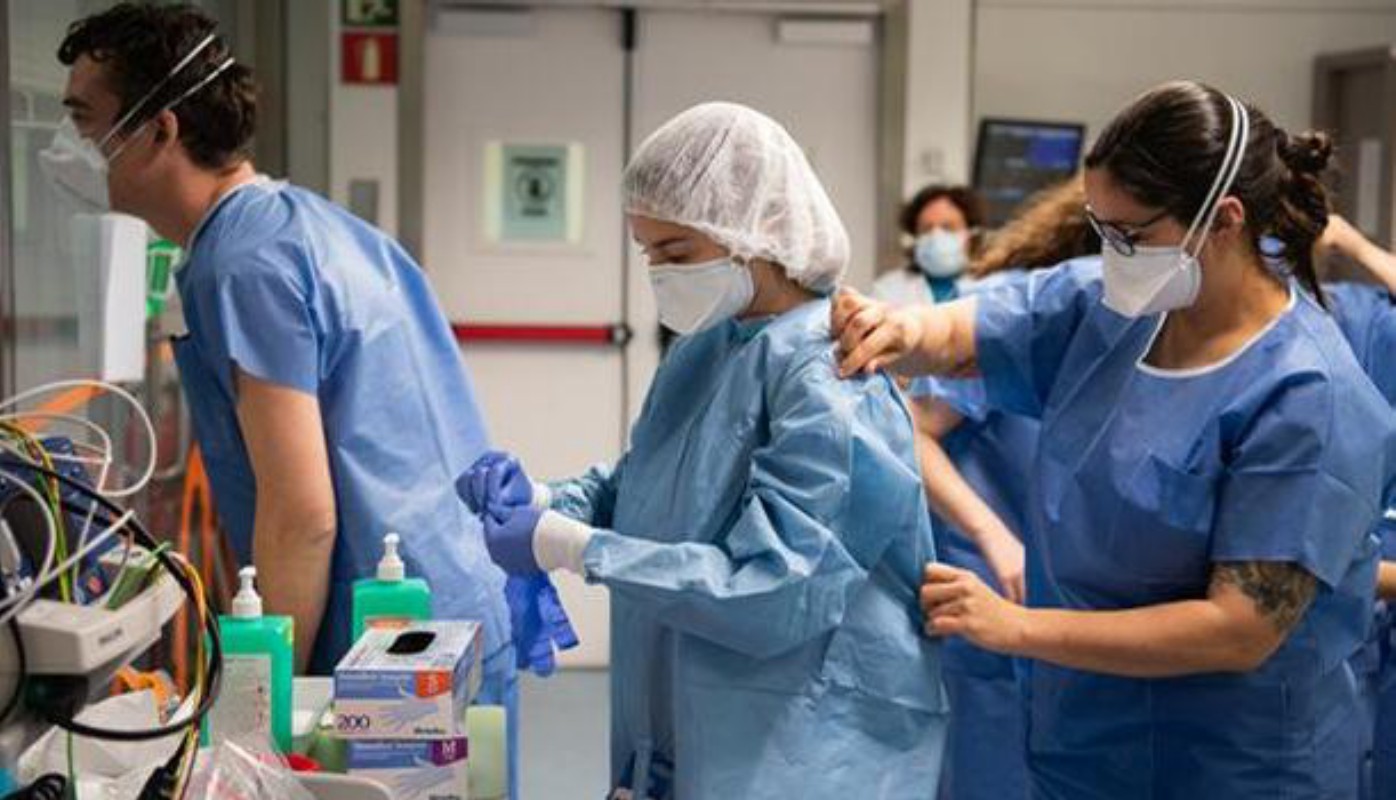
After a series of tests confirmed that I was indeed significantly dehydrated, the doctor finally prescribed an IV drip. I was then taken to a dedicated treatment room. The nurse was very skilled and found the vein on the first try with minimal pain. However, the IV bag here is different from the common glass bottles or hard plastic bags used in China; it’s a soft bag. Also, the drip rate is manually adjusted by the nurse, unlike in many Chinese hospitals where it’s controlled by an electronic pump. One 500ml bag of saline solution with electrolytes took about an hour to finish. The whole process was very quiet, without the noisy atmosphere of the communal IV lounges common in China, which made for a pretty good experience.
Here’s a summary of the main differences I noticed from this experience, for your reference:
| Item | Spanish Hospitals | Common Practice in China |
|---|
| Attitude Towards Use | Relatively cautious, considered a last resort | Quite common, often used for colds, fevers, etc. |
| Procedure | Requires strict medical evaluation; used when oral methods fail | Often administered at the patient’s request or prescribed directly by the doctor |
| Environment | Usually in a private treatment room or ward, quiet | Often in large, noisy, communal infusion halls |
| Main Components | Mostly saline, electrolytes, or glucose | Diverse ingredients, often including antibiotics or TCM (Traditional Chinese Medicine) |
This experience of getting an IV drip in Spain gave me a profound insight into the differences in medical philosophy between the two countries. Spanish doctors are more inclined to let the body recover naturally, following a principle of minimal intervention. So, a word of advice about IV drips in Spain: if you just have a common cold and go to the hospital asking for an IV, you’ll most likely be turned down by the doctor. The best course of action is still to follow your doctor’s advice, drink plenty of water, and get proper rest. I’m curious if anyone else has had similar experiences. Feel free to share and discuss in the comments below!
