Shortly after arriving in Spain, I unfortunately came down with a cold, fever, and a terribly sore throat, so I rushed to the emergency room of a public hospital. After I described my symptoms, the doctor didn’t say much but first ordered a ‘Test de antígenos’. I was a bit confused at the time. What was this for? Was COVID making a comeback? It was only after getting the results and talking to the doctor that I understood. Today, I’m sharing what this very common ‘test kit’ in Spanish hospitals is all about.
What is a Test de antígenos?
Simply put, a ‘Test de antígenos’ is what we commonly call an ‘antigen test’. You’ve likely used one during the pandemic—it’s that kit where you swab your nose, apply the sample to a test card, and wait for the result. Its principle is to detect the presence of a specific virus’s ‘antigen’—the proteins on the virus’s surface. If an antigen is detected, it means you are likely infected with that virus.
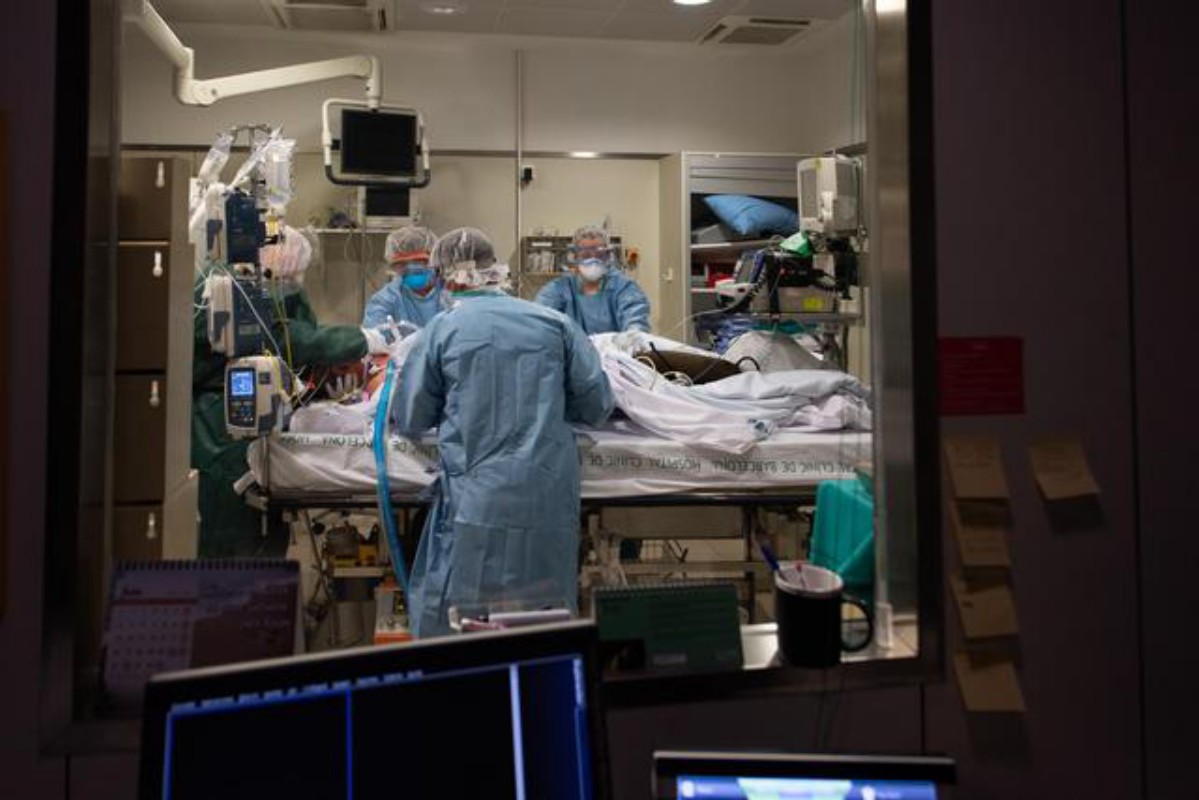
Although the threat of COVID-19 has significantly decreased in Spain, this rapid testing method has been retained. Doctors use it to quickly screen for viruses like influenza, COVID-19, and even respiratory syncytial virus (RSV). For patients with clear respiratory symptoms, it has become a nearly standard procedure in the emergency room. It helps doctors quickly determine the cause of illness and decide whether to prescribe antiviral medication or just symptomatic treatment.
How does it differ from a PCR test?
Many people might confuse antigen tests with PCR tests. Although both are used to detect viruses, their principles and applications are quite different. I’ve created a simple table to help you understand:
| Feature | Test de antígenos | Test de PCR |
|---|
| Detection Target | Viral proteins | Viral genetic fragments |
| Speed | Fast, results typically in 15-20 minutes | Slow, requires several hours to a day |
| Accuracy | Relatively lower, may not detect low viral loads | Very high, considered the “gold standard” for diagnosis |
| Use Case | Rapid initial screening, especially for emergency rooms | Precise diagnosis, confirming infection |
An antigen test is like a ‘scout’: it’s fast and can quickly spot the ‘main enemy force,’ but it might miss some ‘stragglers.’ In contrast, a PCR test is like ‘forensic analysis’: it’s slower but can uncover even the faintest clues, making it extremely precise. Therefore, doctors usually use an antigen test for an initial assessment. If the result is negative but the symptoms are very typical, or if a highly accurate diagnosis is required, they will then consider ordering a PCR.
So, when it comes to tests in Spanish hospitals, don’t be alarmed if a doctor asks you to take a ‘Test de antígenos’. It’s just a very routine rapid screening tool, mainly to distinguish between a common cold and a viral infection like influenza, allowing for proper treatment. In my case, I tested positive for Influenza A, and the doctor immediately prescribed the right medication. I felt much better after a couple of days. I hope this little piece of information is helpful to everyone!
