Moving to Spain can be daunting, and the biggest fear is often getting sick. The language barrier and unfamiliar procedures can make a doctor’s referral for a bunch of tests feel overwhelming. I’ve been there, so I wanted to share a list of common medical examinations in Spanish hospitals to help anyone who might need it.
Basic Tests: Blood and Urine
This is one of the most common tests prescribed by a family doctor (médico de cabecera). In Spanish, it’s called Análisis de Sangre y Orina. Generally, if you’re feeling unwell for any reason—like persistent fatigue, a suspected infection, or if you just want an annual check-up—this is the first thing a doctor will order. It checks your complete blood count, liver and kidney function, glucose and lipid levels, inflammatory markers, and more. You’ll usually need to fast before the blood draw, and the results will be ready in a few days for a follow-up appointment. It’s a fundamental but crucial first step to understanding your health.
Imaging Tests: A Clearer Picture
If the basic tests don’t provide a clear diagnosis, your doctor will likely order imaging tests. This is a broad category, with the most common ones being:
- Rayos-X (X-ray): Primarily used to examine bones, for things like suspected fractures, joint problems, or to check the lungs.
- Ecografía (Ultrasound): This is a radiation-free and very safe procedure, commonly used to examine soft tissue organs like those in the abdomen, as well as for gynecological and thyroid checks. It’s also essential for prenatal care during pregnancy.
- TAC/Scanner (CT Scan): Clearer than an X-ray, it provides cross-sectional images of the body. The scan is fast, making it common in emergency rooms to check for things like head bleeds or tumors in the chest and abdomen. The downside is the radiation exposure.
- Resonancia Magnética (MRI): This one’s the powerhouse
! It offers the most detailed images, especially for soft tissues like the brain, spine, and joint ligaments, and it’s radiation-free. The drawbacks are the long scan time, the loud noise from the machine, and the notoriously long waiting lists in the public healthcare system.
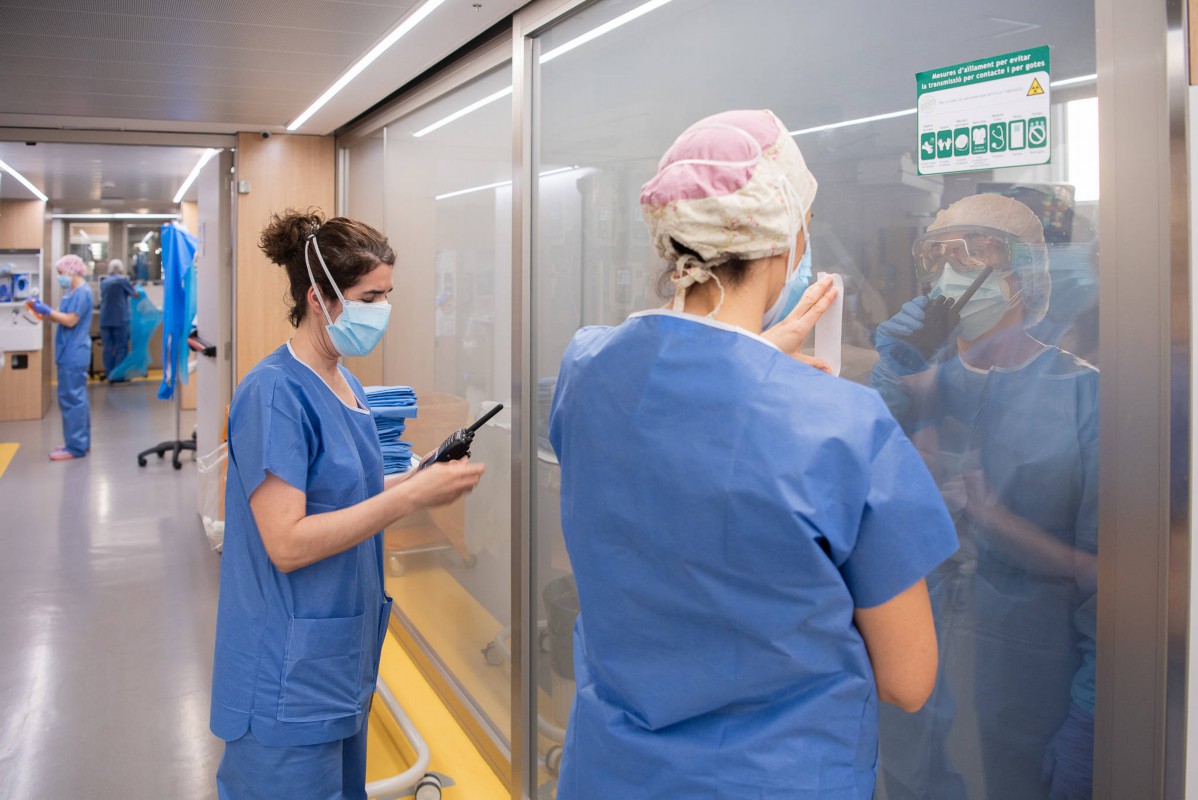
Here is a simple table comparing the differences between the public and private systems for these tests, to give you a clearer idea.
| Test | Public Hospital | Private Insurance |
|---|
| Routine Blood Test | Free, but requires a referral from a family doctor; short waiting time. | Usually covered by insurance; you can book directly with a lab, so it’s fast. |
| Ultrasound (Ecografía) |
| Free, with a waiting list typically from a few weeks to a couple of months. | Quick appointments, usually within a week, but a Spanish hospital test might require pre-authorization from the insurance company. |
| MRI (Resonancia Magnética) | Free, but has the longest waiting list; you could be waiting forever several months is normal. | Quick appointments, around one to two weeks, but it requires a prescription from a specialist and pre-authorization from the insurance company. |
Besides these, there are more specific specialist tests like electrocardiograms (ECG), endoscopies, and colonoscopies. Overall, the standard of medical care in Spain is quite high. The key is to understand the process. Before your appointment, it’s a good idea to prepare a description of your symptoms and questions, using a translation app if needed, to communicate effectively with the doctor. Hope everyone stays healthy and well in Spain!
