There have been a lot of posts on the forum recently discussing Spain’s healthcare benefits, which got me curious: what are the salary levels really like for those working in Spanish hospitals? After all, when we go for appointments, we interact with doctors and nurses who seem very professional, but their income is rarely a topic of conversation.
Just to be clear, I’m not an industry insider. I’m just a curious individual who has done some online research and asked a few friends working in the healthcare system. I’ve compiled this information as a reference, and I welcome anyone with more knowledge to add to or correct it! We’ll mainly focus on public hospitals, as they employ the vast majority of healthcare workers.
Salary Structure in Spanish Hospitals
First, it’s important to understand that a Spanish hospital employee’s salary isn’t a single fixed number. It’s a combination of several components, which typically include:
- Base Salary: This is determined by your professional group and position level, with a nationally unified minimum standard.
- Seniority Bonus (Trienios): In simple terms, this is a bonus for years of service. For every three years of employment, an additional amount is added to your base salary. The longer you work, the more you earn.
- Position-specific Supplement: This depends on the level and responsibility of your specific job. The higher the level, the larger the supplement.
- Specific Supplements: This part is more complex and takes into account the special characteristics of the job, such as risk, technical difficulty, shift work, holiday overtime, etc. This component is key to the variations in income.
- Performance-based Pay: This is awarded based on your work performance, achieving targets, etc., and is not a fixed amount.
Therefore, two nurses with the same title might have significantly different take-home pay depending on the autonomous community, department, and whether they work night shifts.
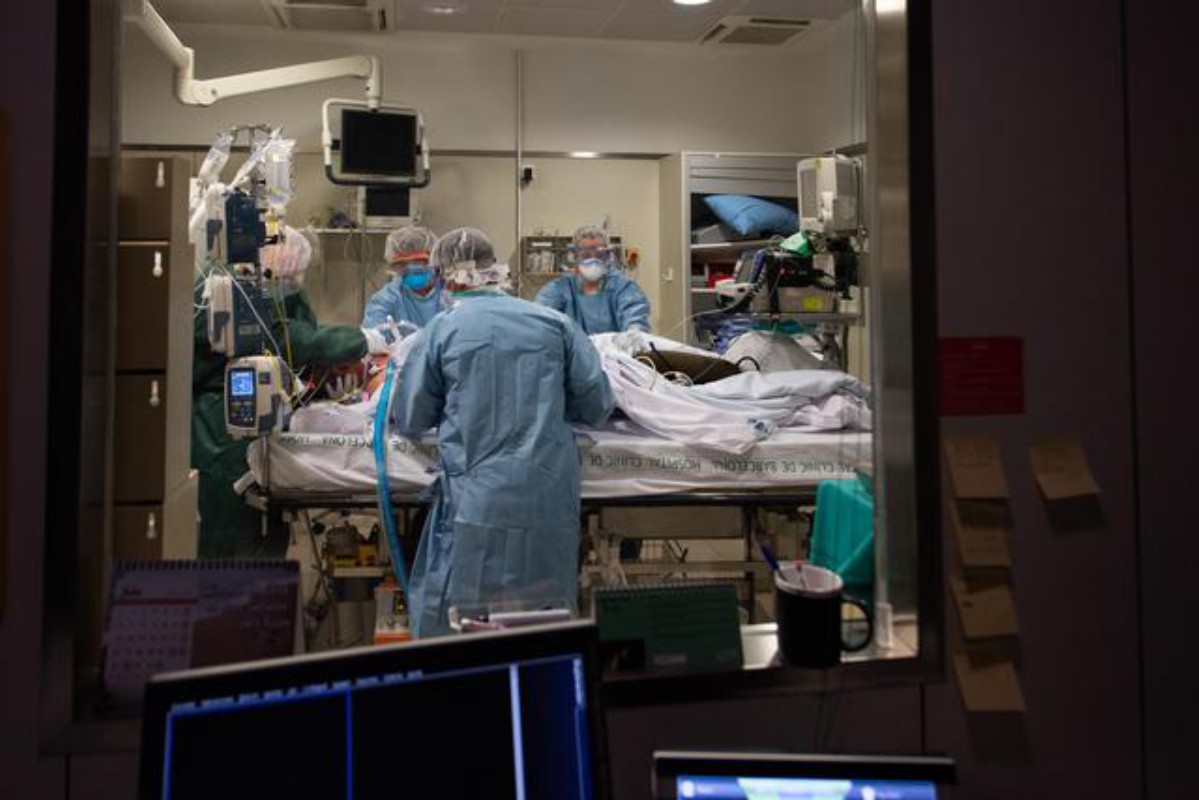
Approximate Annual Salary Ranges for Different Positions
I’ve compiled a table of approximate gross annual salaries. The data, including for roles like lab technician, is sourced from various job portals and news reports, so there may be discrepancies. Please use it as a general guide.
| Position | Average Gross Annual Salary | Notes |
|---|
| Specialist Doctor | 50,000€ - 75,000€+ | Greatly influenced by experience, autonomous community, and on-call duties (Guardias). |
| Resident Doctor | 28,000€ - 40,000€ | Increases with each year of residency. |
| Nurse | 28,000€ - 40,000€ | Night shifts and holiday overtime are significant income sources. |
| Nursing Assistant | 21,000€ - 26,000€ | Entry-level position with relatively stable income. |
| Administrative Staff | 20,000€ - 28,000€ | Responsible for medical records, appointments, and other clerical work. |
| Orderly / Healthcare Assistant | 19,000€ - 23,000€ | Basic service position. |
As the table shows, doctors have the highest earning potential, especially specialist doctors with many years of experience. If we also consider income from private practice, the figures can be even more substantial. However, they also work the hardest, with long training periods and constant on-call shifts. In contrast, the salaries for administrative and orderly positions are not as high, but the work pressure and professional requirements are also lower. Overall, salaries in the Spanish healthcare sector are in the upper-middle range for the country, making it a respectable and stable career. However, when it comes to getting rich, apart from top-tier experts, most are just regular working people.
So, that’s the information I’ve gathered. It’s purely for sharing, and I welcome everyone to join the discussion! Are there any forum members who work in a hospital or have family members who do? It would be great if you could share some more firsthand insights.
