For those new to Spain, have you ever felt a bit unwell but had no idea where to see a doctor? Unlike in some countries where you can go directly to a large hospital to register, here the first person you need to see is your “family doctor,” known as the Médico de cabecera or Médico de familia. This is essentially your first and most important point of contact within the Spanish public healthcare system, much like general practitioners in Spain.
This family doctor isn’t a private physician but a general practitioner assigned to you by the national public healthcare system. They typically work at the community health center (Centro de Salud) near your home. Whether it’s for minor issues like a cold or fever, getting a prescription for regular medication, undergoing a basic check-up, or even needing a referral to a specialist, you must go through them first. In a way, they are the “gatekeeper” to your health services.
How to Get Your Own Family Doctor?
It’s actually quite simple. As long as you have a social security number and proof of address (empadronamiento), just take these documents along with your residence card to the front desk of the Centro de Salud corresponding to your address. Tell the staff you want to register with a family doctor. They will enter your details into the system and issue you a health card (tarjeta sanitaria), which will have your doctor’s name and the health center’s information on it.
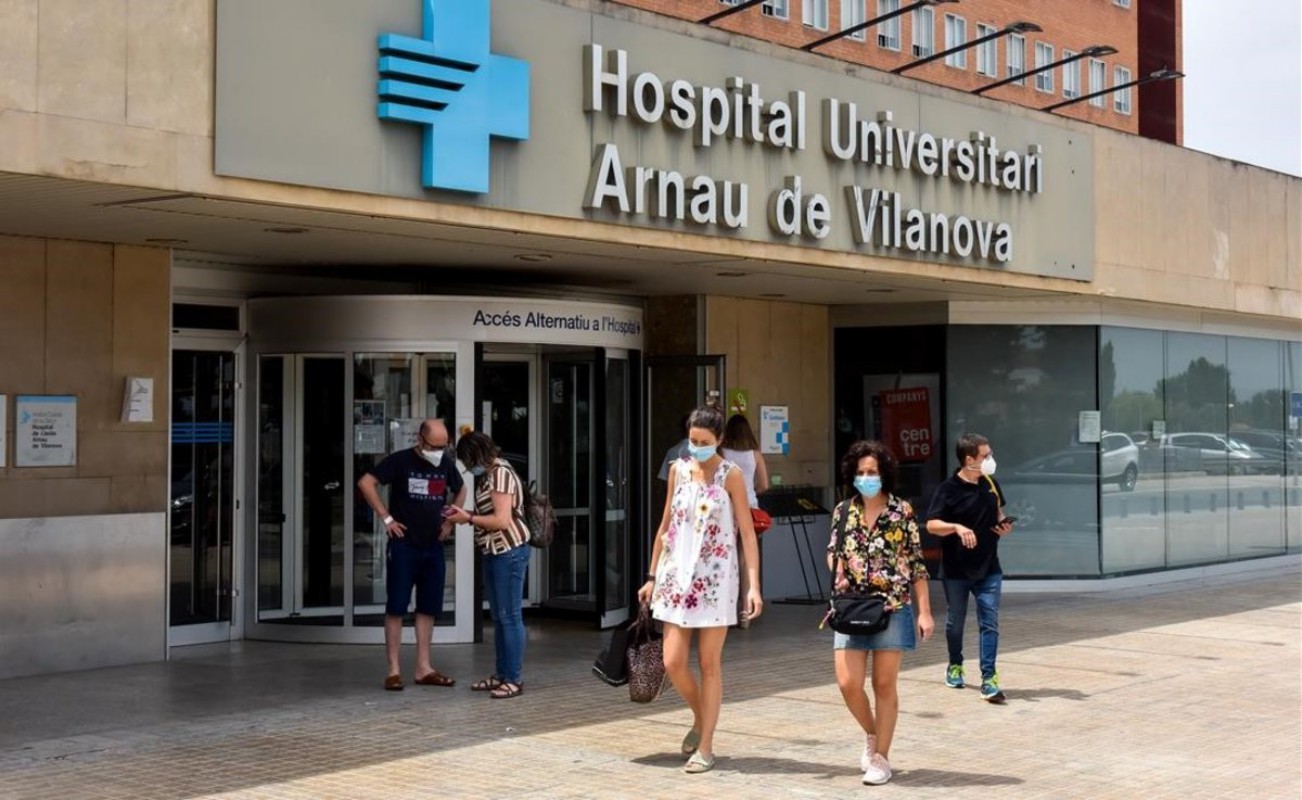
Once you have your doctor, how do you make an appointment? There are several convenient methods available now. The most traditional ways are to go to the health center’s front desk in person or to call them. However, I personally recommend using a mobile app or the official healthcare system website of your autonomous community. These allow you to choose your own appointment time, and it’s all very clear. Here’s a quick summary:
| Appointment Method | Pros | Cons |
|---|
| Phone call | Direct communication | Lines can be busy; requires some Spanish proficiency |
| Website/App | Convenient, fast, allows you to choose your time | Requires internet access and basic digital literacy |
| In-person | Good for elderly people unfamiliar with technology | You have to go there in person |
Finally, a few tips from experience: Be patient when seeking medical care, as waiting times in the public system can sometimes be long. Also, before your appointment, it’s a good idea to write down your symptoms and questions in simple Spanish to facilitate communication with the doctor. Overall, once you get used to the family doctor process, seeing a doctor in Spain is quite reassuring. I hope this post is helpful for newcomers! Feel free to share your own experiences in the comments below! ¡Salud para todos
!
