Having recently moved to Spain with my child, I was initially a bit confused about the pediatric health check-up process here. Back in our home country, everything was systematically handled by community health centers. Here, it feels more flexible, but it also means you need to be more proactive. After just completing my child’s annual check-up and having a long chat with our pediatrician, I’ve compiled a timeline and list of the public system’s [child health checks] from birth to age 14. I’m sharing this with fellow parents who might find it helpful to get a clearer picture.
Essentially, after your child is born, they will be assigned a specific pediatrician and nurse. All routine check-ups and vaccinations are carried out at your local health center (centro de salud). Unlike what we were used to, the focus here is much more on a holistic developmental assessment, not just cold, hard measurements. The doctor spends a significant amount of time talking with you, asking about your child’s feeding, sleep patterns, behavioral habits, and even the family environment. It feels very personal and humane.
Key Focus of Check-ups by Age Group
The focus of examinations varies with age, so I’ve outlined a general schedule below. Specific protocols might differ slightly between autonomous communities (regiones), but the core components are largely the same. Check-ups are most frequent for infants and gradually become annual as the child gets older.
Newborns to 2 Years
This is the period with the most frequent check-ups, primarily to monitor growth and development and to detect any congenital issues early on. When my little one was a baby, we were basically ‘reporting in’ every month or two. The doctor pays close attention to key metrics like height, weight, and head circumference, as well as testing for hearing, vision, and primitive reflexes.
| Age Range | Key Examinations |
|---|
| Birth - 15 days | First check-up after hospital discharge, jaundice, weight, hearing screening |
| 1-2 months | Growth curve assessment, heart and lung auscultation, hip development check |
| 4-6 months | Guidance on starting solid foods, vision tracking, assessment of major motor skills like rolling over |
| 9-12 months | Early language development, fine motor skills, crawling, and standing |
| 15-18 months | Gait (walking posture), vocabulary assessment, social interaction observation |
| 24 months | Language development, self-care skills, dental check-up |
3 Years to Adolescence
Once a child starts preschool, the check-up interval extends to once a year. During this stage, in addition to monitoring routine growth and development, the focus shifts more towards assessing the child’s psychological, social, and learning abilities. The doctor will ask questions about their performance in school and their friendships. Furthermore, vision tests become increasingly important as children start to have more exposure to books and digital screens.
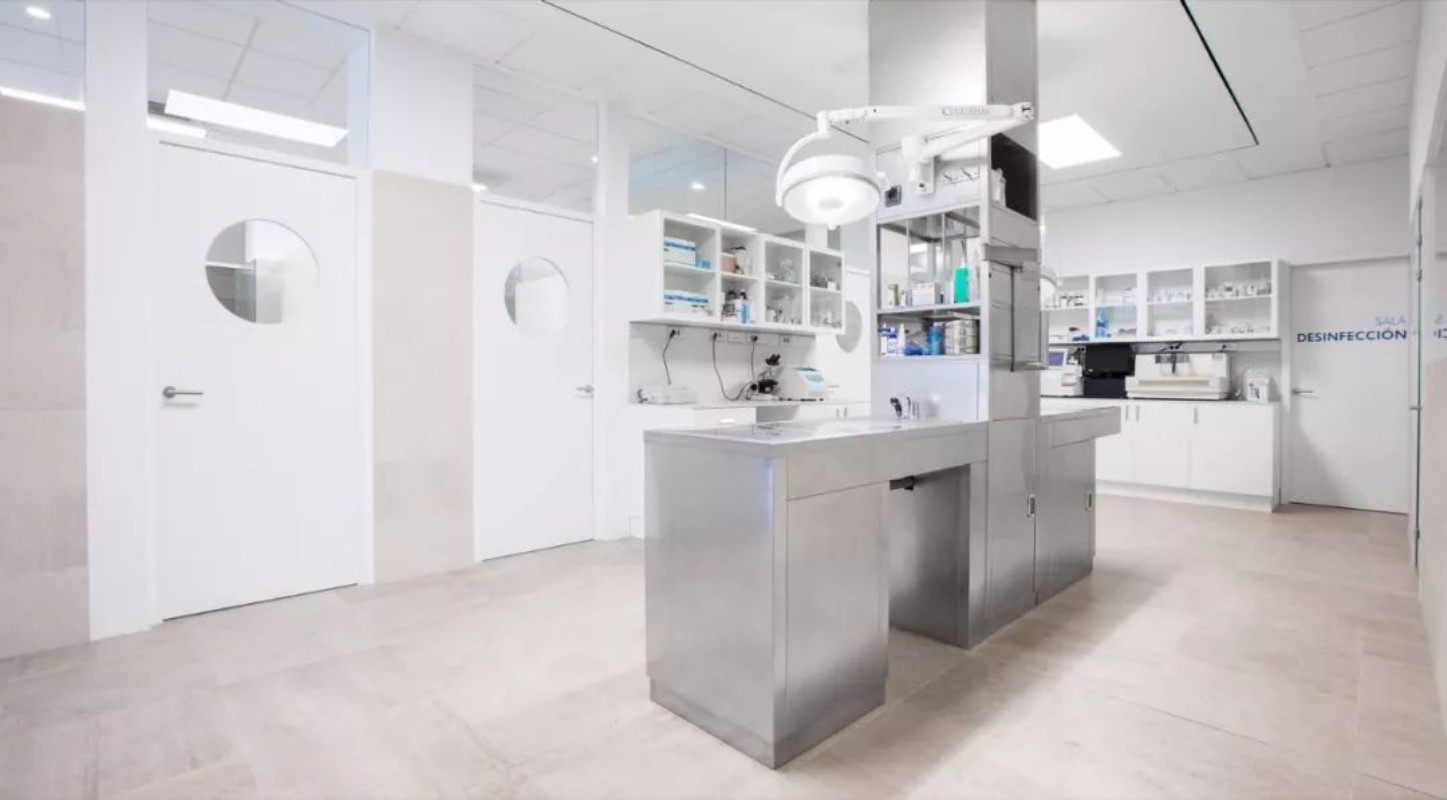
Spain’s pediatric healthcare system is quite comprehensive and user-friendly. The doctors and nurses are very patient and provide a lot of practical parenting advice. The only thing to complain about might be the appointment booking process; sometimes you have to wait for popular doctors… especially during flu season. I recommend booking in advance using a mobile app or by phone to schedule your visit. I hope this summary is helpful, and I welcome experienced parents to add their own tips or corrections!
