I wanted to share my recent experience with a natural miscarriage at a public hospital in Spain. It was an incredibly difficult time, and I found very little information about this online in my native language. So, I decided to write down my story to offer some guidance and comfort to others who might unfortunately go through the same thing. I want you to know you’re not alone and to give you a clearer picture of the medical process in Spain.
Emergency and a Trip to the ER
One evening during my early pregnancy, I suddenly experienced severe bleeding and abdominal pain, much worse than normal spotting. My intuition told me something was wrong. We immediately grabbed my health card and ID and went straight to the emergency room (ER) at our local public hospital.
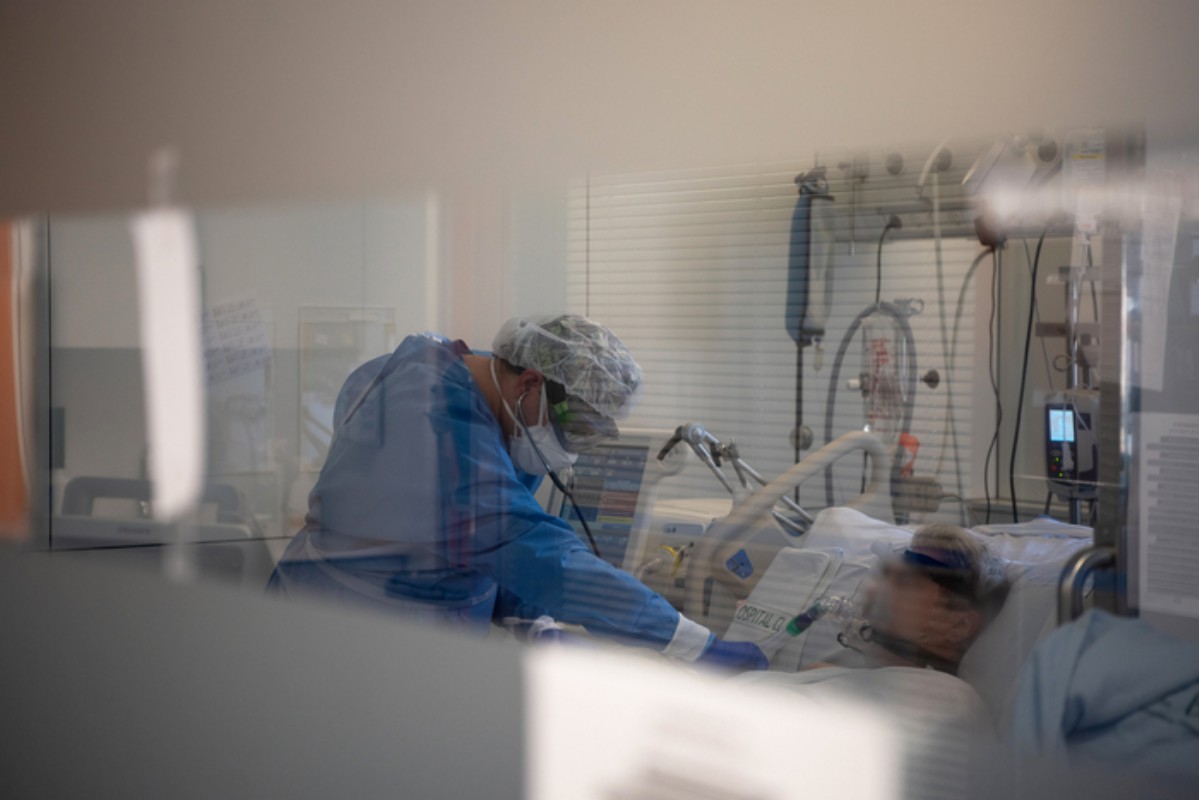
At the ER, I explained the situation to the nurse at the triage desk. Pregnant women are usually prioritized. The waiting time can vary, but it’s generally not too long. Once I saw the doctor, they performed an abdominal or transvaginal ultrasound to check the embryo’s status. The result confirmed that the embryo had stopped developing and I was having a natural miscarriage. I was devastated, but the doctors and nurses were very empathetic. They offered words of comfort and began to explain the next steps and treatment options.
Treatment Options: Medication or Surgery?
The doctor presented me with two options: a medical abortion (using medication) or a surgical procedure (D&C). They explained the pros and cons of each in detail, giving my family and me ample time to discuss and decide without any pressure.
| Treatment Method | Pros | Cons |
|---|
| Medical Abortion | Can be done at home, less psychological stress, avoids anesthesia and surgical risks. | May be incomplete, requiring a follow-up D&C; process can last several days with significant abdominal pain. |
| Surgical Procedure (D&C) | Quick, completed in one go, high success rate, painless under general anesthesia. | Requires hospitalization, involves anesthesia risks and a very low risk of surgical complications. |
Considering I wanted this to be over quickly and was worried that a medical abortion might be incomplete and require a second procedure—a concern partly informed by what I’d read about terminating a pregnancy in Spain—we ultimately chose the surgical D&C. The doctor respected my decision, immediately arranged for pre-operative tests including blood work and an ECG, and scheduled the surgery for the next day. The communication was clear throughout, and it felt very professional.
The Surgery and Post-Operative Recovery
On the day of the surgery, I went to the hospital at the scheduled time. After changing into a hospital gown, I was taken to the operating room. The anesthesiologist came to confirm my details and then administered the general anesthesia. The entire procedure took about 15-20 minutes; it was over after a short ‘nap,’ and I felt nothing at all. Afterwards, I was monitored in the recovery room for an hour or two. Once they confirmed there was no abnormal bleeding or discomfort, I was discharged and allowed to go home the same day.
Upon discharge, the doctor prescribed some painkillers and antibiotics and gave me a detailed post-operative instruction sheet. It listed precautions, such as avoiding baths, swimming, and sexual intercourse for one month, and monitoring the amount of bleeding. They also scheduled a follow-up appointment for about two weeks later. Although the whole experience was heartbreaking, the professional and compassionate care of the Spanish public healthcare system was a great comfort. I hope my story can help others in need, and I wish all women who are trying to conceive or are currently pregnant a smooth and healthy journey!
